




OUR BLOG —
Our BLOG —
Our BLOG
UI/UX DESIGN
Related Articles

UI/UX Design

Article title
Reading time:
10 min

UI/UX Design
Article title
Reading time:
10 min
UI/UX Design
Article title
Reading time:
10 min

Game UI UX design
services

Your game is great. But players are leaving before they find out.
Talk to a UX expert

See our work .

Research-first. Outcome-focused.
Built for gaming companies that need results.
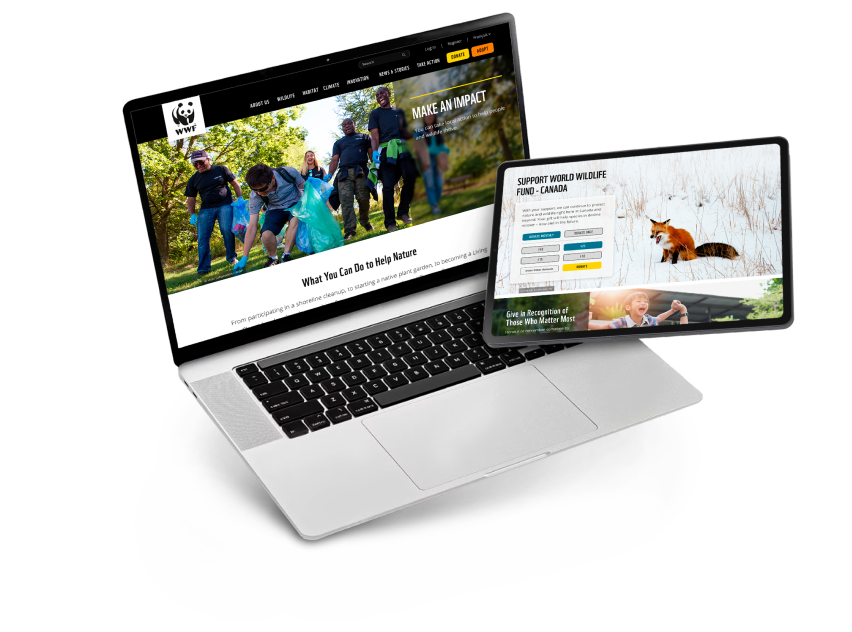
A decade designing interfaces for gaming platforms, esports products, and game development tools. Not with templates. With research, trust architecture, and conversion-focused design that turns skeptical visitors into loyal players.
Game UI UX Design Services Built on a
Decade of Measurable Outcomes
We have helped gaming platforms enter new markets, esports organizations build creator tools, and game development companies improve the activation metrics that determine whether their product survives. We do it by starting with research, not with Figma.
After hundreds of product engagements across gaming, SaaS, fintech, and enterprise, we have learned that what breaks a gaming product is almost never the game itself. It is the interface that surrounds it, the onboarding that overwhelms, the trust signals that are missing, the creative tool that buries its best features behind a wall of options no new user knows how to navigate.
Whether you are a skill-based gaming platform entering the US market, an esports organization building a product your community will judge harshly, or a game development SaaS losing trial users before they reach their first win, you deserve a design partner who measures success by your metrics, not their deliverable count.
What Game UI UX Design
Actually Requires
Most gaming products underperform not because the game is bad, but because the interface surrounding it was built to look impressive rather than to convert, activate, and retain players.
Effective game UI UX design has to serve multiple audiences simultaneously. On a real-money gaming platform, the casual player, the competitive user, and the bingo audience all arrive with different motivations and different thresholds for trust. An interface that treats all three the same converts none of them well. Strategic game UI UX design maps information hierarchy to player type, surfacing the right content and credibility signals for each audience at the moment they need them.
Trust signals determine whether players convert or leave. Before a user on a real-money gaming platform completes a registration or makes a deposit, they need to answer three questions: does this platform look legitimate? Have other players trusted it? Is my money safe here? Most gaming platforms answer these questions too late in the flow, if at all. Effective game UI UX design builds trust architecture into the structural foundation of the product, not as a badge in the footer, but as the organizing principle of every first-session interaction.
Onboarding is where most gaming products lose the players their acquisition budget worked hardest to reach. An onboarding flow that front-loads complexity, skips orientation, or fails to deliver a meaningful first win in the opening session creates churn that no re-engagement campaign can fully recover. The game development tool whose new users give up before their first build. The gaming platform whose new registrations never place a first bet. The creative tool whose free trial users never reach the feature that would have made them subscribe. These are all onboarding design problems with design solutions.

Our Game UI UX
design process
01
Discovery
& alignment
We audit your product against player experience benchmarks. Where are users dropping off? Where does the interface create confusion or distrust? Where is complexity being front-loaded instead of revealed progressively? We find it before we design anything.
02
research
& strategy
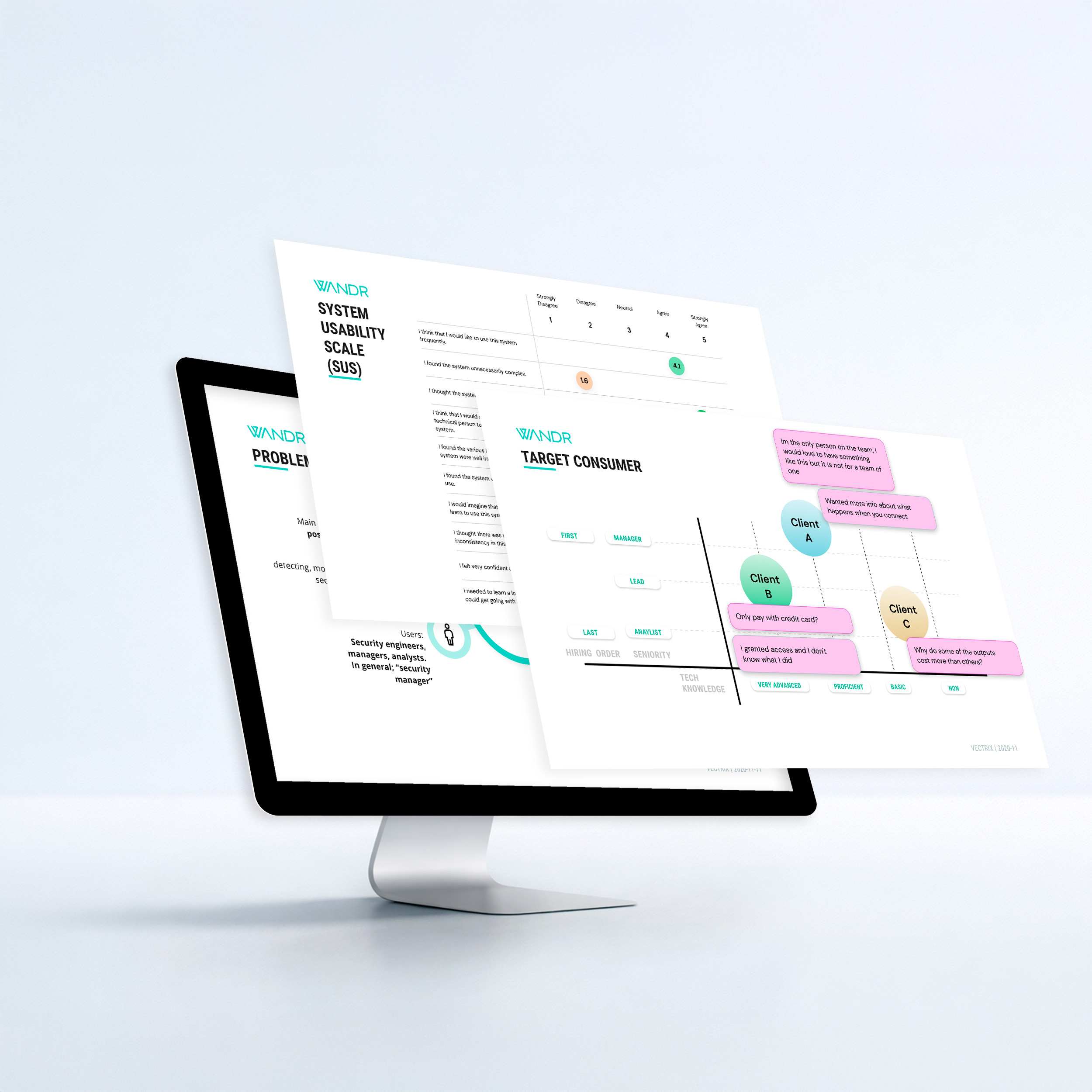
A clear, prioritized roadmap tied to your specific outcome metrics. Trust architecture, onboarding logic, audience segmentation, and information hierarchy before a single screen is designed.
03
Design &
Prototyping
Conversion-focused interfaces, clear interaction patterns, credibility signals, and a scalable design system. Everything a player or user touches is designed intentionally and validated with research.
04
Testing &
Validation
We validate designs with real users and stakeholders to uncover usability issues, test assumptions, and refine solutions before development begins.
05
Ongoing Iteration
& Optimization
Design doesn’t stop at launch. We continue working alongside your team to analyse behaviour, identify friction, and optimize the experience as your product evolves.

OUR UI/UX design
Services &
Deliverables
UX Research & Insights -
Research reports, user insights decks, opportunity maps.

UX Strategy & Road mapping -
Customer journey maps, user flows, UX strategy artifacts, product guidance frameworks.

Prototyping & Usability Testing -
Wireframes, information architecture, tested prototypes, usability reports, actionable insights.

UI Design & Design Systems -
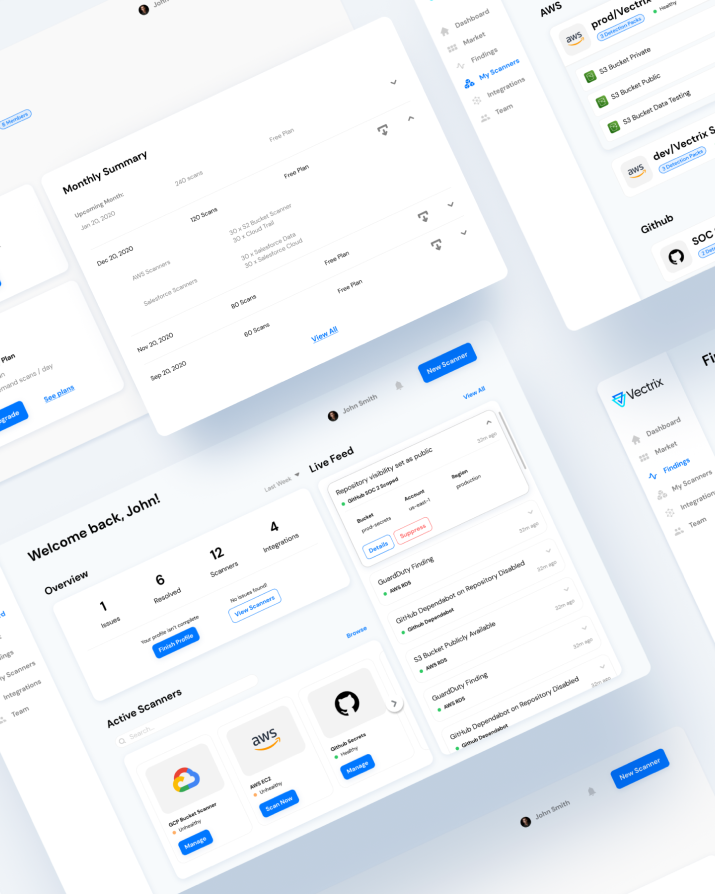
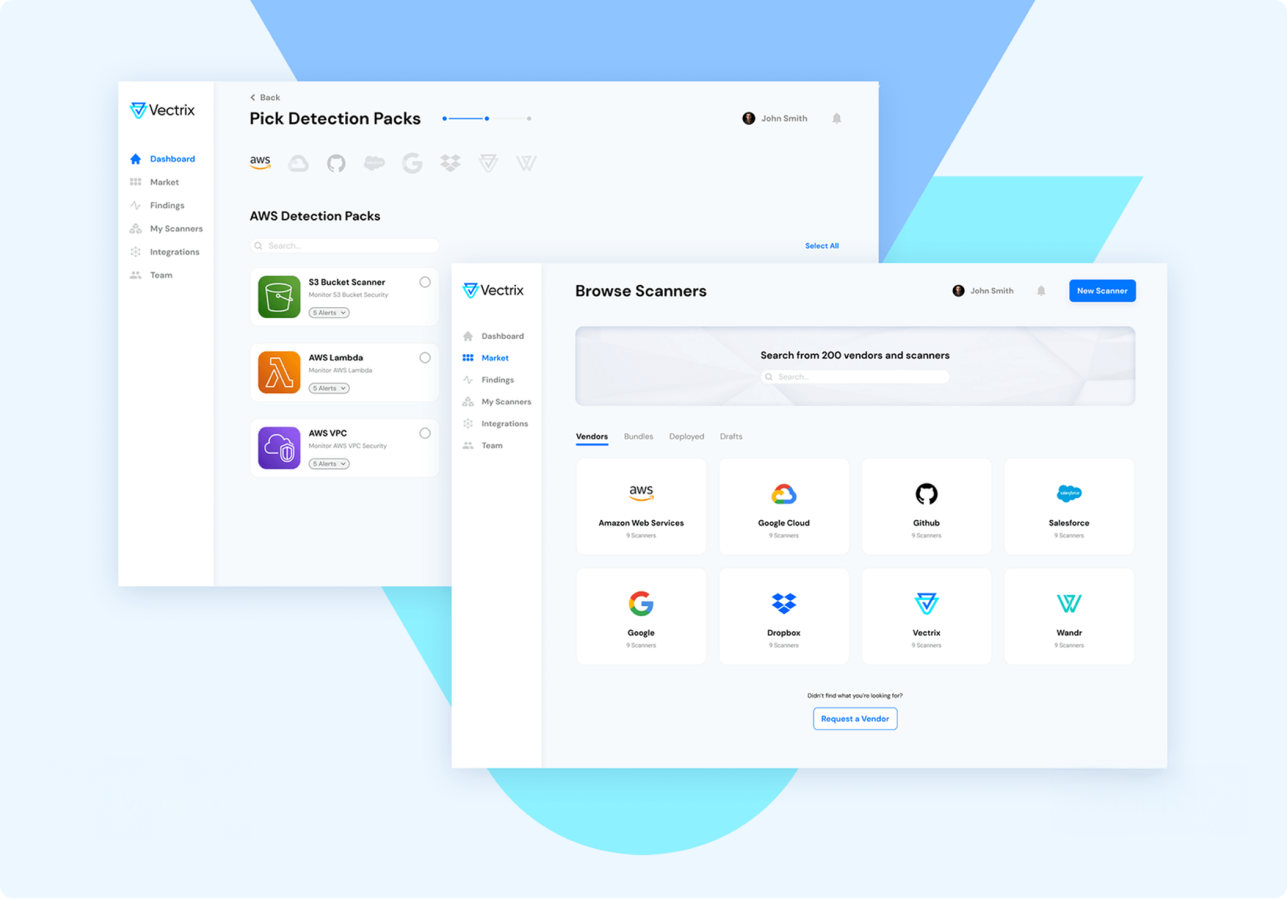
High-fidelity design screens, interactive prototypes, design libraries, comprehensive design system.

Post-Launch Support & Iteration -
Our UX team will continue to support you to optimize, and evolve the experience based on real user behavior and performance data.


CASE STUDY —
CASE STUDY
uX Design
featured case study

game ui ux DESIGN Services FAQs
MVP development services cover the end-to-end process of defining, designing, and validating a Minimum Viable Product before full-scale engineering begins. At WANDR, this includes market research, user interviews, feature prioritization, UX/UI design, high-fidelity prototyping, usability testing, and a product roadmap — all focused on validating the most critical assumptions with the least investment.
Most teams think MVP development means building a cheaper version faster. It doesn't. The real value is what it prevents — wasted engineering cycles, misaligned features, and the compounding cost of discovering you built the wrong thing six months into development. Done right, MVP development forces the hard questions early so your team builds the right thing with confidence, not the first thing with speed.
WANDR guarantees a validated, investor-ready MVP prototype within 8 weeks of kickoff — or we keep working at no additional cost until we deliver it. The only thing we ask: show up for the reviews. Timelines assume timely client feedback at each stage.
MVP development costs vary based on scope, complexity, and the depth of research and design required. WANDR scopes every engagement individually based on your product goals and constraints. What we can say: the cost of building the wrong product is almost always higher than the cost of proper MVP development upfront.
A product roadmap outlines priorities, sequencing, and direction — helping product and engineering teams align around a clear plan before and after MVP launch. Without a roadmap, MVP development often stalls after initial release because teams don't know what comes next. The roadmap ensures the MVP is the beginning of a product strategy, not a one-off deliverable.
MVP development focuses on the smallest set of features needed to validate assumptions and generate learning — not a complete, fully-featured product. The goal is to test whether the core value proposition works before committing the full engineering investment required for a production-ready product.

BOOK A CALL —
BOOK A CALL —
WORK WITH A UX DESIGN
AGENCY that scales with you
If you’re looking for a strategic UX/UI design partner — not just a vendor — let’s talk.
get in touch

OUR BLOG —
Our BLOG —
Our BLOG
UI/UX DESIGN
Related Articles
UI/UX Design
Article title
Reading time:
10 min
UI/UX Design
Article title
Reading time:
10 min
UI/UX Design
Article title
Reading time:
10 min