





OUR BLOG —
Our BLOG —
Our BLOG
Design Systems
Related Articles

Design Systems

Article title
Reading time:
10 min

Design Systems
Article title
Reading time:
10 min
Design Systems
Article title
Reading time:
10 min

Components Library &
Design Systems Services

Design systems that scale products, teams, and decisions.
Talk to a UX expert

See our work .

This isn’t about documentation for documentation’s sake.
It’s about building a system teams actually use.
As products grow, inconsistency becomes expensive. Interfaces drift, design debt piles up, and teams lose speed trying to reinvent patterns that already exist. Without a shared component library or design system, even strong teams struggle to maintain quality and momentum.
Wandr’s Component Library & Design Systems Services help product teams create a single, scalable source of truth for design and UI. We design systems that support consistency, speed, and collaboration across design, engineering, and product as your organization evolves.

What Is a Component
library and Design System?
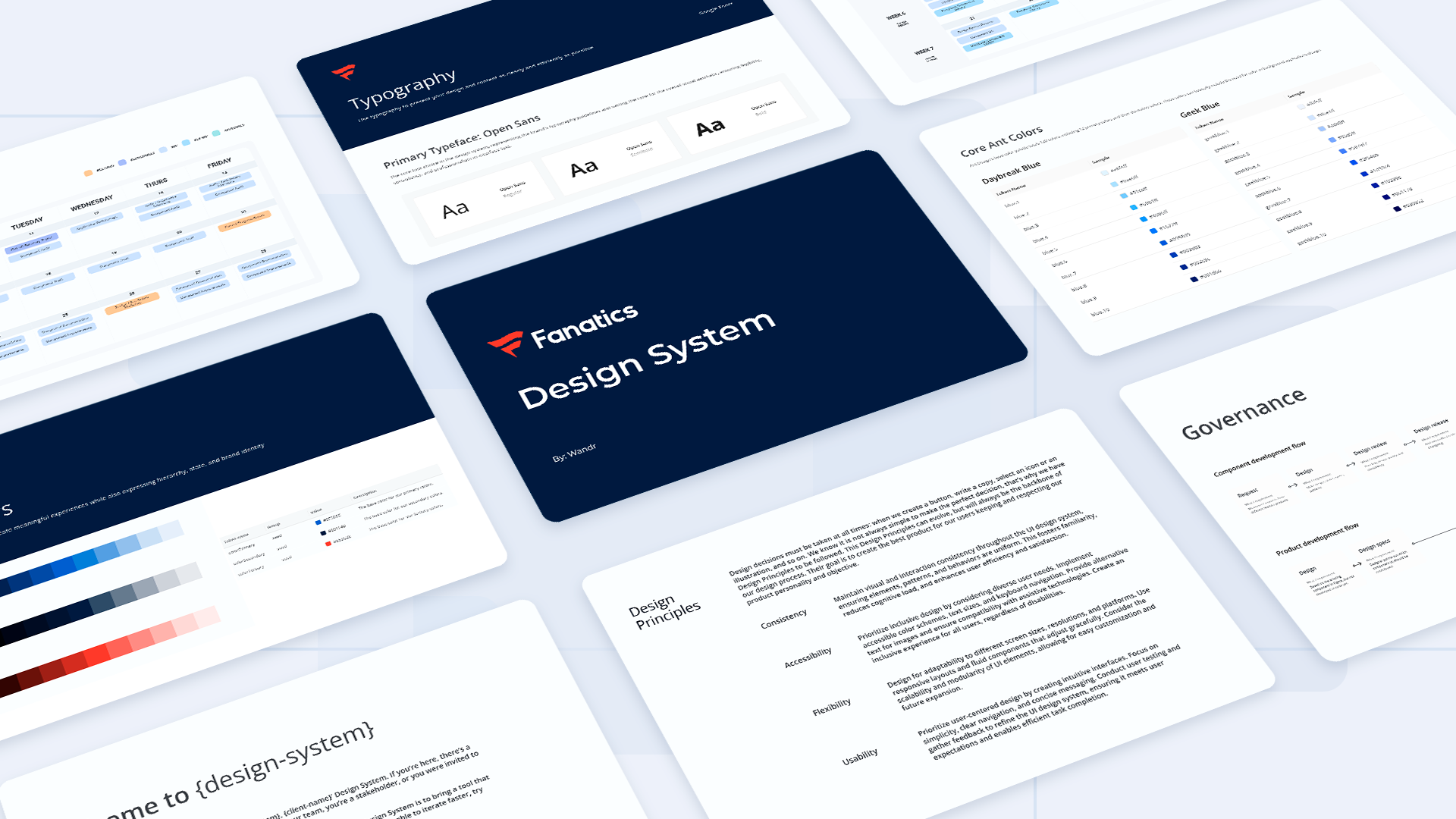
A component library and design system is a shared set of reusable UI elements, rules, and standards that guide how a product is designed and built over time.
It includes core components, visual foundations, interaction patterns, and usage guidelines that help design and engineering teams work from the same source of truth. Instead of redesigning buttons, forms, layouts, and interactions from scratch, teams rely on predefined patterns that are consistent, accessible, and easy to scale.
A well-built design system is not just a design file. It’s an operational framework that supports faster delivery, clearer decision-making, and a more cohesive product experience as teams and products grow.At Wandr, we focus on component libraries and design systems that are practical, flexible, and built for real product workflows, not theoretical documentation.
When to Invest in Component Library and
Design Systems Services?
This service delivers the most value when design and development friction starts to slow real progress.
It’s a strong fit if:
- Your product UI feels inconsistent across features, screens, or platforms
- Designers or engineers are solving the same UI problems in different ways
- Design decisions are slowing down development and increasing rework
- Your team is growing and needs shared standards to stay aligned
- You’re rebuilding, replat forming, or scaling an existing product
When speed, consistency, and long-term scalability matter, investing in a component library and design system becomes a strategic advantage rather than a nice-to-have.

Our process —
Our process —
Why Design Systems
Drives Better Business Outcomes?
Design systems don’t just improve visuals. They improve how teams work.
BOOK A CALL

Faster Product Delivery
Reusable components eliminate repetitive design and development work, allowing teams to focus on higher-impact problems.
Consistent User Experience
Shared patterns ensure users encounter familiar interactions across the product, reducing confusion and cognitive load.
Stronger Collaboration Between Design and Engineering
Clear components, states, and usage guidelines reduce handoff friction and misalignment.
Reduced Design and Technical Debt
Standardization prevents UI sprawl and makes maintenance more predictable over time.
Scalable Foundations for Growth
As products expand, a design system provides structure without limiting flexibility.
What’s Included in Our Component Library &
Design Systems services?
Our design systems are tailored to your product, team structure, and technical environment.


Our Design Systems
process
01
Audit
& alignment
We assess your existing UI, workflows, and team needs to understand where inconsistency and friction exist.
02
Foundation
Definition
We define core principles, visual foundations, and component standards that support long-term scalability.
03
Component Design
& Documentation
We design reusable components with clear guidelines for usage, states, and behaviour.
04
system
Integration
The system is structured to integrate smoothly into your existing design and development workflows.
05
Adoption &
enablement
We ensure the system is intuitive, usable, and easy for teams to adopt and maintain over time.
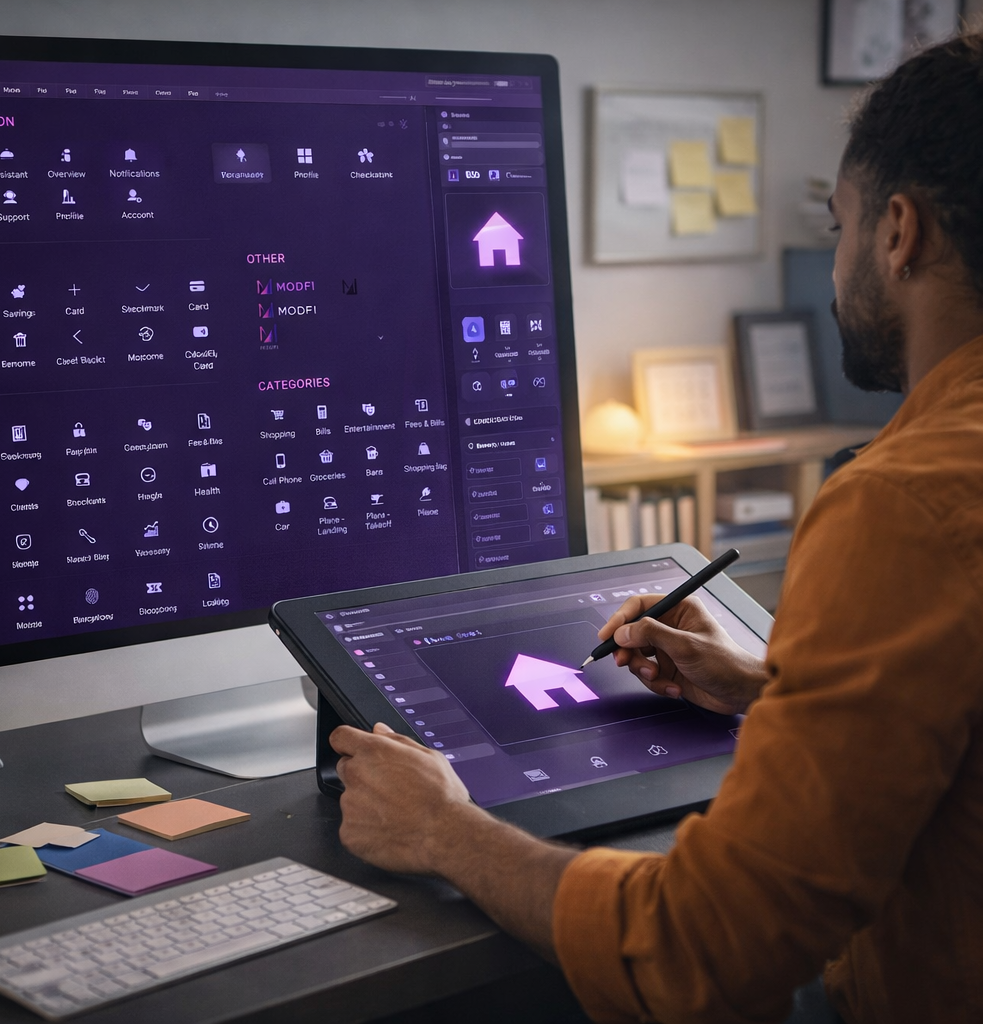

Design Systems Engagement
Timeline
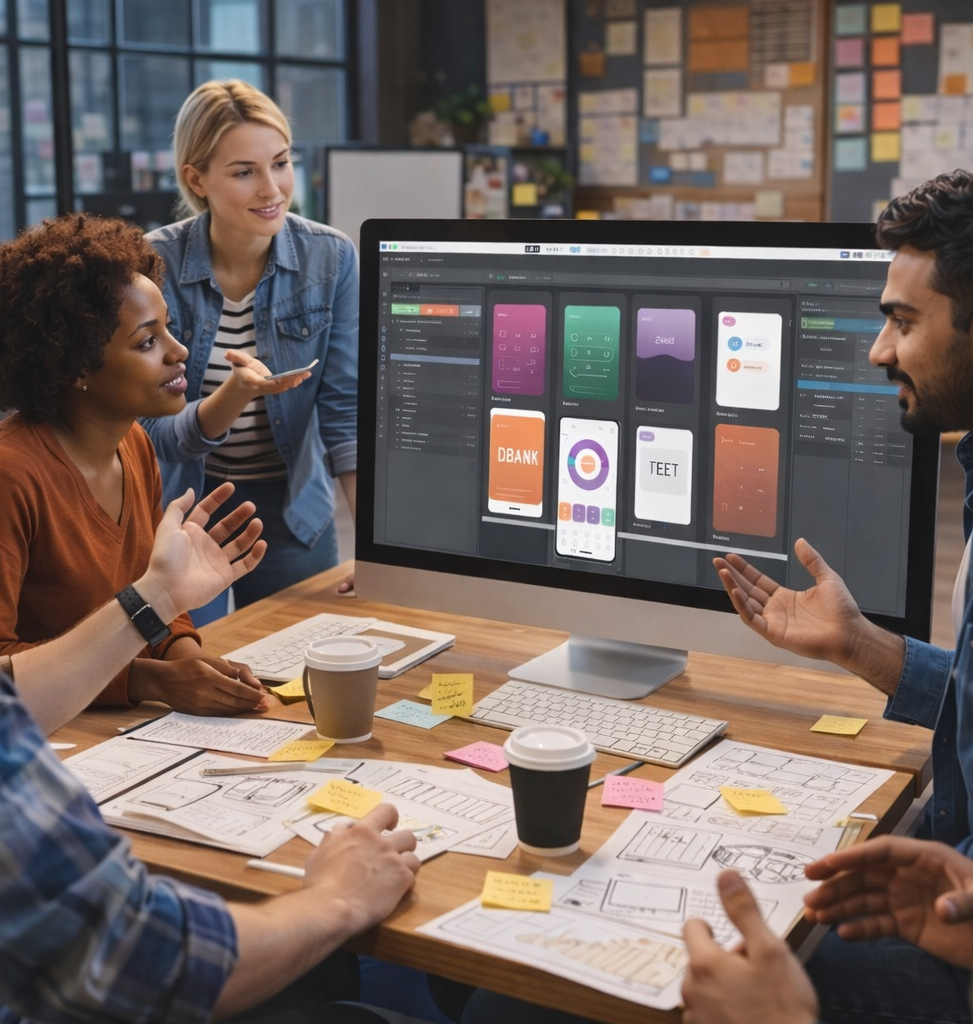
A typical design systems engagement runs between 4–12 weeks, depending on product complexity, team size, and system maturity. The timeline is shaped by whether we’re creating a system from scratch, formalizing existing components, or scaling an in-use library.
Throughout the engagement, we work closely with design, engineering, and product teams to ensure the system is practical, adopted, and ready to support real development workflows, not just documentation.

CASE STUDY —
CASE STUDY
Design Systems
featured case study
See how we’ve helped product teams reduce design debt, accelerate development, and scale consistently across products and platforms.

Design Systems Services FAQs

Workshops work best with cross-functional teams, including product, design, engineering, marketing, and leadership. Diverse perspectives lead to stronger outcomes.
Participants engage in structured activities such as problem framing, ideation, prototyping, and synthesis. Each activity is designed to move teams toward clarity and actionable decisions.
Workshops can range from a half day to multiple days, depending on the complexity of the challenge and desired depth.
Design thinking workshops support product strategy by helping teams clarify goals, evaluate assumptions, and align around priorities before execution begins. They create shared understanding across stakeholders and reduce the risk of building the wrong thing.
We structure workshops to end with clear recommendations and next steps that feed directly into product, design, or strategy work, rather than sitting unused.
You can run design thinking workshops internally, especially if your team already has strong facilitation skills and a shared understanding of the problem space. Internal workshops work well for incremental improvements or when teams are already aligned.
That said, external facilitators are most valuable when stakes are high or alignment is weak. A neutral facilitator brings objectivity, challenges assumptions teams may overlook, and keeps conversations focused on outcomes rather than internal politics. External facilitators also move faster, introduce proven frameworks, and help teams reach decisions instead of circling familiar ideas.
Many organizations use a hybrid approach: external facilitation to kick-start critical initiatives or reset alignment, then internal teams continue applying the methods moving forward.
The right choice depends on complexity, urgency, and how much objectivity the situation requires.

BOOK A CALL —
BOOK A CALL —
WORK WITH A UX DESIGN
AGENCY that scales with you
If you’re looking for a strategic UX/UI design partner — not just a vendor — let’s talk.
get in touch

OUR BLOG —
Our BLOG —
Our BLOG
Design Systems
Related Articles
Design Systems
Article title
Reading time:
10 min
Design Systems
Article title
Reading time:
10 min
Design Systems
Article title
Reading time:
10 min