

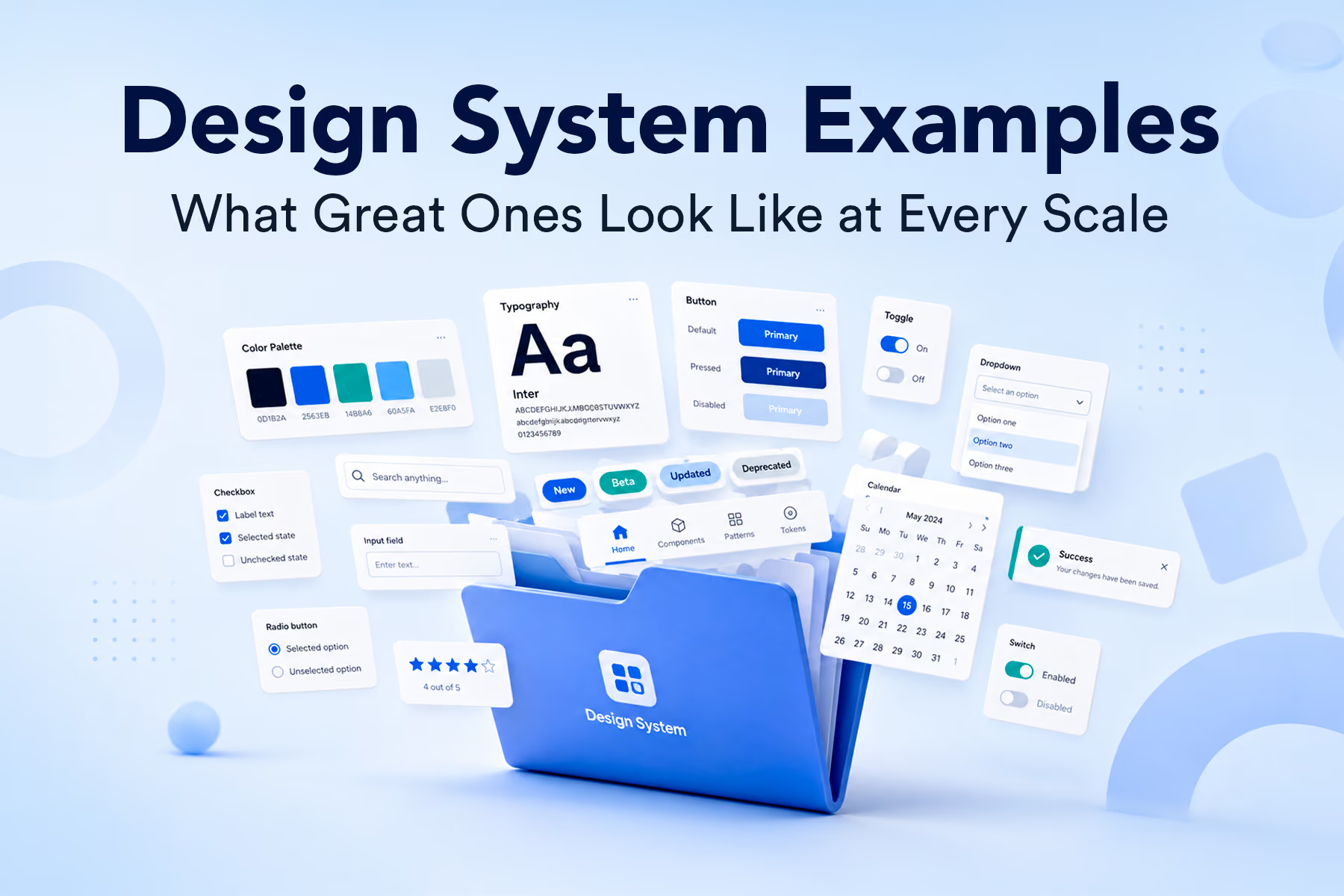
Design system examples are everywhere. What is rare is design system examples that show the organizational reality behind the component library: why the system was built, what constraints shaped the architecture, and what changed after it shipped. This post covers real examples from Wandr's work across enterprise cybersecurity, global sports commerce, nonprofit, fintech, and game development, each representing a different design system challenge and a different set of decisions about what the system needed to optimize for.

What Makes a Design System Example Worth Studying
Most design system examples you find online are documentation screenshots. Component libraries presented in isolation, token structures without context, Figma files that look clean because they were built for a presentation rather than for a production engineering team.
The design system examples worth studying are the ones that show the problem the system was solving, not just the solution. Because design systems do not fail because components are poorly designed. They fail because the system was built without adequate understanding of the organizational context it needed to survive in.
The examples in this post are drawn from Wandr's work. Each one represents a different scale, a different industry, and a different set of constraints that shaped every decision made during the engagement. The screenshots you can see in each case study are the output. What is harder to see but more worth understanding is the process that produced them.
Example 1: Fanatics: Building a Global Design System From Scratch
Context: Global sports commerce platform operating across multiple markets, product lines, and engineering teams.
The challenge: Fanatics operates at a scale where design inconsistency is not a visual problem. It is an operational one. With multiple product teams building simultaneously across different markets and technical environments, the absence of a shared system meant that every team was making independent decisions about the same UI problems. Components existed in different codebases in different states. Token decisions were being made locally rather than globally. The visual inconsistency that resulted was a symptom of a deeper architectural gap.
What the system needed to optimize for: Adoption across teams with different technical stacks and different release cadences. A design system that worked for one team's workflow but not another's would be forked immediately. The architecture needed to be flexible enough to serve diverse environments while still providing the consistency that was the entire reason for building the system.
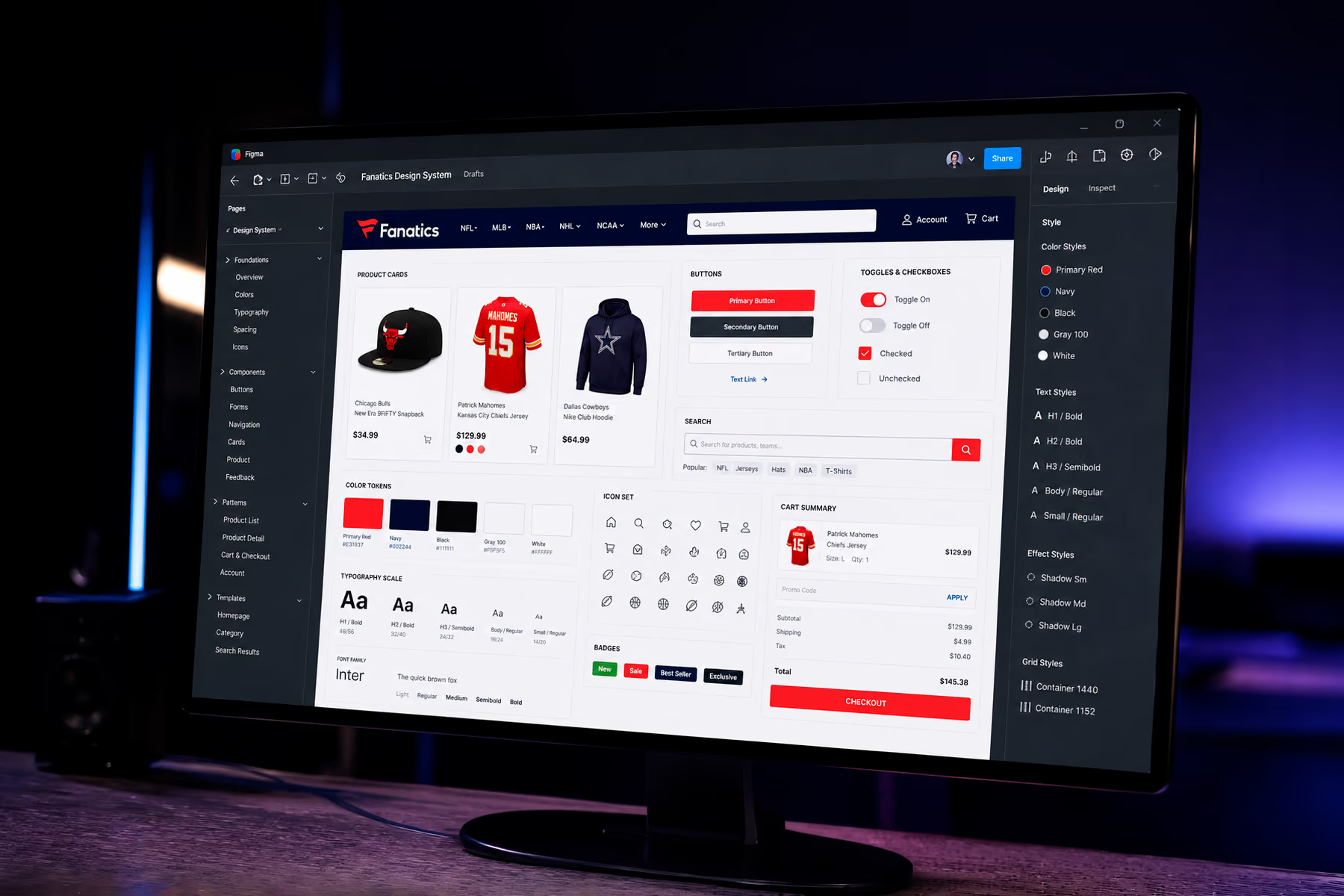
What Wandr built: A complete global design system covering core components, design tokens for color, typography, spacing, and states, component usage guidelines, and the adoption infrastructure that allowed teams across the organization to move to a shared foundation. Foundation decisions were made with engineering input from teams across the organization before any component work began, because changing foundation decisions after components are built is expensive. The system was built to serve the organization as it existed, not as it would ideally exist.
What a design system example at this scale teaches: Global design systems require organizational alignment work before design work. The components are the easier part. Getting multiple engineering teams with different technical environments to agree on a shared token architecture requires facilitation and stakeholder management that most design system projects underestimate.
[View the Fanatics case study]
Example 2: Tenable: Consolidating an Enterprise Design System Through an IPO
Context: Publicly traded enterprise cybersecurity company with a product portfolio that had scaled significantly across multiple years of growth.
The challenge: Tenable's design system challenge was not a greenfield build. It was a consolidation. Years of parallel product development had produced multiple component libraries in different states of maintenance, design files that did not consistently reflect production, and documented patterns that teams had stopped following at some point as the product evolved. This is the design system reality for most enterprise organizations that have grown quickly or through acquisition: what exists is not nothing, but it is not a system either.
What the system needed to optimize for: Consistency and scalability across a global product portfolio, with a migration path that allowed existing product teams to move to the consolidated system without disrupting active development. Tenable was a publicly traded company with enterprise customers and regulatory context. The design system also needed to communicate institutional credibility, not just technical consistency.
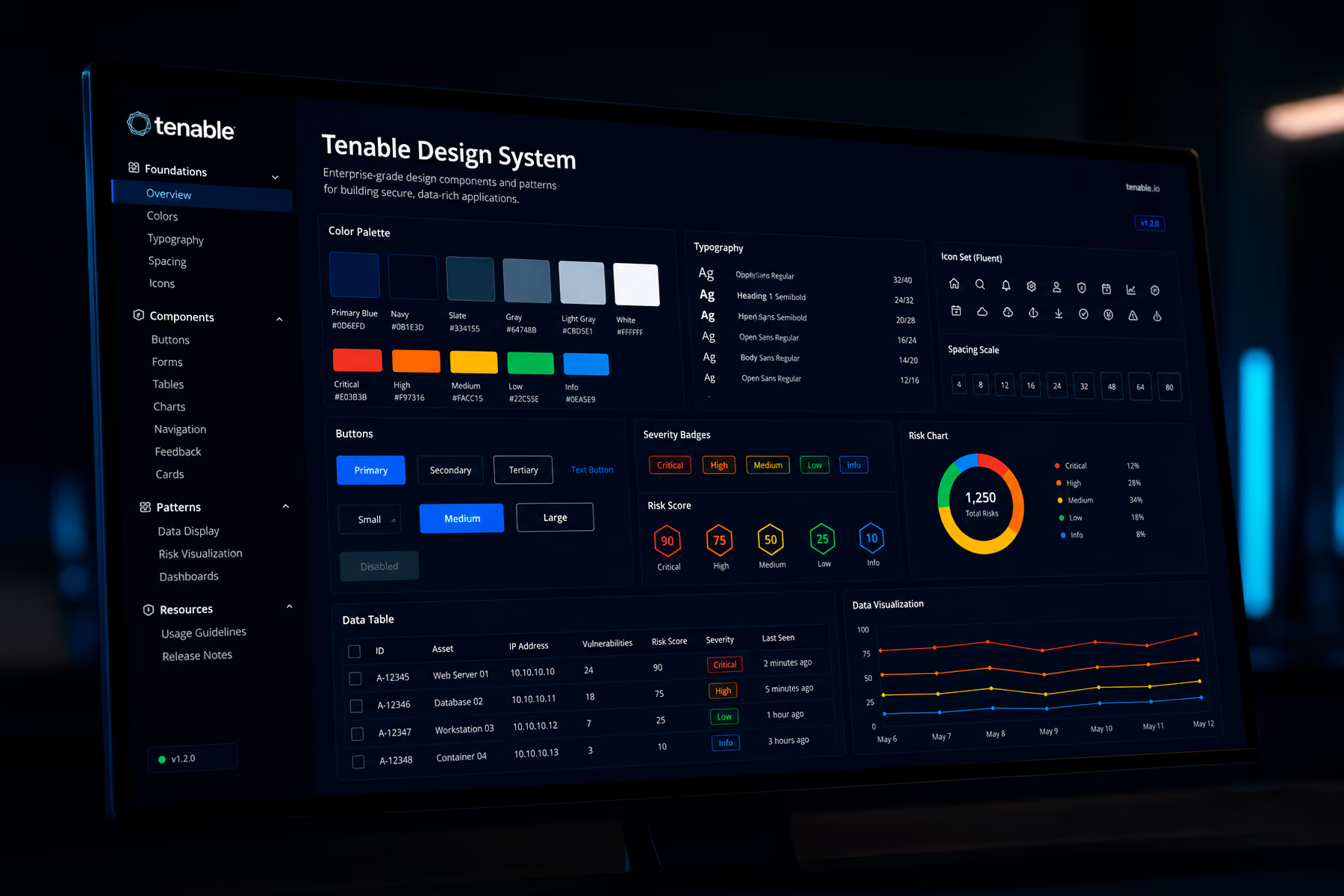
What Wandr built: Over a three-year embedded partnership spanning Tenable's growth through and beyond their public offering, Wandr consolidated the entire global design system. This involved auditing what existed across every product surface, identifying which patterns were genuinely load-bearing versus which ones were legacy decisions that could be simplified, and building a migration path that allowed teams to transition without breaking active product development. The result was a single source of truth for hundreds of engineers and designers across the organization.
What a design system example at this scale teaches: Enterprise design system consolidation is a different discipline from greenfield design system work. The sequencing is different because migration risk shapes every decision. The stakeholder alignment is different because teams that have been building independently for years have strong opinions about their existing patterns. And the timeline is different because the organization cannot stop building while the consolidation happens.
[View the Tenable case study]
Example 3: WWF: Design System Constraints as a Design Opportunity
Context: World Wildlife Fund Canada, operating under strict global brand standards shared across international chapters.
The challenge: WWF Canada's platform was fragmented across four separate systems, making every content update developer-dependent and leaving mobile donations significantly underperforming. The design system challenge here had an unusual constraint: WWF operates under global design standards that left almost no room for visual deviation. The system could not look different. It had to perform differently.
What the system needed to optimize for: Conversion improvement and campaign launch speed within an extremely constrained design envelope. This is the inverse of most design system work, where the brief includes creative latitude. Here the brief was to solve serious operational and conversion problems without changing how anything looked.
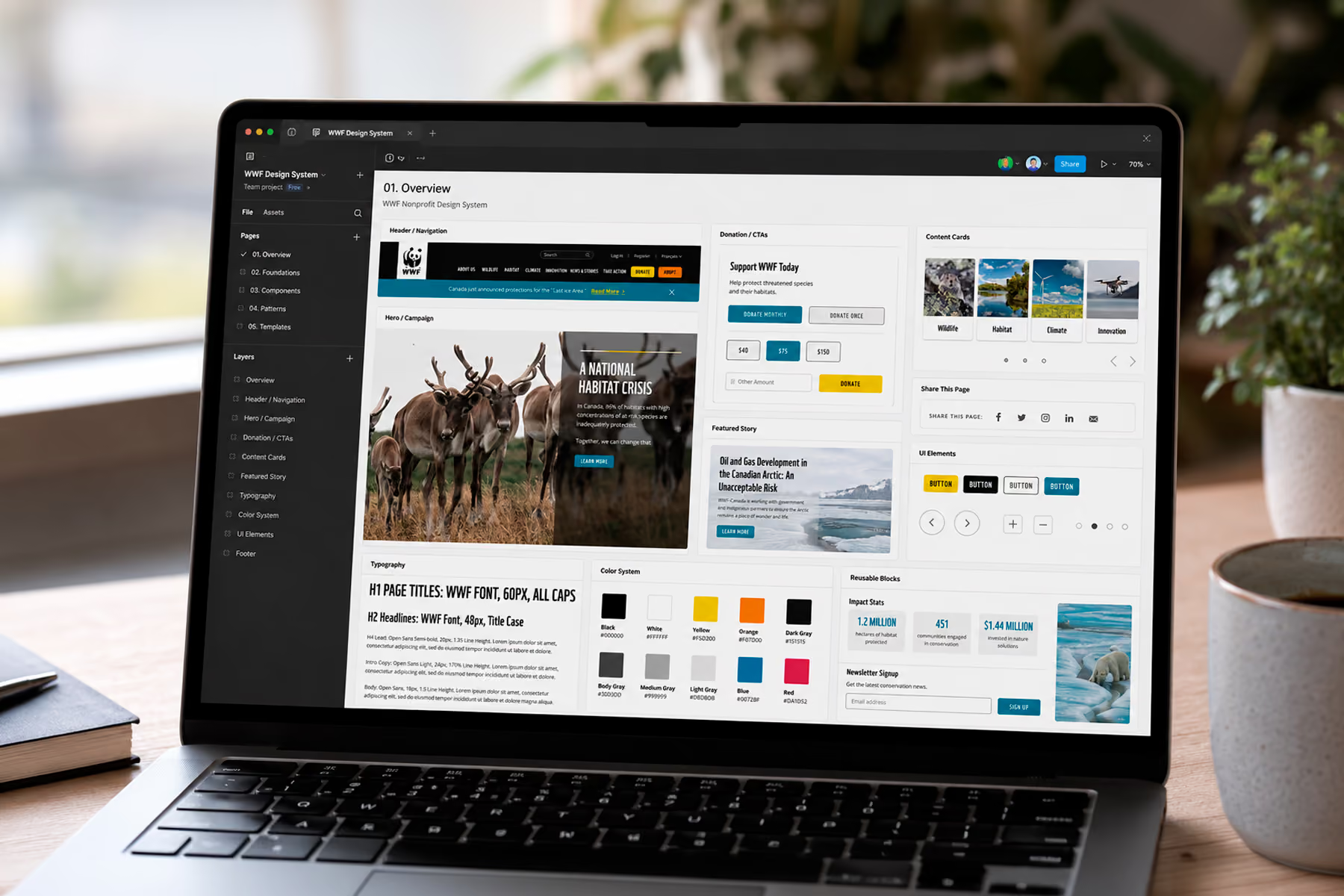
What Wandr built: A modular CMS architecture and redesigned component system that unified the four platforms, gave WWF's team the ability to launch campaigns without developer involvement, and restructured the donation funnel around mobile conversion. The component system had to work within WWF's global standards while still solving the specific problems WWF Canada was experiencing.
The results: A 37% increase in digital donations, a 30% increase in site-generated purchases, a 26% increase in new mobile users, an 18% increase in average time on site, campaign launches 3 times faster, and an 80% reduction in developer overhead.
What a design system example at this scale teaches: Design system constraints are not always limitations. Working within a strict brand system forced every component decision to optimize for behavior rather than aesthetics, which is often exactly the right prioritization for conversion-focused digital experiences.
Example 4: Modfi: Design System for a Fintech MVP Raising a Seed Round
Context: Fintech startup building toward a $4.1M seed round.
The challenge: Design system work at startup scale looks nothing like design system work at enterprise scale. The priority is not comprehensiveness. It is speed and consistency just sufficient to present a credible, coherent product to investors and early users. A design system that is too comprehensive for a startup slows down the iteration speed the product depends on. A design system that is too minimal produces visual and interaction inconsistency that signals lack of craft to both investors and users.
What the system needed to optimize for: Enough consistency to look like a product rather than a prototype, built quickly enough to support a fundraising timeline, and flexible enough to evolve as the product found its market.
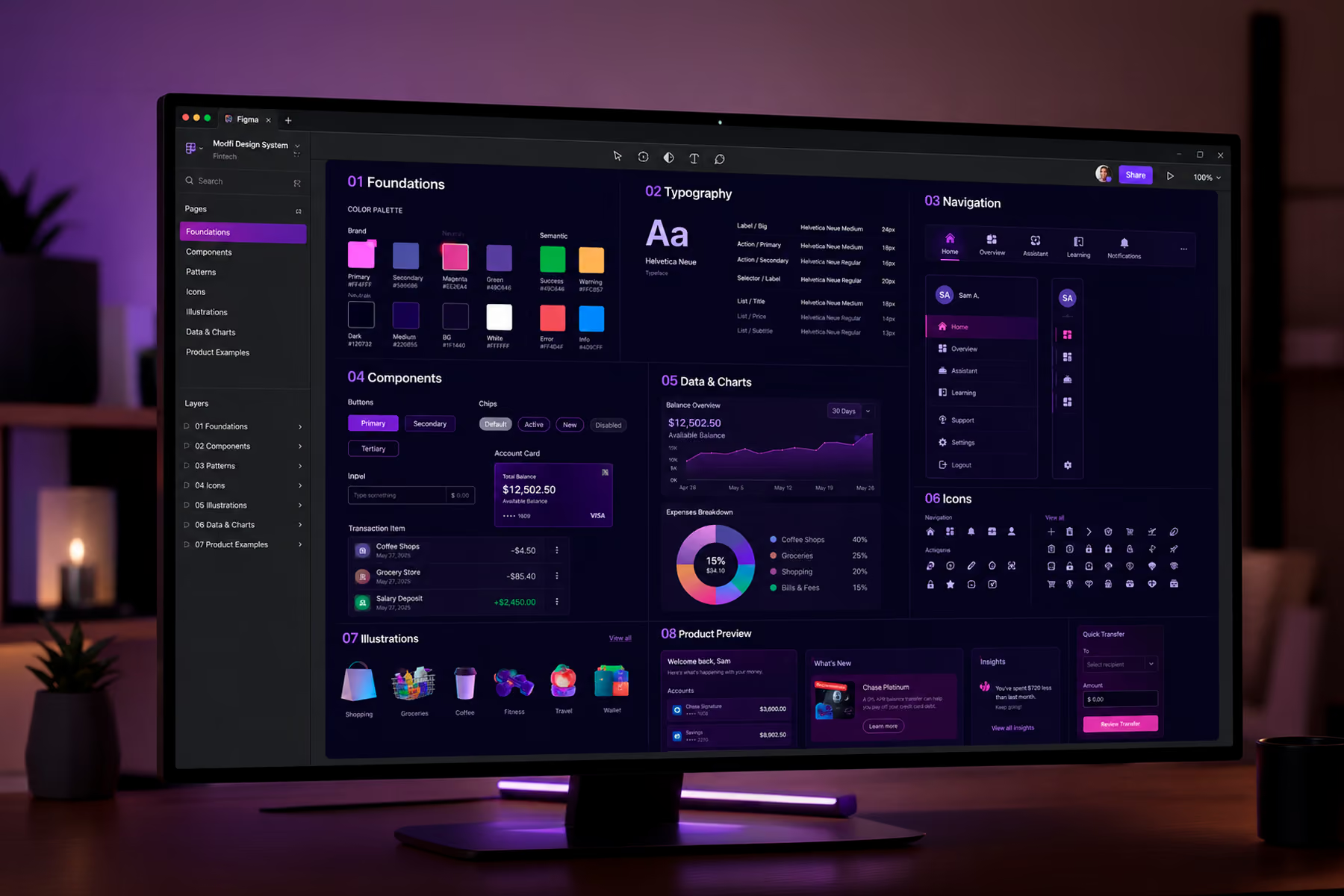
What Wandr built: A component library and token architecture calibrated to startup reality: comprehensive enough to support consistent development across the product, minimal enough to not create maintenance overhead the team did not have capacity for. The system supported Modfi's raise of $4.1M.
What a design system example at this scale teaches: Design system scope should be calibrated to organizational stage and capacity. A seed-stage startup needs a design system that makes the product look mature and makes development consistent. It does not need the governance model and migration infrastructure that a publicly traded enterprise needs.
Example 5: Buildbox: Design System for a Game Development Platform
Context: Game development SaaS platform backed by a former Riot Games CTO.
The challenge: Buildbox's design system challenge was specific to the context of a developer-focused product: the users were game creators with high aesthetic expectations and strong opinions about interface quality. A design system that produced generic or inconsistent UI would undermine the platform's credibility with an audience that evaluates tools partly based on the care visible in the interface.
What the system needed to optimize for: Developer activation. The metric that mattered most to Buildbox was whether new users reached their first meaningful success milestone, because that number drives trial-to-paid conversion. Every component and interaction pattern in the system needed to serve that specific outcome.
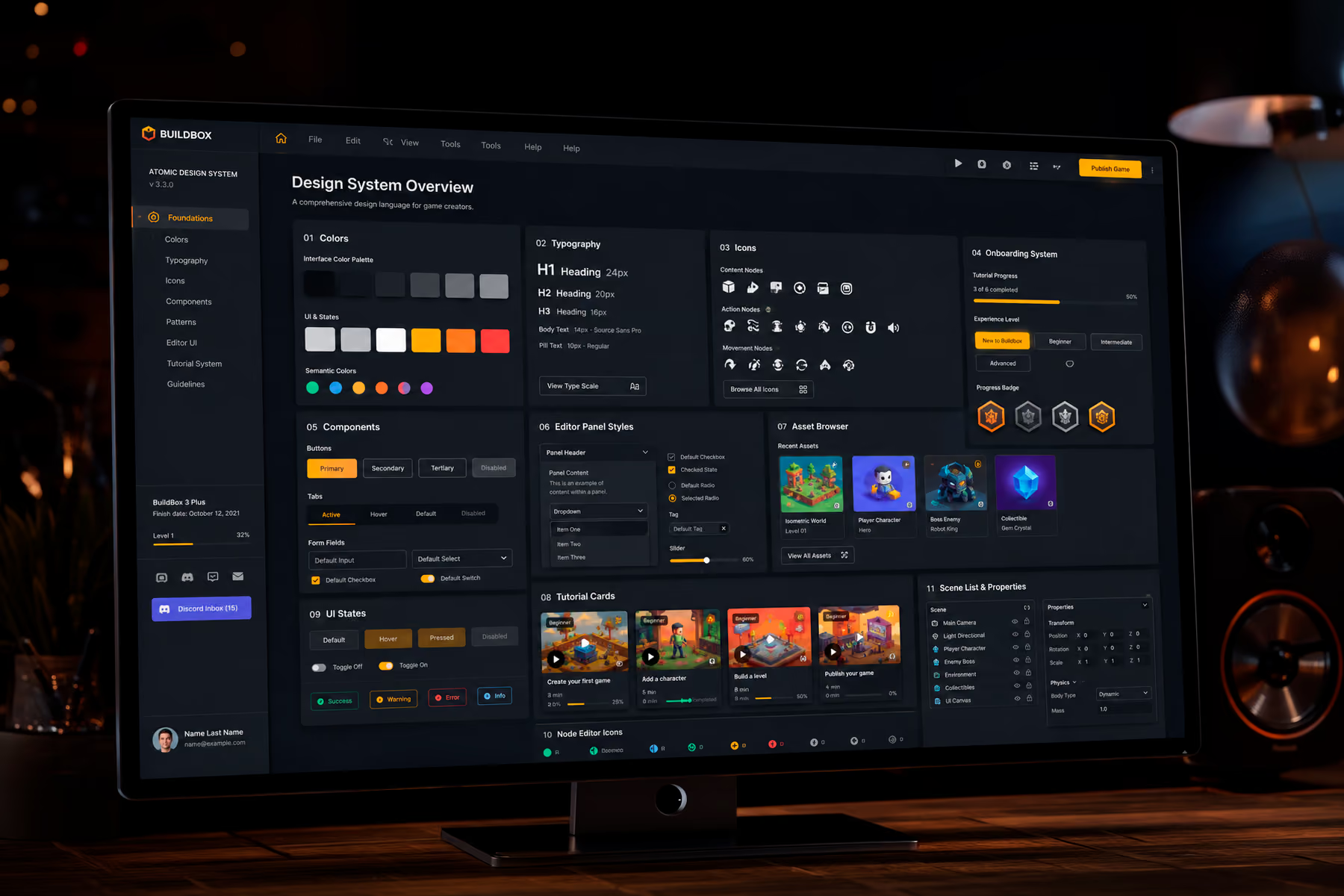
What Wandr built: A component system and interaction architecture built around the first-use journey, ensuring that the patterns users encountered in their first session communicated product maturity and made the path to first success as clear as possible. The result was a 41% improvement in users reaching their first success milestone.
What a design system example at this scale teaches: Design system components are not neutral. Every interaction pattern communicates something about product quality and care. For developer tools especially, the design system is part of the product's credibility signal, not just its operational infrastructure.
[View the Buildbox case study]
What These Design System Examples Have in Common
Five clients across five different industries at five different scales, and several consistent patterns across every engagement.
Foundation decisions were made before component work began. In every case, the token architecture, naming conventions, and organizational alignment happened before any components were designed. This sequencing is the single most important factor in whether a design system survives the transition from deliverable to adopted standard.
Engineering was involved in architecture decisions. A design system that designers love and engineers find difficult to implement will not be adopted at scale. Every engagement involved explicit engineering alignment on component API design and token implementation before those decisions were finalized.
The system was scoped to organizational reality. Modfi needed a different system than Fanatics. Buildbox needed a different system than Tenable. The right design system is the one that serves the organization as it actually exists, not the idealized version of a comprehensive design system that gets built without that context.
Adoption infrastructure was part of the deliverable. Components, documentation, onboarding materials, governance models, and feedback processes were treated as equal deliverables. A design system that ships without adoption infrastructure will not be used.
Final Thoughts
Design system examples are most useful when they show why decisions were made, not just what was built. The component library is the visible output of a process that is mostly invisible: stakeholder alignment, engineering negotiation, organizational constraint mapping, and sequencing decisions that determine whether the system survives contact with the teams that need to use it.
The examples in this post represent a range of contexts that most design system articles do not cover together: global enterprise, funded startup, nonprofit, gaming, and cybersecurity. Each one required different decisions about scope, architecture, adoption, and governance. What they shared was a process that started with organizational understanding before moving to design execution.
Work With a Design System Agency That Has Built Systems at Every Scale
Wandr has designed component libraries and design systems for global enterprise platforms, funded startups, nonprofit organizations, and developer tools. If your product needs a design system built for the organizational context it will actually operate in, schedule a free consultation with our team and let us show you how we approach it.