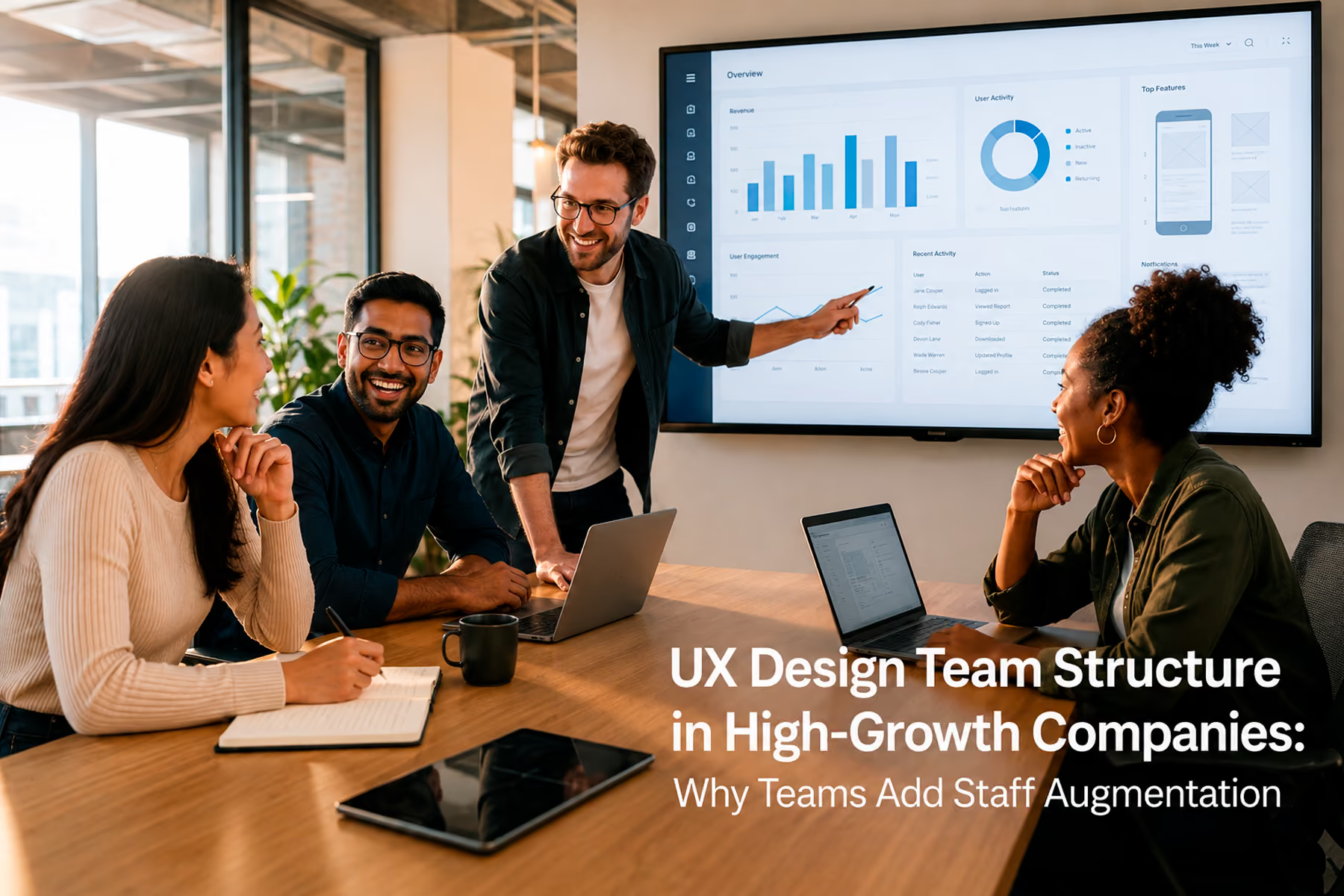



Not all UX staffing agencies operate at the same level.
Some focus on speed. Some focus on margin. The strongest UX staffing agency focuses on standards, structure, and long-term alignment.
When product teams scale, recruiting quality determines more than hiring speed. It affects ramp time, cultural integration, long-term retention, and delivery quality. The difference between average staffing and disciplined staffing shows up quickly — often within the first sprint.
This guide outlines what a serious UX Staffing Agency should be doing across recruitment, vetting, categorization, upskilling, and onboarding.
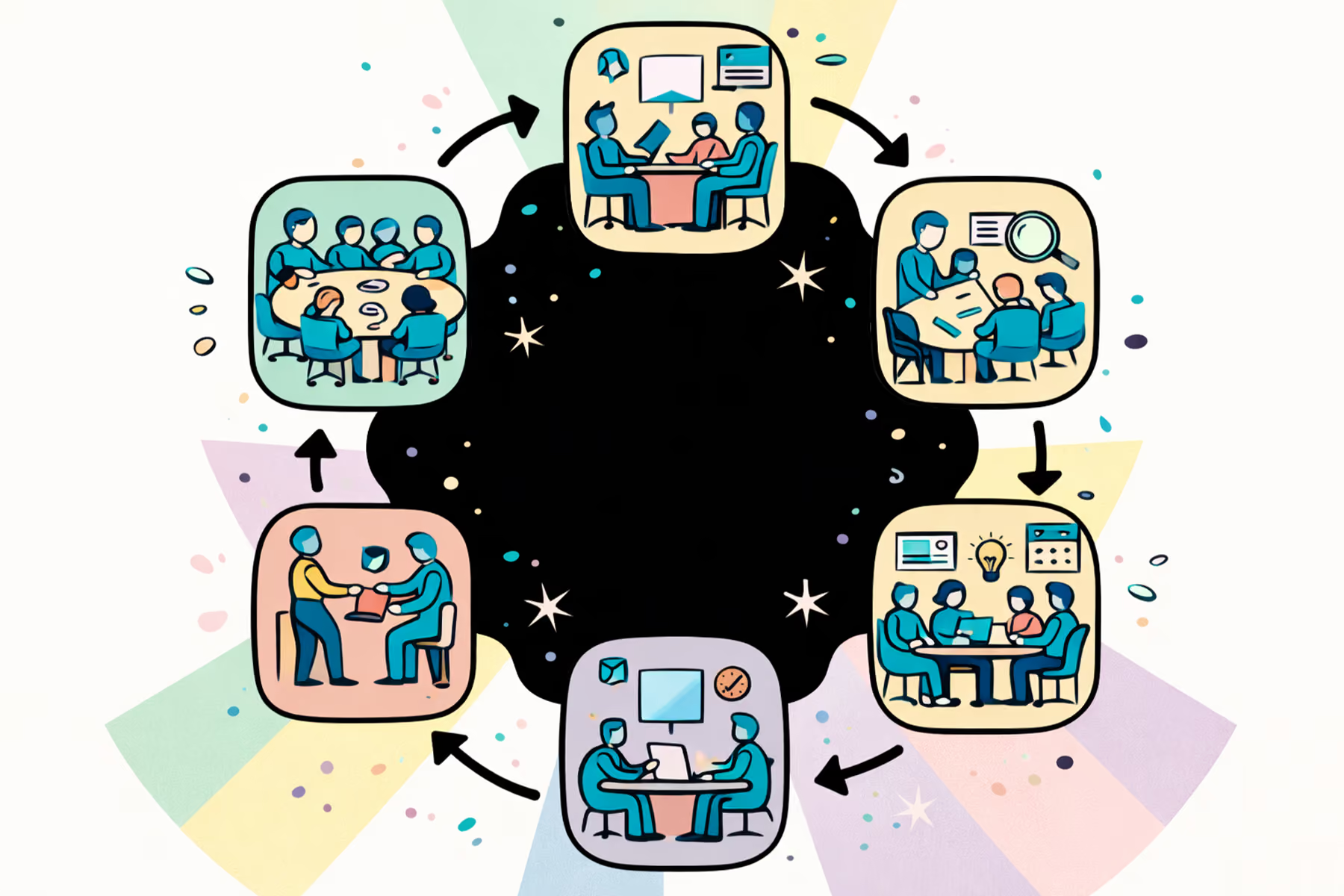
Recruitment Standards at a Top UX Staffing Agency
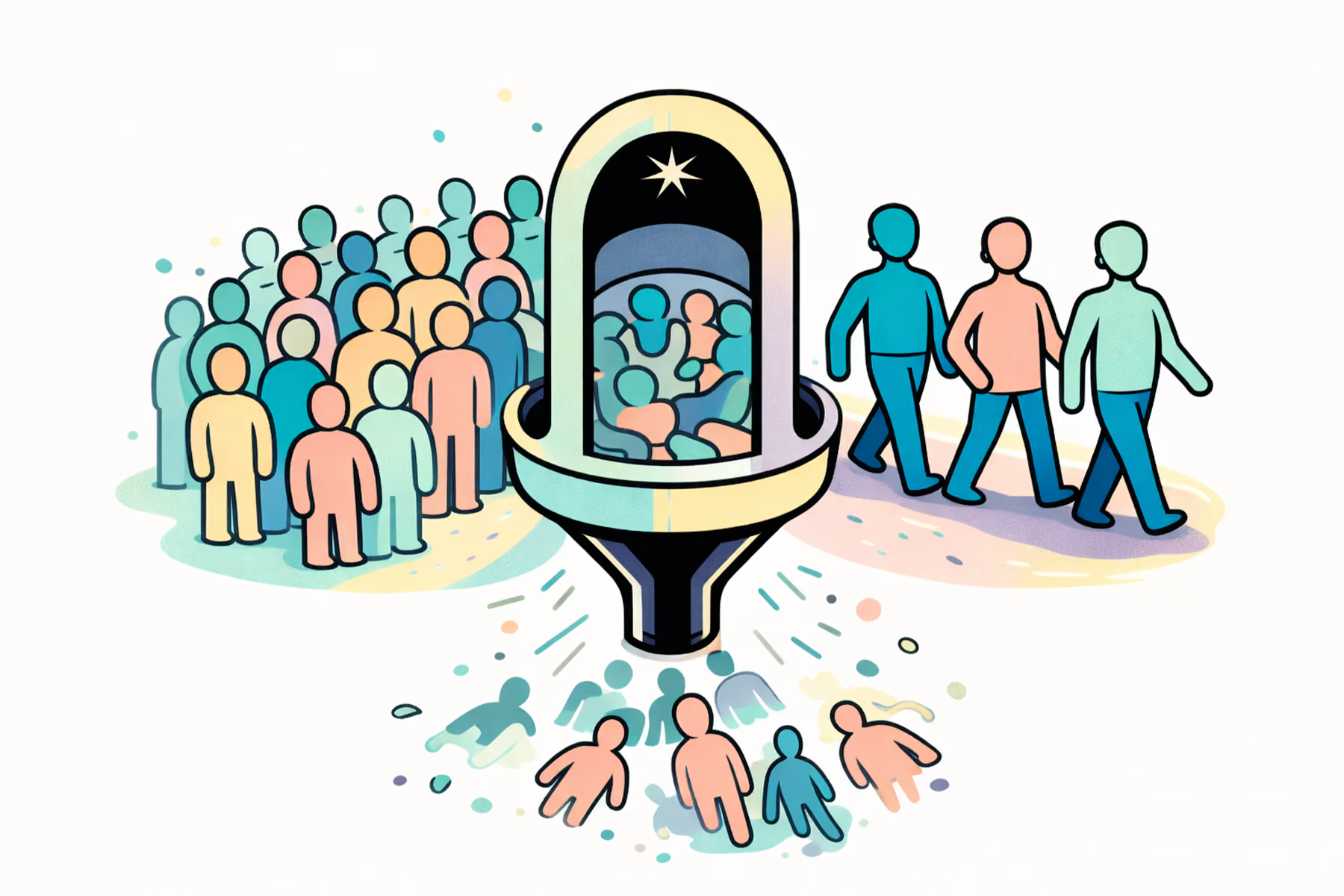
Recruitment should reflect the same standards you would apply to your own internal product team.
At WANDR, we do not hire designers “for clients.” We hire designers who meet our internal benchmark at the same level we would trust on our own enterprise initiatives. If someone does not meet that bar, they are not added to the roster.
An experienced UX Staffing Agency should:
- Recruit only A-level performers
- Avoid “budget placements” that compromise delivery
- Maintain a curated, high-performing bench
- Prioritize skill and impact over availability
This approach increases first-time match success and reduces long-term friction. Recruitment is not about filling roles quickly. It is about protecting outcomes.
Harvard Business Review warns that a bias for speed can push teams to hire too quickly, increasing the likelihood of avoidable mismatches — which is why disciplined hiring processes that prioritize fit and long-term performance are worth the upfront rigor.
If you want to understand how weak recruitment creates downstream issues, read The Hidden Problems with UX Designer Recruitment in Fast Growing Teams.
Technical Vetting in a Modern UX Staffing Agency
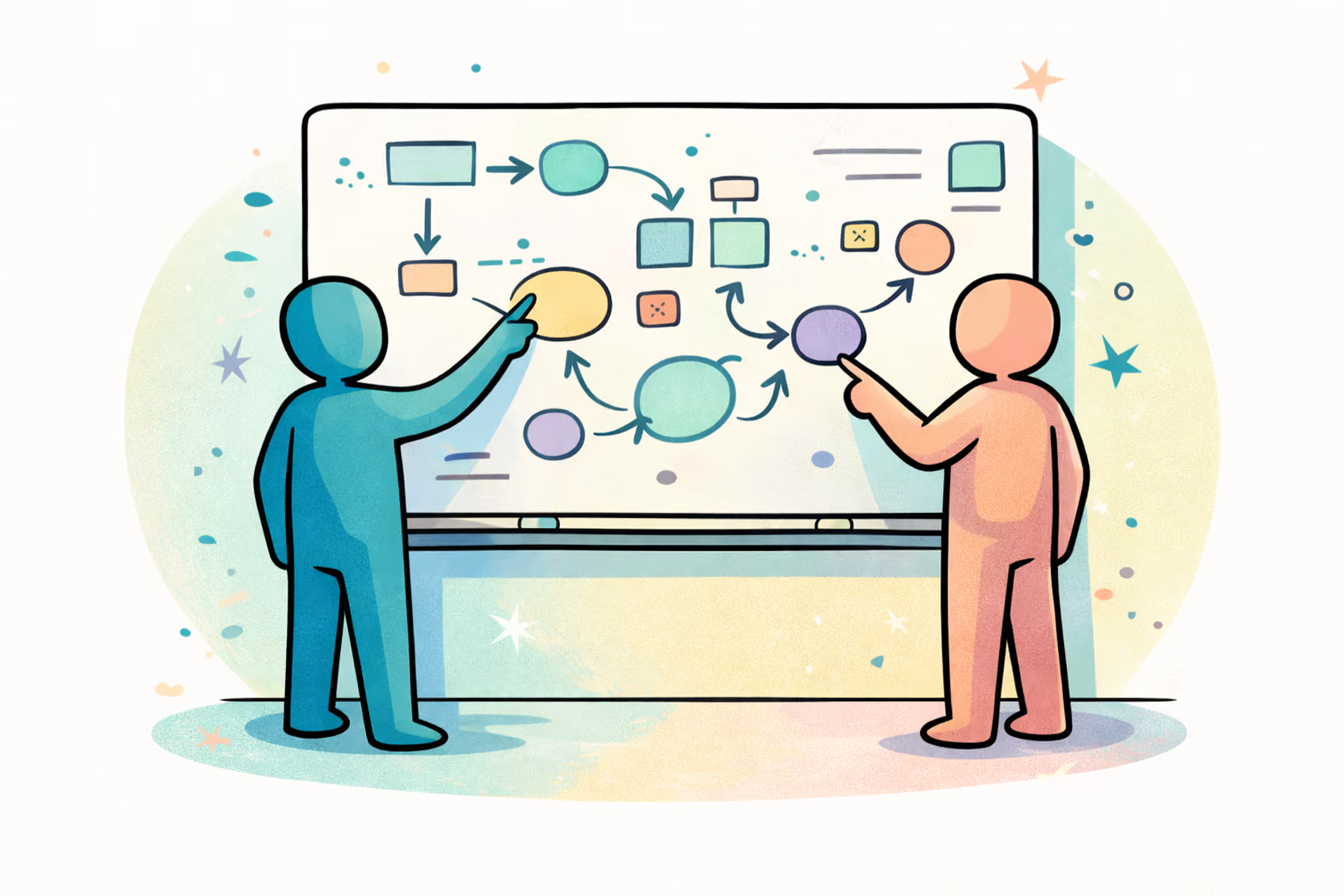
Portfolios tell you what someone has done. They rarely tell you how someone thinks.
A mature UX Staffing Agency integrates live technical vetting into the process. We conduct real-time whiteboard sessions that simulate actual product challenges. When a client is already identified, those exercises are tailored to the type of work the designer will perform.
The purpose is not perfection. It is clarity.
We evaluate:
- Problem-solving structure
- Communication under pressure
- Trade-off reasoning
- Adaptability in real time
Live assessments reduce mismatch risk dramatically because they reveal process, not just presentation.
Nielson Norman talks about this in their article Hiring and Retaining UX Teams During the Great Resignation. It explicitly discusses how portfolios dominate, but teams also use whiteboarding and take-home exercises (i.e., work-sample style evaluation) and stresses planning interview criteria around real challenges
Cultural Alignment in a UX Staffing Agency Model
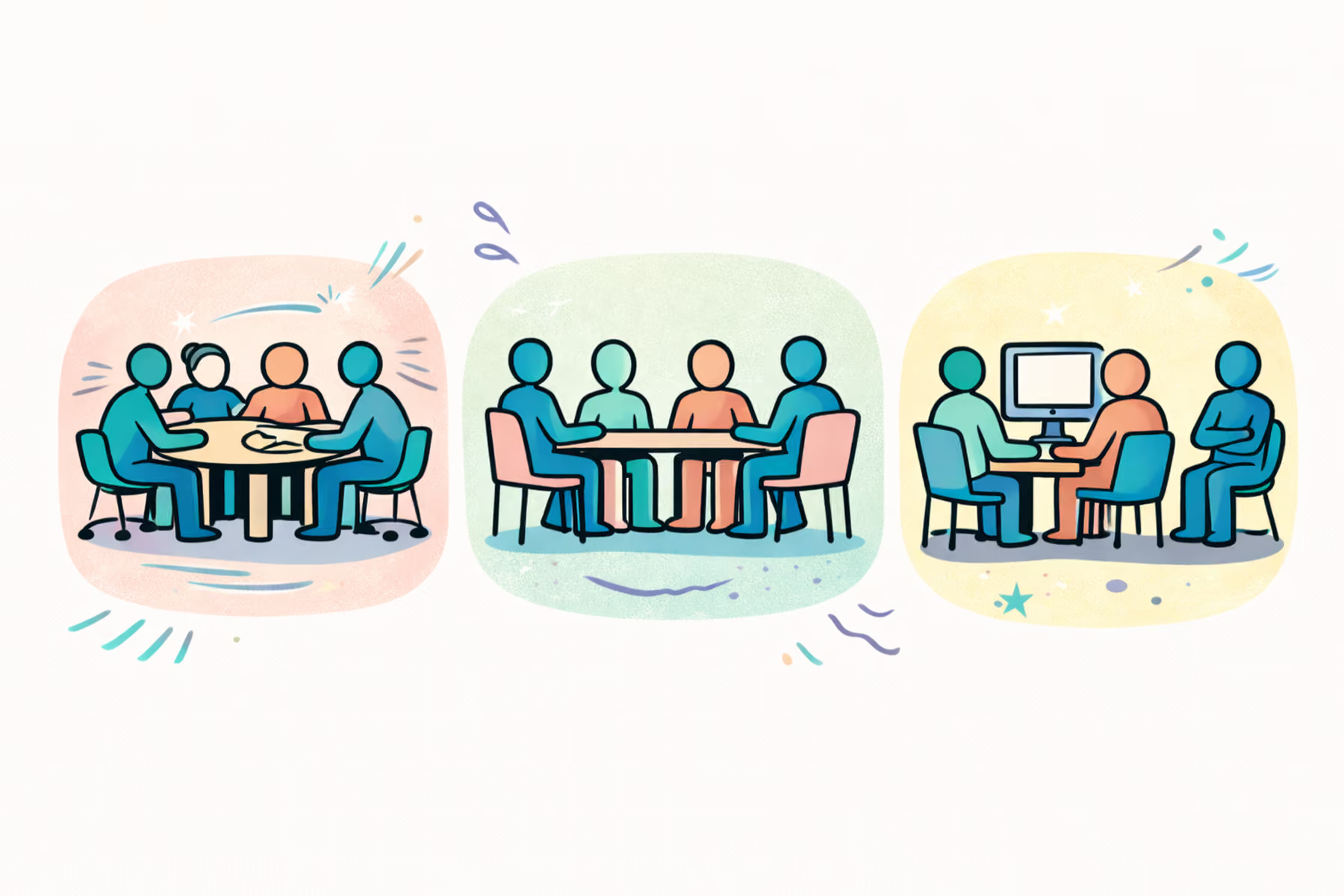
Technical capability is the baseline. Cultural alignment determines longevity.
When a client is known, we map:
- Communication style
- Decision-making structure
- Leadership expectations
- Collaboration cadence
We then match against those characteristics deliberately.
If a client is not yet identified, we categorize designers based on adaptability, personality tendencies, and communication profiles so future matching can be precise.
A Leadership IQ study found that many new-hire failures are driven primarily by interpersonal and attitude-related factors rather than technical incompetence — reinforcing why UX staffing agencies must vet for communication, adaptability, and collaboration, not just portfolios.
Strategic Talent Categorization Inside a UX Staffing Agency
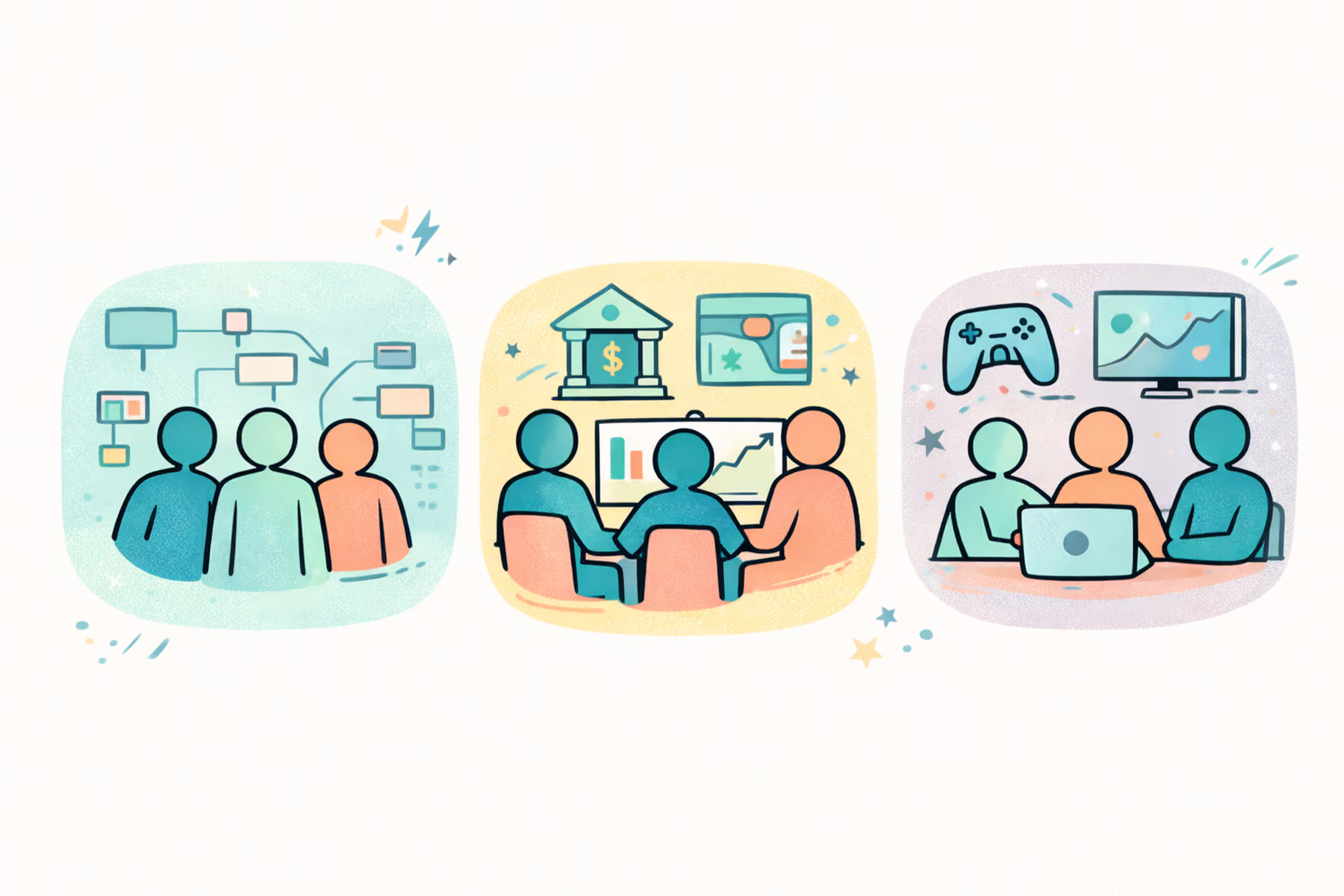
Generic talent pools create generic matches. A sophisticated UX staffing agency builds a categorized roster.
For example:
- A designer with deep gaming experience becomes a gaming specialist.
- A systems-focused designer becomes a design systems expert.
- A fintech veteran becomes a compliance-savvy strategist.
This structured categorization allows for surgical placement when industry-specific needs arise.
Precision matching increases ramp speed and reduces onboarding friction. It also improves long-term engagement quality because designers are placed where they can create the most leverage.
Proactive Upskilling as a UX Staffing Agency Differentiator
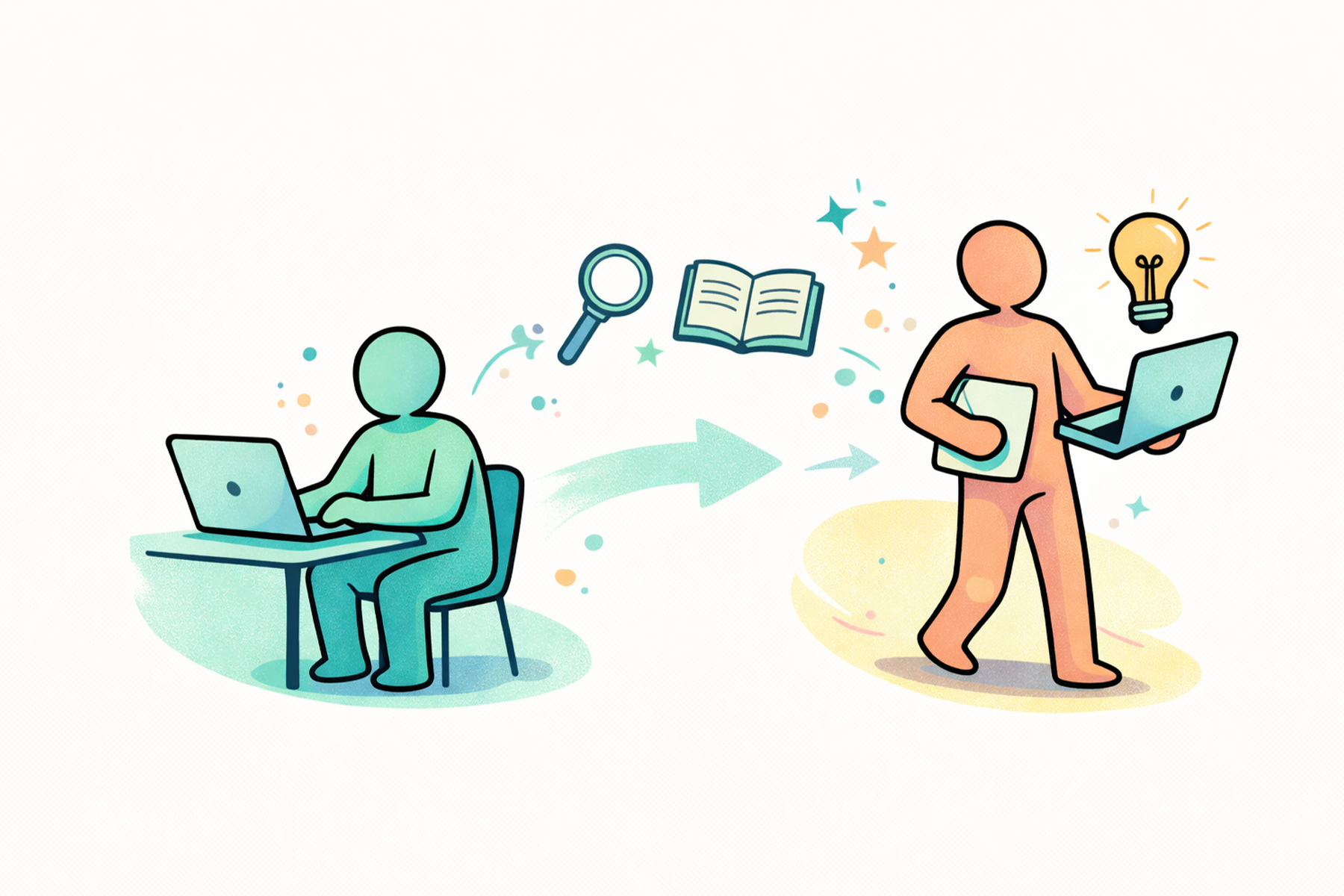
Upskilling operates on two levels: market-driven and client-driven.
Market-Driven Upskilling
Leadership continuously evaluates evolving tools, frameworks, and industry trends. Designers are trained proactively so they remain competitive and aligned with current standards.
According to U.S. Bureau of Labor Statistics data, ongoing professional development significantly impacts long-term workforce competitiveness and retention. This prevents stagnation before it impacts performance.
Client-Driven Upskilling
When a designer is embedded within a client organization, we assess the upcoming roadmap and anticipate skill needs for the next quarter. If complexity is increasing or new capabilities will be required, we upskill before the gap becomes visible.
This proactive approach aligns directly with structured quarterly reviews. A serious UX Staffing Agency does not wait for performance to dip before intervening.
Onboarding Structure in a UX Staffing Agency Engagement
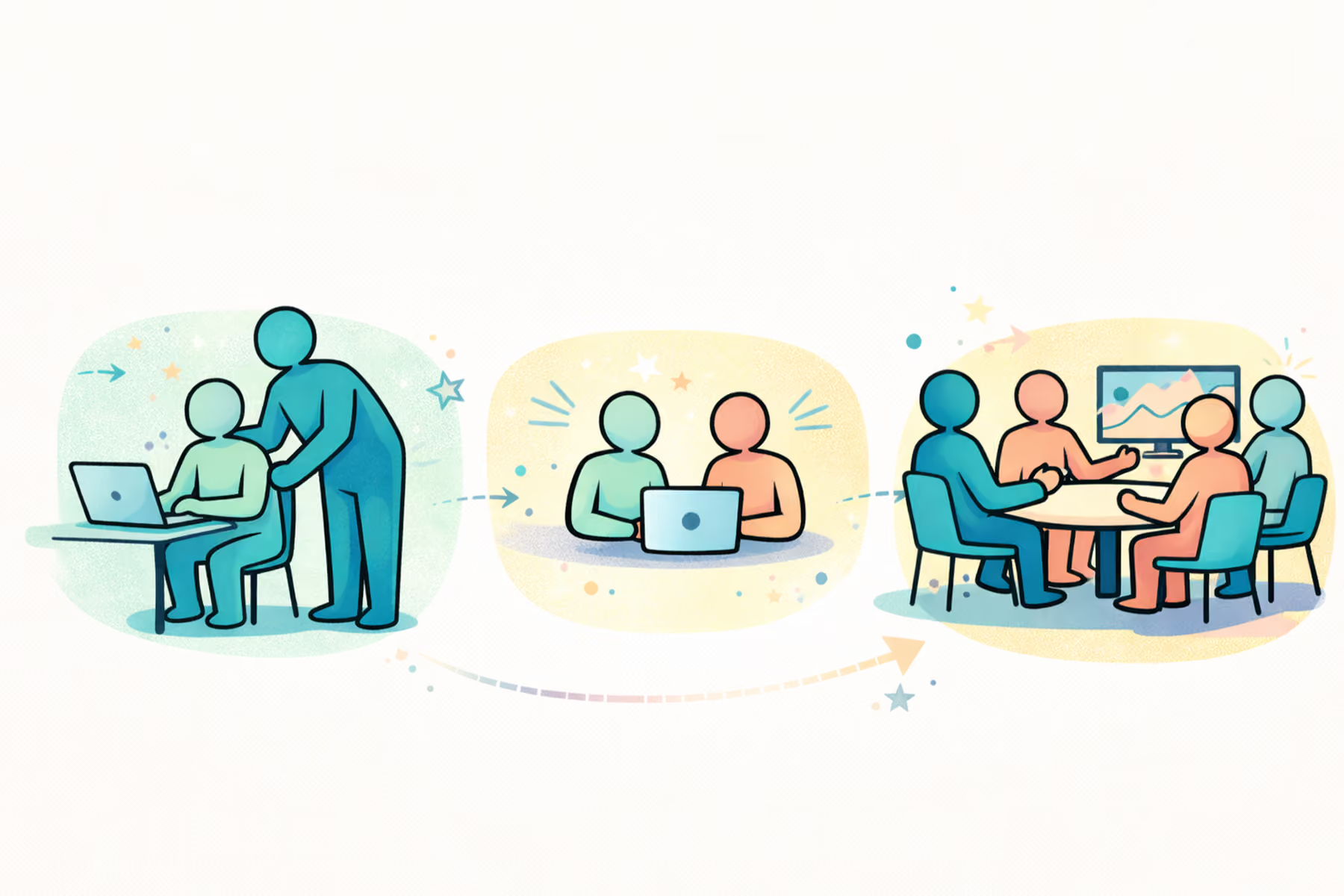
Onboarding determines ramp speed more than any other phase.
There are two dimensions: internal alignment and client integration.
1. Internal Alignment
Designers receive clear expectations around QA standards, communication practices, and delivery structure. However, rigidity is avoided. In staff augmentation, flexibility is critical. Designers must understand structure while remaining adaptable to client processes.
2. Client Integration
Client onboarding begins before the official start date. We gather documentation, clarify tools, define collaboration rhythms, and pre-map expectations in advance.
If an internal resource exists, shadowing begins before the official handoff so context is absorbed early. If the environment is new, the Head of Design or Head of Development supports the first one to two weeks of onboarding, joining meetings and conducting structured QA sessions.
Leadership involvement ensures the designer ramps quickly while maintaining quality standards.
That philosophy is built into our UX/UI Staff Augmentation Services, where integration is prioritized as highly as placement.
Seamless Integration: What Clients Should Experience from a UX Staffing Agency
When onboarding is executed properly, augmented designers feel embedded rather than outsourced.
They adapt to internal tools, adjust to collaboration rhythms, and align with leadership expectations quickly. The experience should feel cohesive, not external.
Rigid staffing models create friction. Structured flexibility creates integration. That distinction separates a transactional recruiter from a long-term UX Staffing Agency partner.
Final Thoughts
A UX Staffing Agency should function as a quality control system, not a resume pipeline.
The strongest agencies recruit to high internal standards, vet rigorously, categorize talent strategically, upskill proactively, and onboard with leadership involvement from day one.
If your current partner is not operating at that level, you are not just compromising recruitment quality — you are introducing structural risk into your delivery process.
Want to evaluate whether your recruiting, vetting, and onboarding model is built to scale?
Request a strategic staffing assessment. We will identify where your current structure is strong and where it may need reinforcement.