

Persona 01

Sam
Product manager in New York on $90 to $120K. Carries multiple rewards cards and works each one for what it gives back. Abandoned Mint because aggregating his cards duplicated transactions.
Rewards-driven
Already taps to pay
A $4.1M seed round closed on the prototype and pitch deck we designed, and ModFi's patent portfolio is now licensed to a global technology leader.
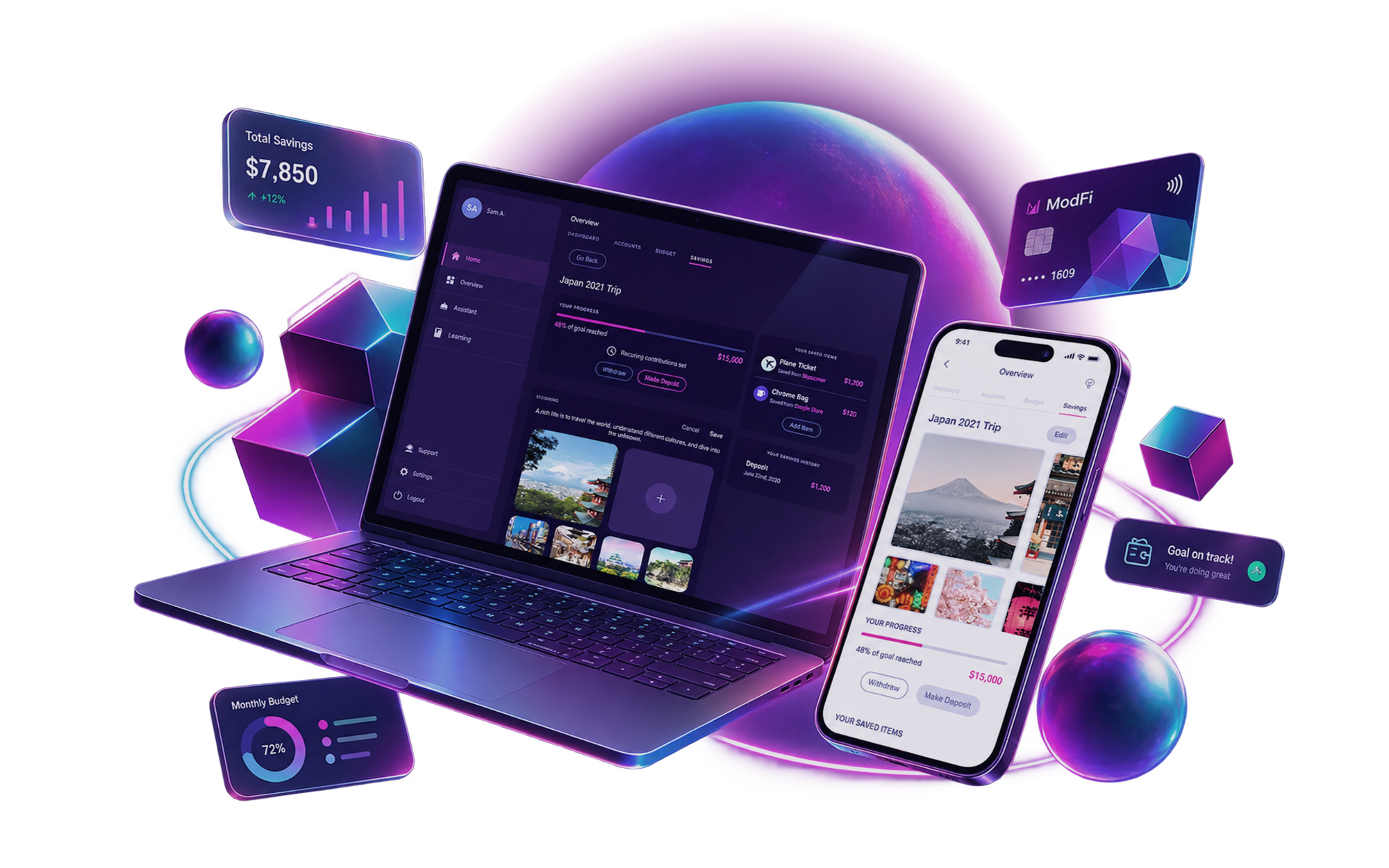
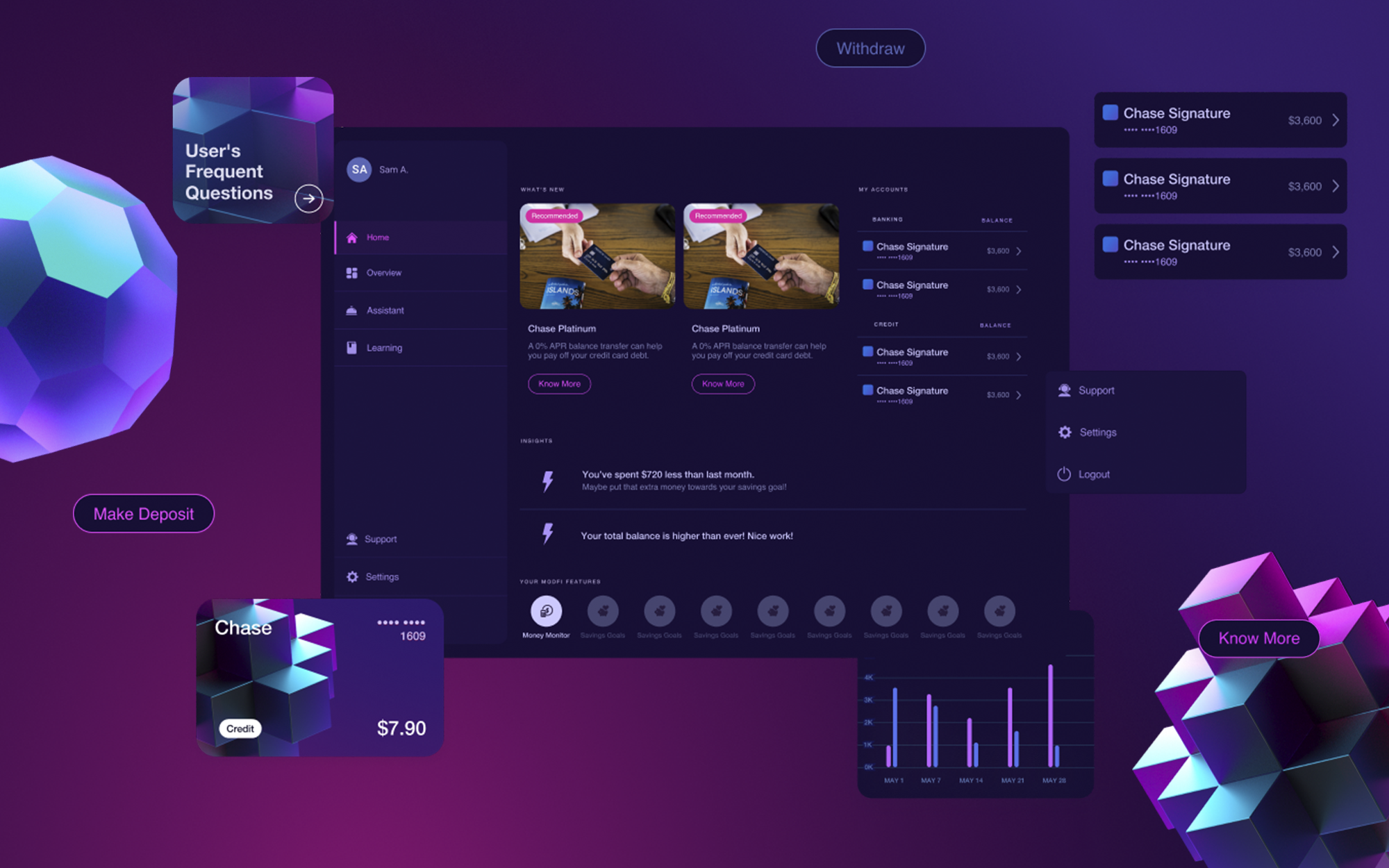
ModFi had spent a decade on the device and the intellectual property behind modern payments. The product those filings were meant to live inside did not exist yet.
ModFi began life as Edge Mobile Payments, a San Francisco fintech founded in 2017 around a single physical object: an NFC device meant to carry every card a person owns. CEO Peter Garrett is a career hardware engineer with a long list of patents to his name. In 2017 the company acquired the technology of Plastc, a smart card startup that had taken customer pre-orders and never shipped, and in 2018 it acquired a wearable IoT payments and cloud wallet patent portfolio from Nexus Payments.
By early 2020 the device worked and the patents were filed. The software did not exist. The company rebranded from Edge SmartCard to ModFi, short for Modern Finance, and set out to build the platform the device was supposed to plug into: an aggregator of banks, credit cards, budgeting, rewards, and peer-to-peer transfer. Internally the ambition was described as being the Netflix of finance.
Art director Leigh Erickson came to WANDR in February 2020 asking for mobile app, website, and browser extension design. On the first call it was clear the company needed something earlier than design. It had not yet decided what it was selling, to whom, or at what price.
The hardware was ready. Nobody could say who it was for.
A decade of patents, a working device, a fresh name, and no defined MVP, no validated audience, and no agreement on how any of it would be priced.
ModFi wanted to target “everyday consumers.” Target audience, positioning, feature priority, and pricing were all still open, and the team was actively debating whether the app should be free plus paid or free plus two tiers. Nobody could name the first hundred users.
A mobile app, a marketing website, a browser extension, and the physical device were being pursued in parallel, with no common user experience, no design system, and no research any of them shared.
The banking layer ran through a bank program manager's API. Only two areas were genuinely ModFi's to design: accessing rewards and switching cards. Everything else had to be built inside somebody else's constraints.
The acquisition that gave ModFi its hardware also gave it the history of a smart card startup that had taken pre-orders and never delivered. The words “plastic” and “card” were off limits in every piece of copy and branding, which removed the two most obvious ways to describe the product.
The engagement kicked off on 30 March 2020, at the start of the lockdown. A device whose entire appeal is the feeling of holding and using it could not be put in front of a single research participant or investor. Every demo, workshop, and test had to work through a screen.
Not a vendor. The missing half of the team.
Forty surveyed, twelve interviewed, to find one buyer.
The survey went to ModFi's own beta-tester list, the people who had already raised a hand for the product. Forty answered, twenty were invited to a 1:1, and the study closed with nine deep interviews across target and extreme users, three fintech expert interviews, and a panel. The question was never whether people wanted better financial software. It was which of them would pay for it.
90% of the target segment ranked having separate apps for budgeting, investing and payments above every other financial frustration. Interviewees were running four to seven accounts, each with its own login. One had gone back to a manual spreadsheet because nothing on the market gave an accurate picture.
Seven of eight used Apple Pay, Google Pay or Android Pay. Eight of eight held a credit card and three held four or more, averaging 2.25 payments a day. Published research agreed: 72% of US mobile payment users were millennials or Gen X.
On a five-point scale the segment rated confidence managing their finances 4.1, but security in their means of payment only 3.6. The opening was real: 81% of Americans aged 18 to 34 said they would consider a financial product from a technology company over a bank.
Product manager in New York on $90 to $120K. Carries multiple rewards cards and works each one for what it gives back. Abandoned Mint because aggregating his cards duplicated transactions.

College senior in Ann Arbor on about $15K part-time. Low financial literacy, high social spend, lives on Venmo. Believes saving is not possible while she is still in school, so she does not try.

Business consultant in Leawood on $120 to $150K, in a $300K household. High income and high debt. Relies on an advisor, and wishes she could see the whole picture herself.
ModFi arrived targeting everyday consumers and college students who would never pay. Research named the segment that would: financially intentional millennials, roughly 30 to 35, in technology-adjacent work, already carrying multiple rewards cards and already comfortable paying with their phone. The MVP was scoped to them and nobody else.
Casual, cash-game, and bingo players don't share a funnel. We built differentiated entry paths so each audience sees what matches their motivation.
Bingo has its own demographic, competitive landscape, and purchase behavior. It gets its own landing page strategy — not a shared one.
They were not selling hardware. They were selling permission to stop worrying.
ModFi spent a decade solving a physical problem: too many cards in one wallet. Fifteen million Americans carry seven or more, so the problem was real. But it was not the one people described. In interview after interview, nobody complained about the thickness of their wallet. They complained about seven passwords, four apps that disagreed with each other, no accurate number in front of them, and a constant low hum of not knowing where they stood.
That reframing changed the product and the pitch at the same time. The device stopped being the thing being sold and became the proof that the software was real. ModFi went to investors describing a consolidation and education platform with hardware attached, rather than a smart card with an app attached. It is a much easier story to fund, and it was the true one.
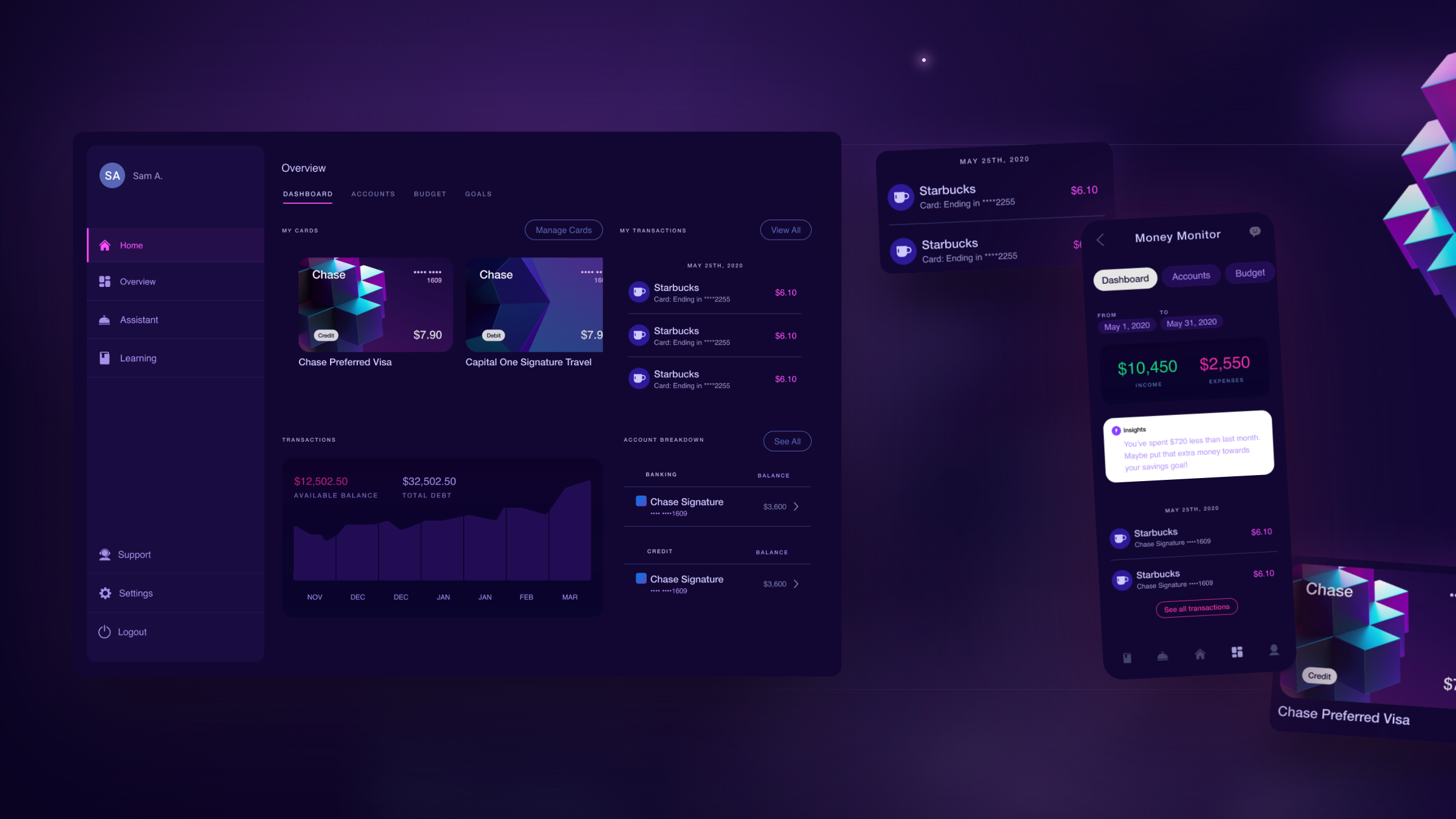
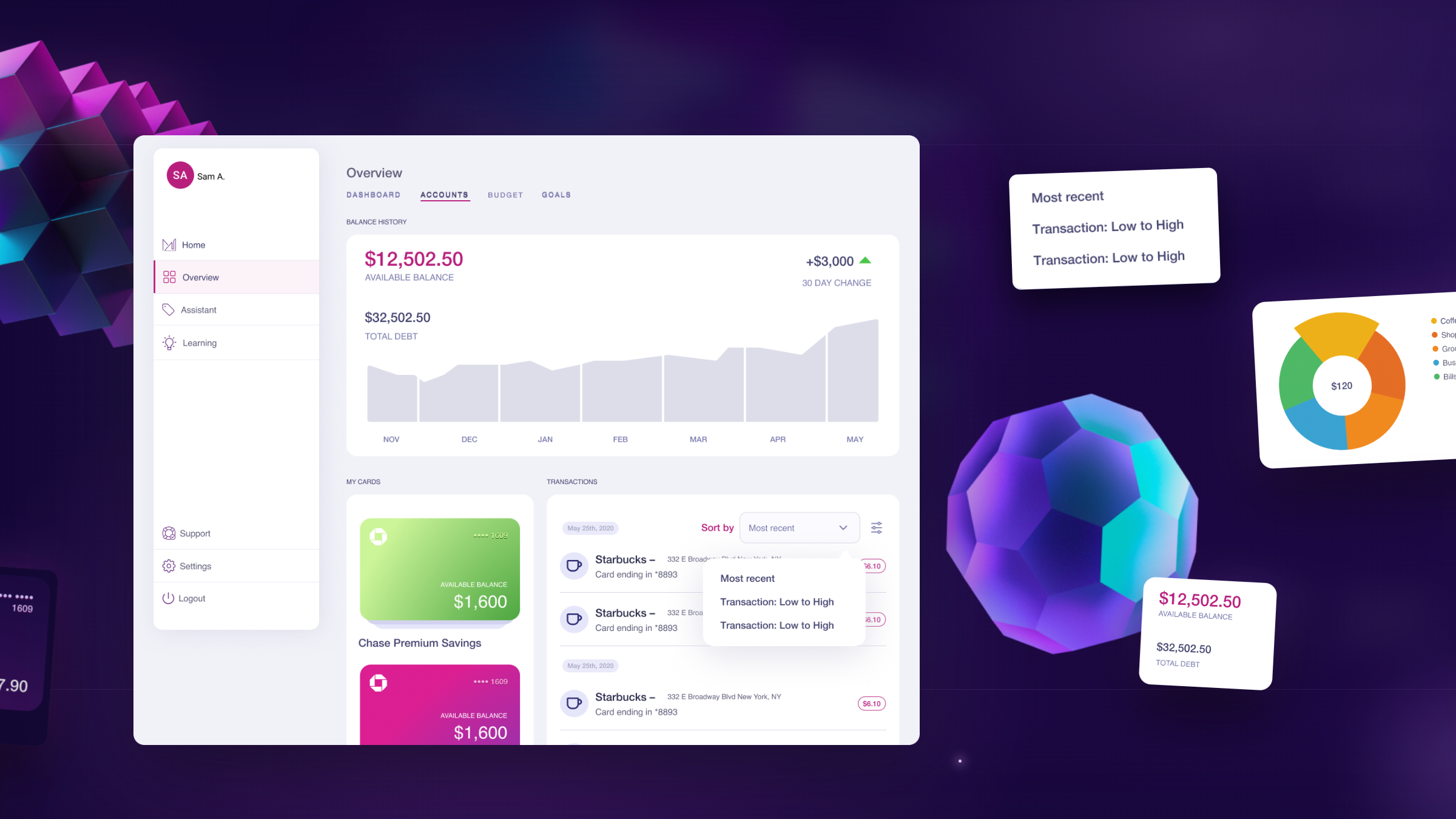
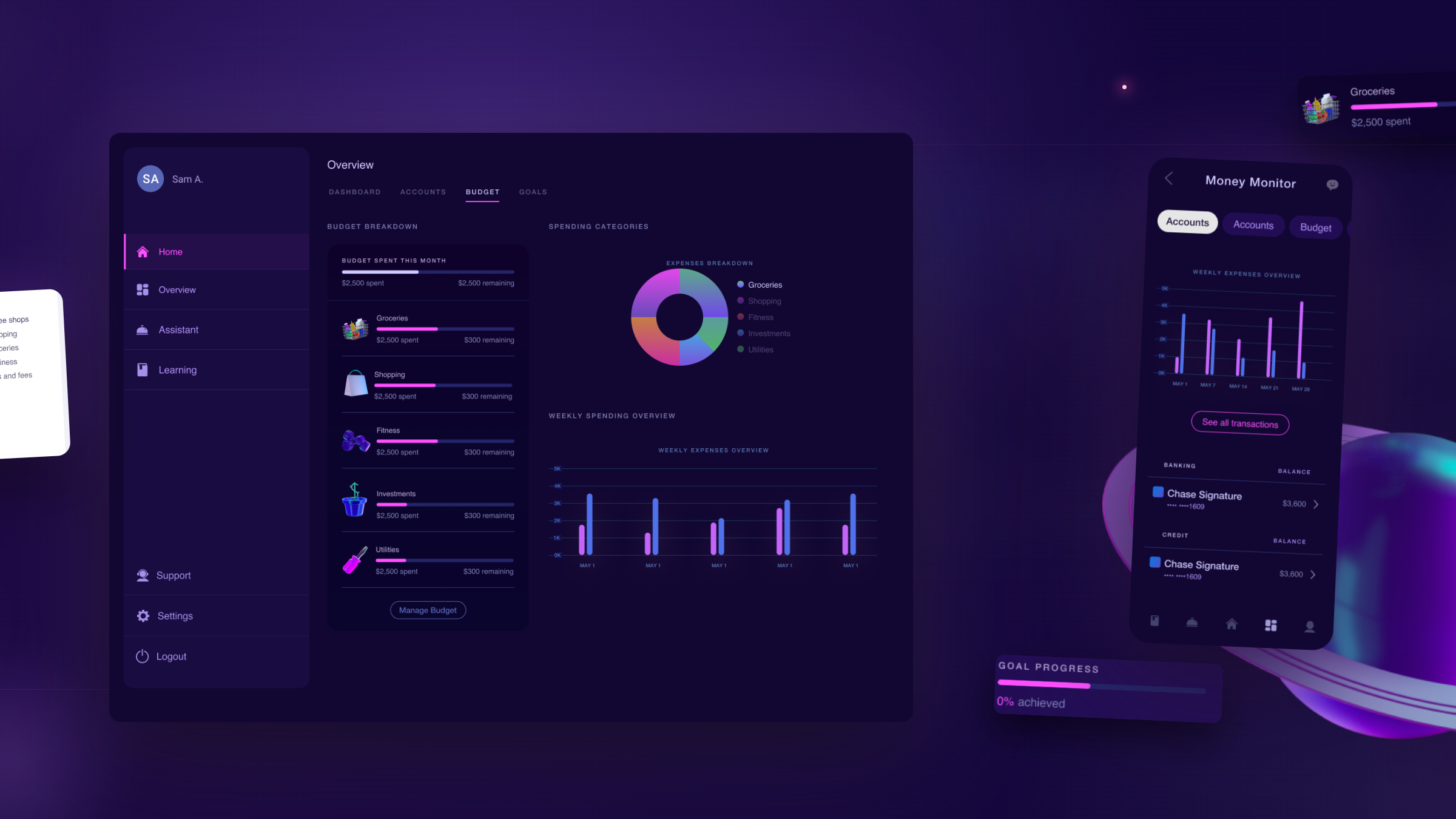
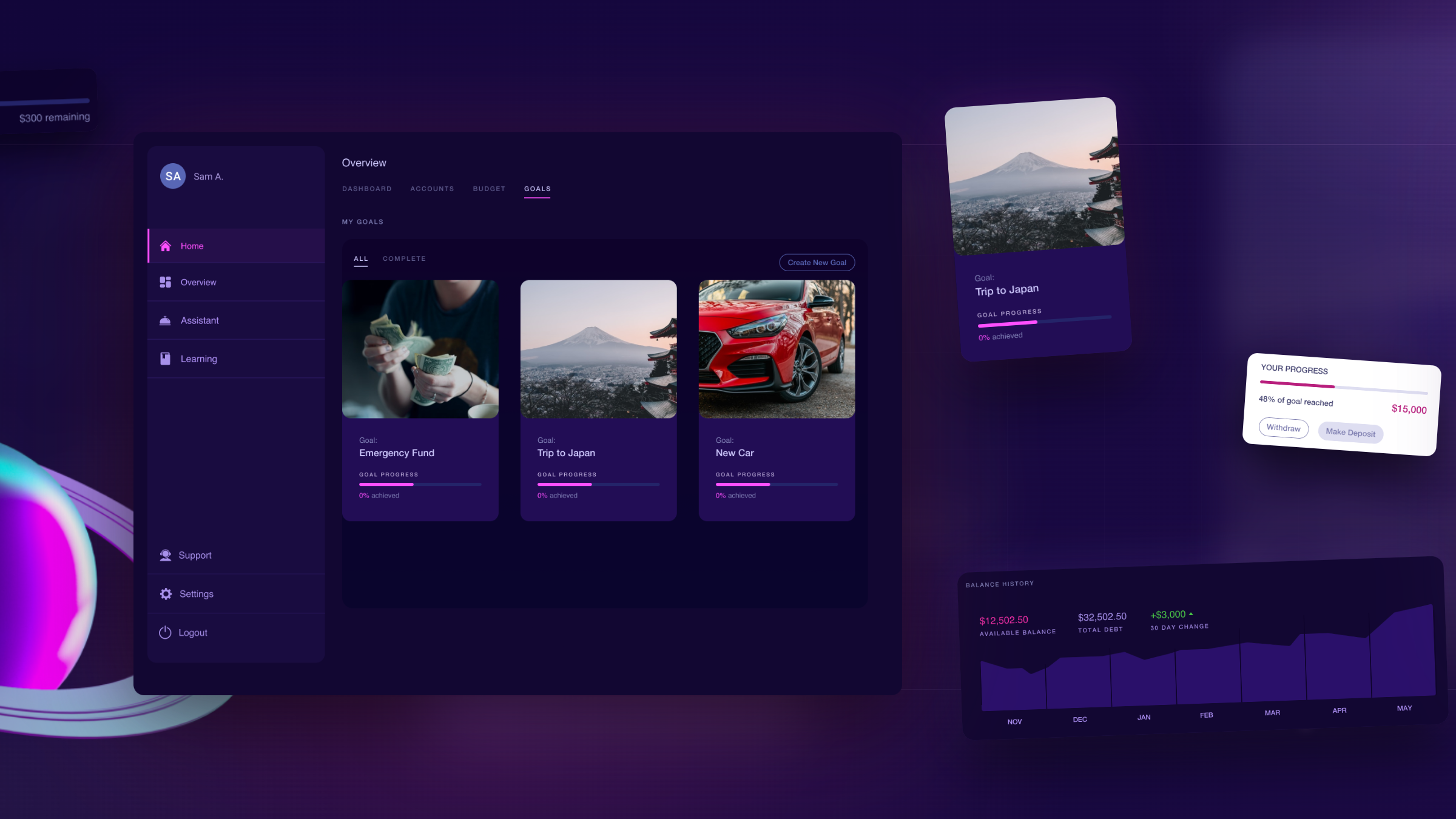
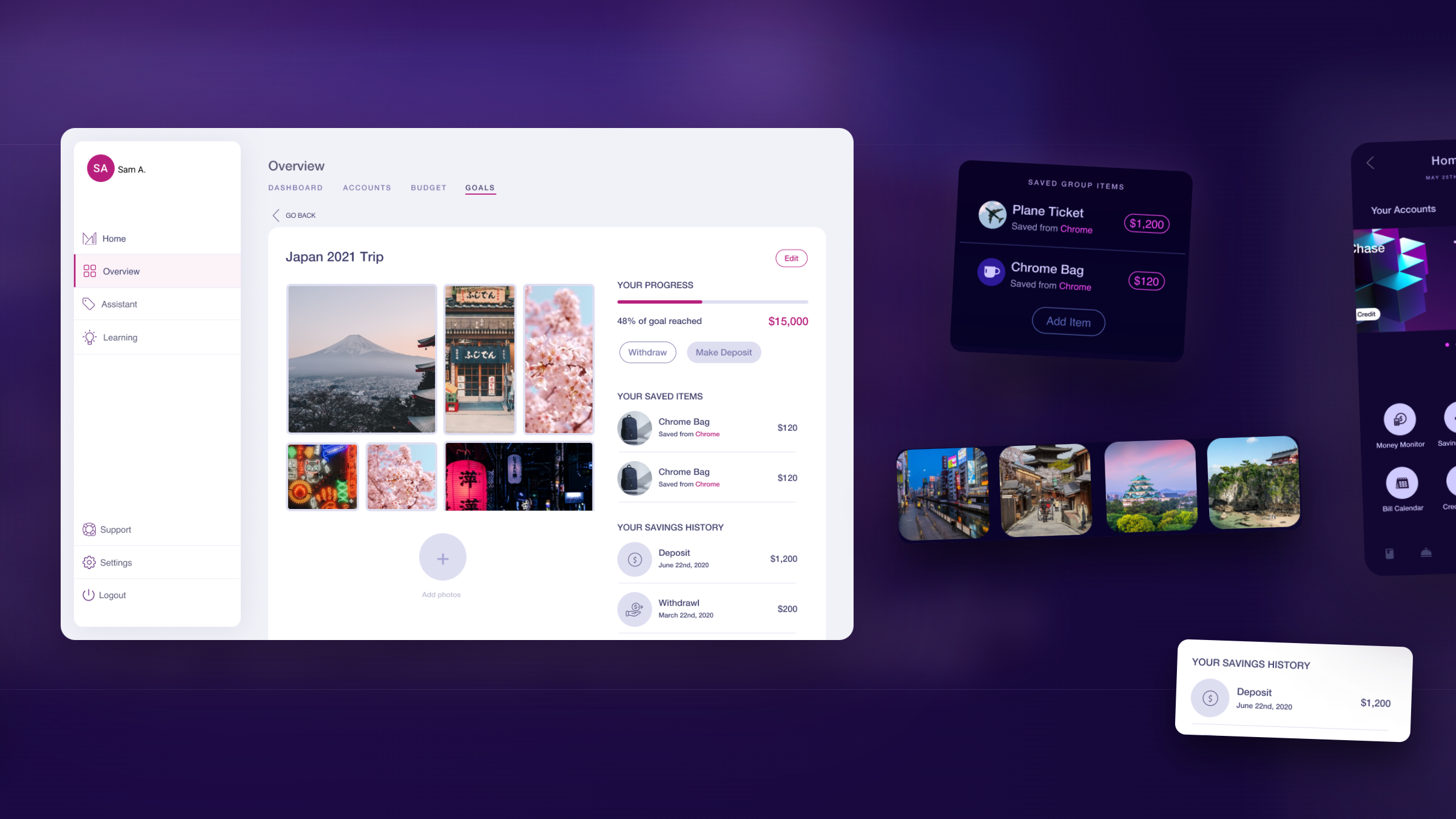
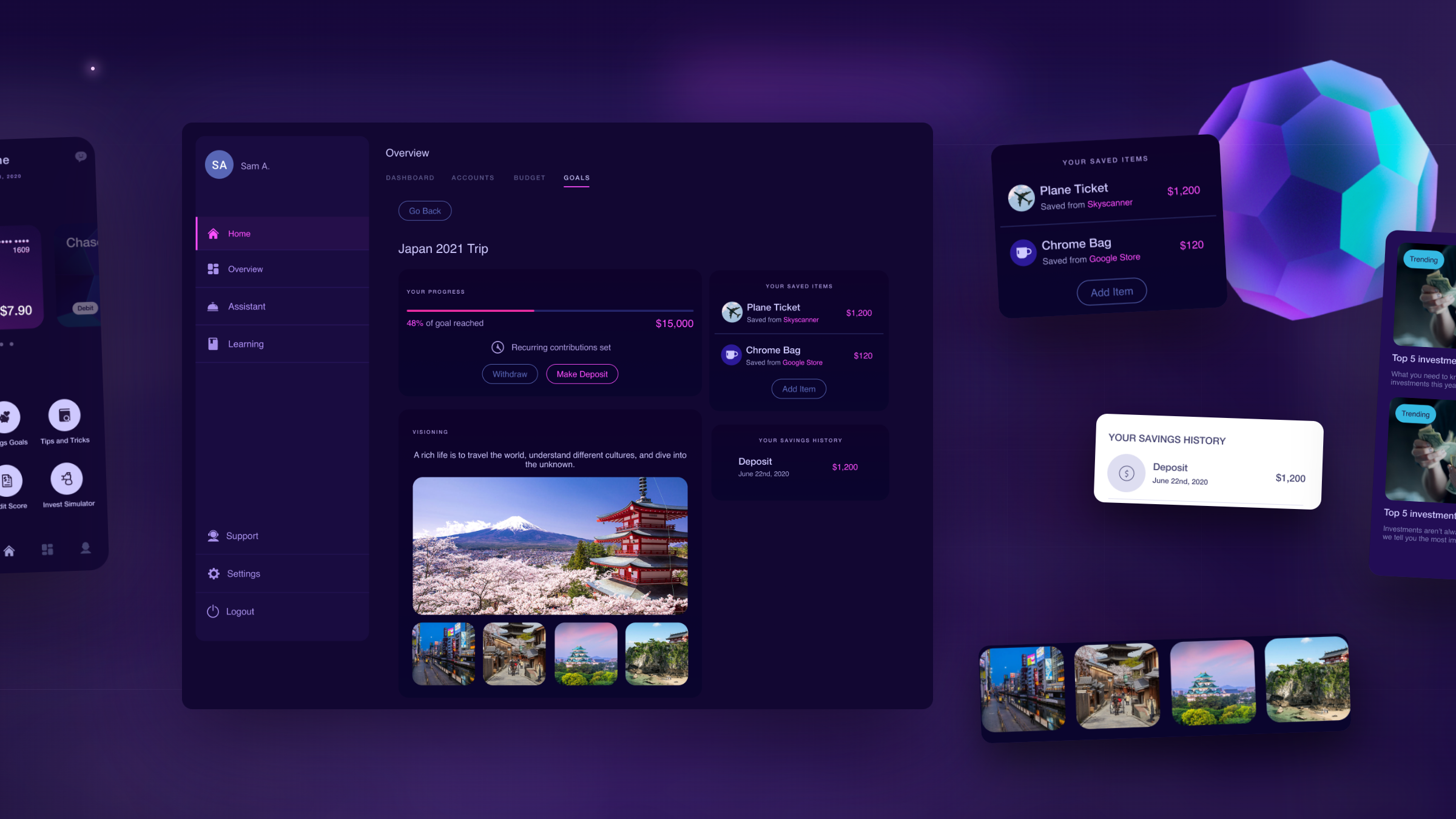
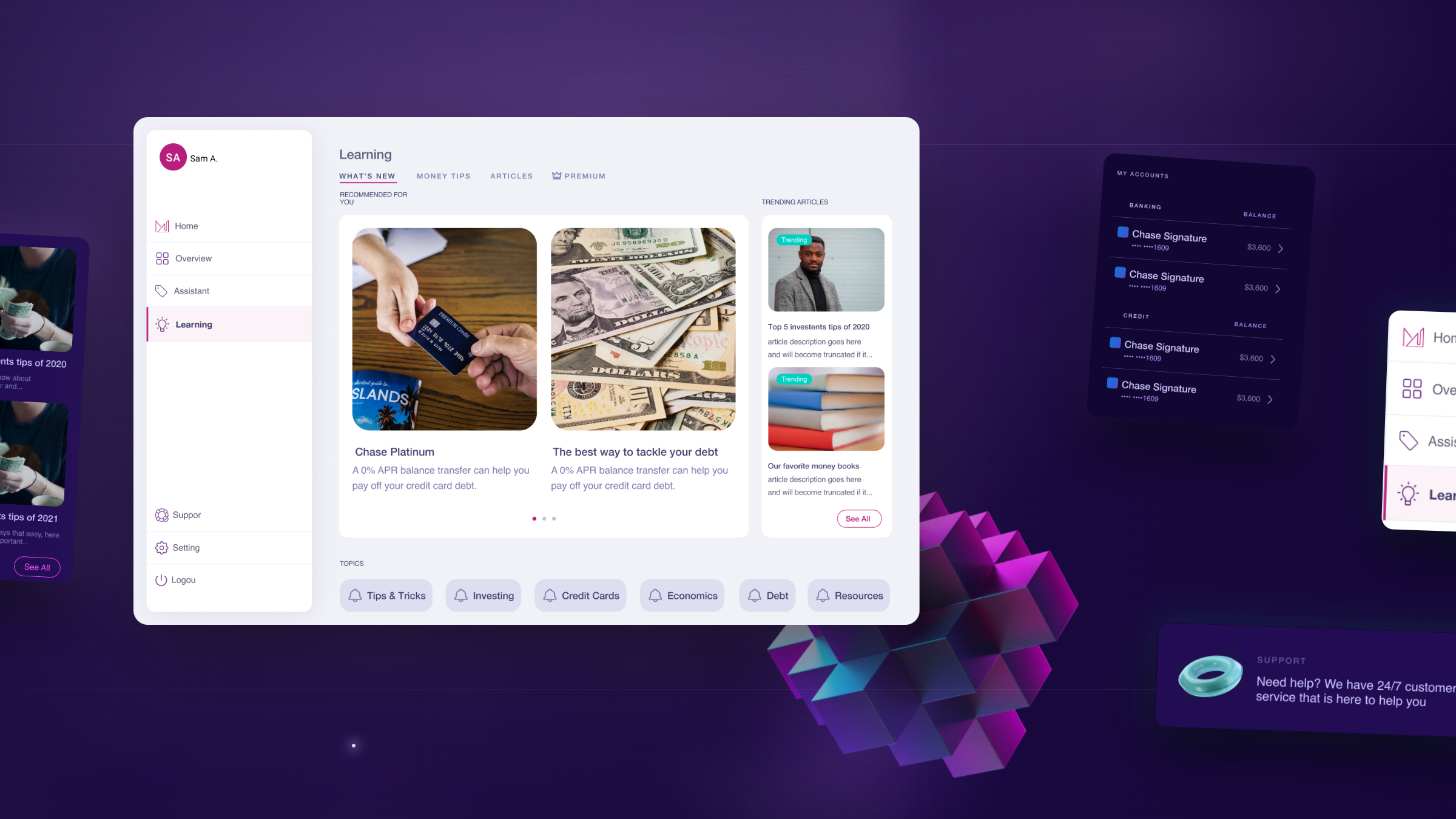
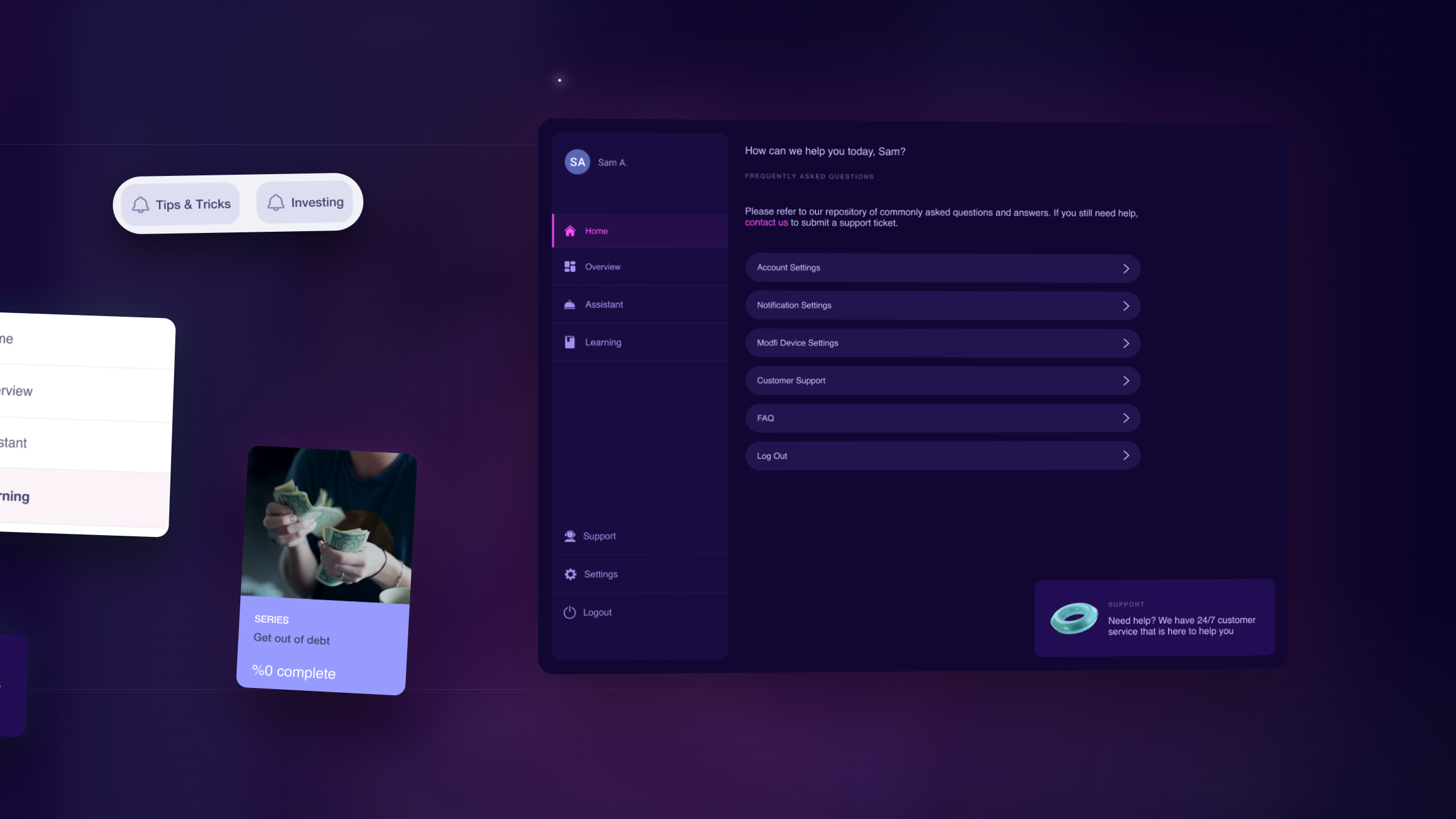
What the work produced.
ModFi started with a device, a patent portfolio, and no answer to the question of who it was for. It finished with a named buyer, a defined MVP, a designed product across three surfaces, and the investor materials that carried it into a raise.
Figures from qualitative user testing conducted during the engagement. In-market performance validation sits with MPL's internal team post-handoff.
We appreciate their adaptability and the way they go with the flow of new ideas we throw at them. They do quality work, and always help us solve challenges that arise. They are agile and accommodating to our specific needs.