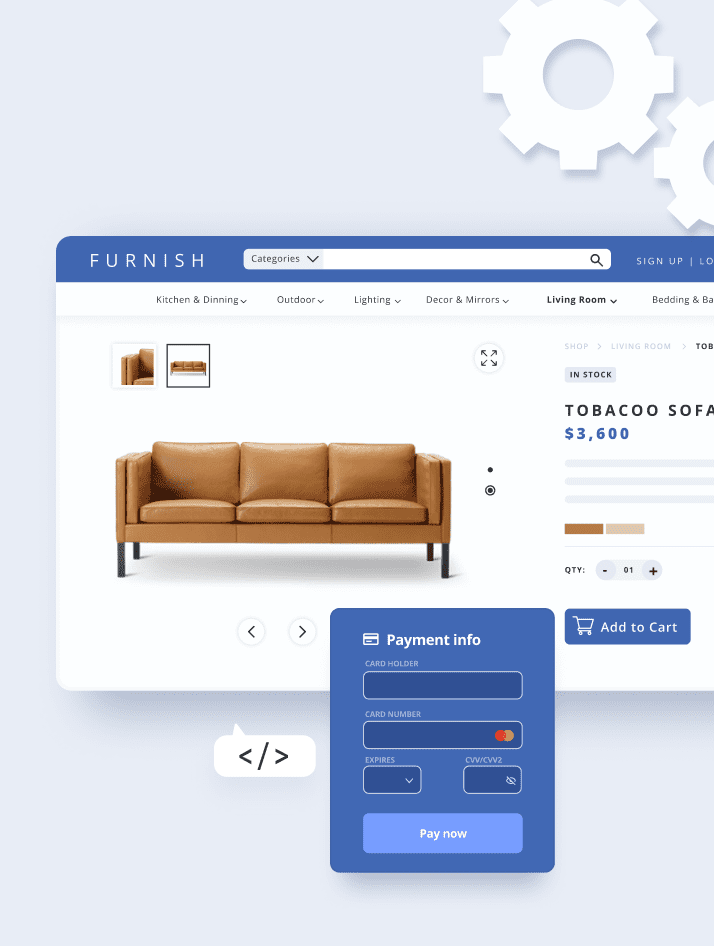



User Experience (UX) design has gained immense importance in the digital age as businesses strive to create products and services that deliver exceptional user experiences. As a result, professionals seeking to enter or advance in the UX design industry often explore various certification programs to enhance their skills and credentials. One prominent option is the Google UX Design Certification, offered through the Google UX Academy. This article will delve into what the Google UX Design Certification entails, examine its pros and cons, and ultimately determine whether it's a worthwhile investment for aspiring UX designers.
What is the Google UX Design Certification, and How Does it Work?
The Google UX Design Certification is an online program developed by Google to train individuals in the fundamentals of UX design and user research. The course aims to equip participants with the knowledge and skills to design user-centered digital experiences across various platforms. The program is self-paced, allowing participants to learn at their convenience, making it ideal for those who have full-time commitments or prefer a flexible learning schedule.
The certification comprises a series of video lectures, hands-on projects, and quizzes, all led by experienced industry professionals. Participants will learn about user research, information architecture, interaction design, and usability testing, among other key concepts. The curriculum focuses on real-world applications, enabling learners to work on practical projects that simulate actual UX design scenarios. Completing the certification is contingent on demonstrating a solid grasp of the course material through project submissions and assessments.
Learning UX Design with Google UX: The Pros
- Industry-Recognized Credential: The Google UX Design Certification carries the weight of the Google brand, which is widely recognized and respected in the tech industry. Earning this certification can bolster your resume and increase your chances of standing out to potential employers or clients.
- Comprehensive Curriculum: The program covers a broad spectrum of UX design topics, providing a well-rounded education in various aspects of the field. Participants gain valuable insights into the end-to-end UX design process, from conducting user research to crafting intuitive interfaces.
- Hands-On Experience: The emphasis on practical projects allows participants to apply their learning in real-world scenarios. This experiential learning approach ensures graduates are better prepared to handle design challenges.
- Self-Paced Learning: The program's flexibility allows learners to study at their own pace, accommodating busy schedules and enabling those with different learning speeds to grasp the material thoroughly.
Learning UX Design with Google UX: The Cons
- Limited Interaction with Instructors: While the self-paced nature of the program is a pro for some, it may be a drawback for those who prefer more guidance and interaction with instructors. As the certification is entirely online, participants may miss out on the benefits of face-to-face learning and immediate feedback.
- Availability and Cost: The Google UX Design Certification may only sometimes be available, as enrollment periods are limited. Additionally, the program comes with a fee, making it less accessible to individuals with financial constraints.
- Lack of Specialization: While the certification covers essential UX design principles, it may not offer in-depth training in specific subfields like UX writing, service design, or accessibility. Aspiring UX designers with more specialized career goals might need to supplement their learning with additional courses or workshops.
- Competitive Job Market: The UX design industry is highly competitive, and while the Google UX Design Certification is valuable, it's essential to recognize that it is not a guaranteed ticket to landing a job. Employers often seek practical experience, a strong portfolio, and a genuine passion for user-centric design.
Our Score on the Google UX Design Certification
The Google UX Design Certification offers a valuable learning experience for those looking to enter the UX design industry or upskill in their current roles. The comprehensive curriculum, industry recognition, and hands-on projects make it a compelling choice for aspiring UX designers seeking to gain foundational knowledge in the field.
However, it's crucial to consider individual preferences and career aspirations. If you value flexibility, self-paced learning, and a broad overview of UX design, the Google UX Design Certification is worth serious consideration. On the other hand, if you prefer a more structured, instructor-led program with specialized tracks, you should explore other certification options.
Ultimately, the certification's value lies in aligning with your specific goals and complementing your existing skill set. Pairing the Google UX Design Certification with a strong portfolio, relevant internships, or practical work experience can significantly enhance your chances of success in the competitive UX design job market. Certifications are valuable, but they should be considered part of a broader strategy to build a successful UX design career.
Considering the pros and cons discussed in the article, I would give the Google UX Design Certification a score of 8 out of 10.
The program's industry recognition, comprehensive curriculum, and hands-on experience are strong points that make it a valuable option for individuals seeking to enter the UX design field or improve their skills. The self-paced learning format is advantageous for those with busy schedules or different learning speeds, and the Google brand adds credibility to the certification.
However, the program's limited interaction with instructors and availability only during specific enrollment periods are minor drawbacks. Additionally, some individuals with specialized career goals may find that the certification needs more in-depth training in certain subfields of UX design.
Overall, the Google UX Design Certification is a solid choice for aspiring UX designers. When combined with other experiences and a strong portfolio, it can significantly boost career prospects in the competitive job market. If you’d like to explore more options here’s a list of 11 certifications and bootcamps that might boost your UX career.