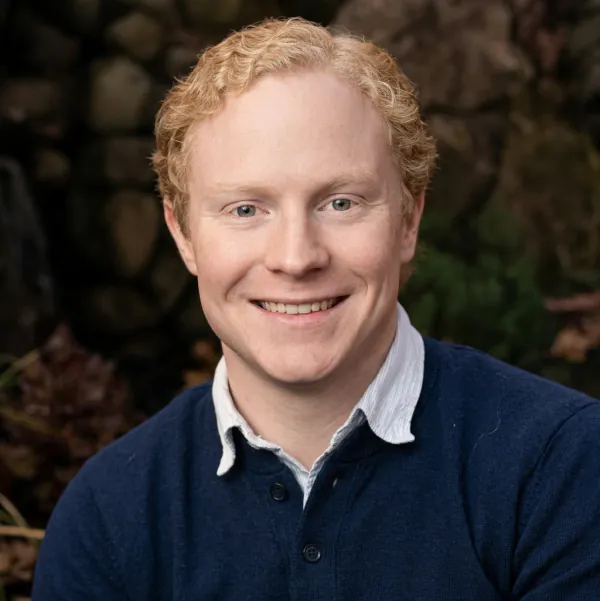

Persona 01
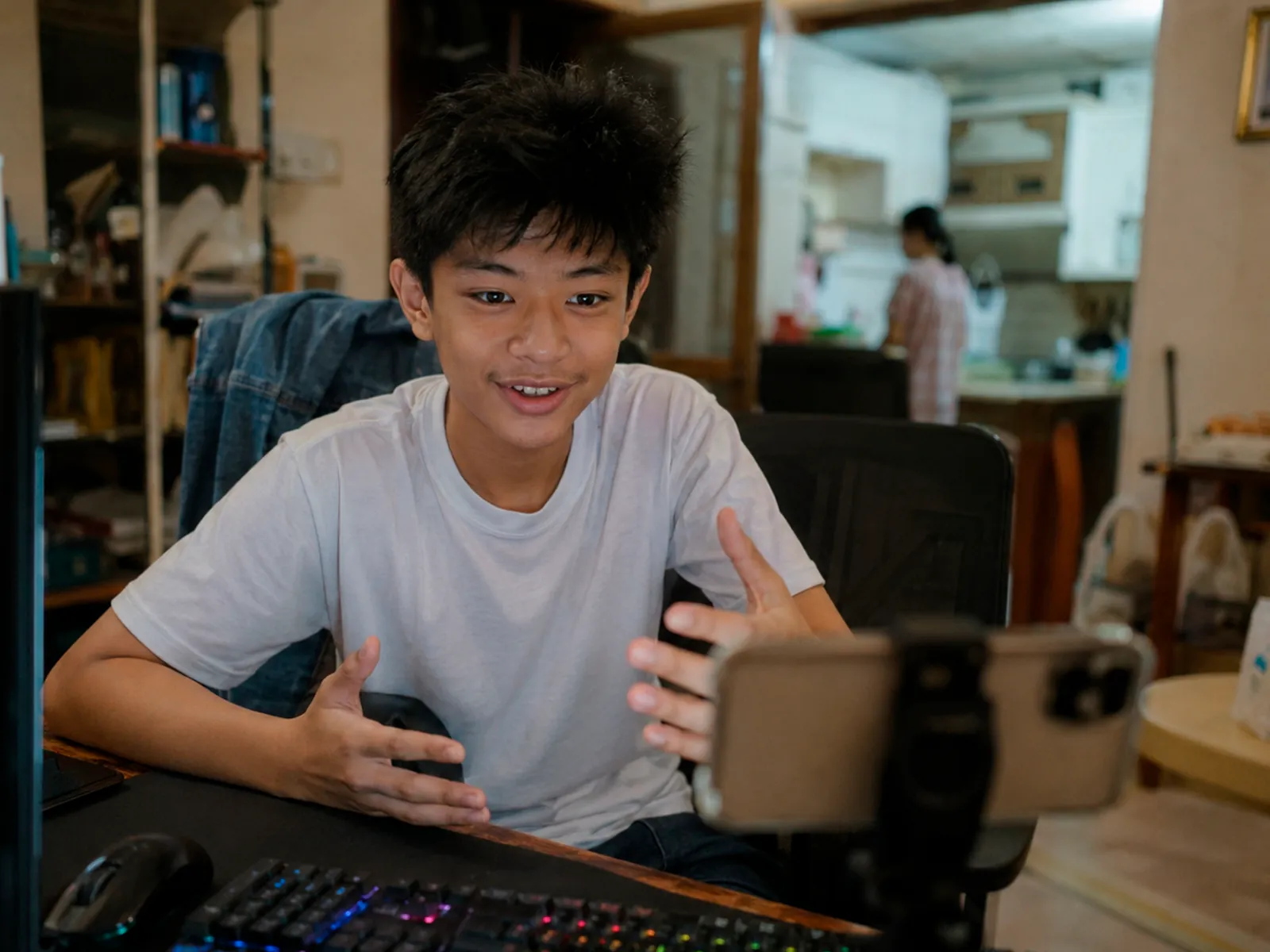
Alex, the student.
Builds worlds in his favourite games after school and has started vlogging his own takes on them. Wants to make a player map of his own, and somewhere to get good enough to do it.
age 14
learning
Parent-backed
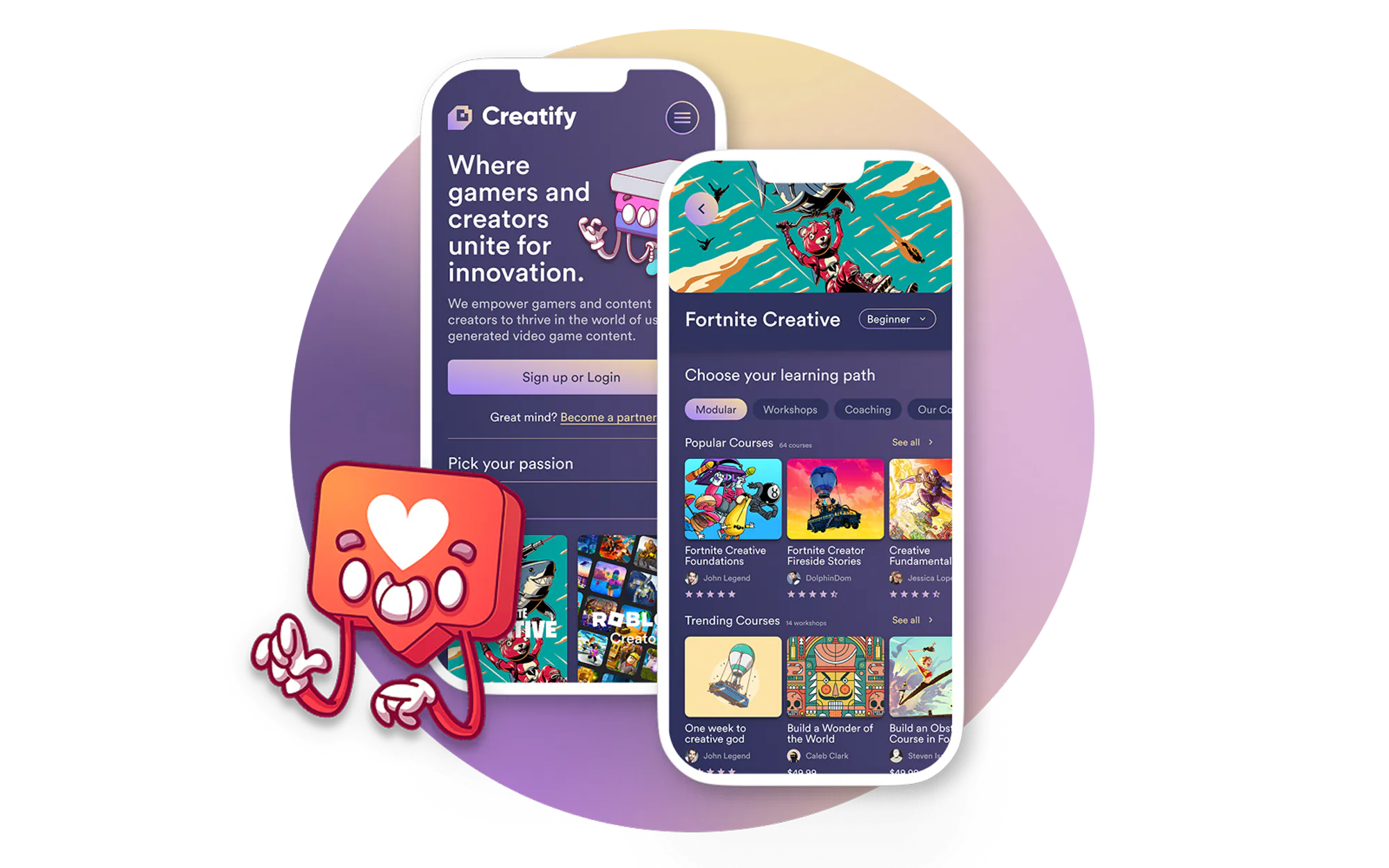
Nine gamer interviews turned a stalled matchmaking app into Creatify, an investor-funded learning platform now teaching game creation in DC-area K-12 school districts.
Scedugame, Inc. launched as a social networking app for video game players, matching and connecting people by the games they played, their skill level, their interests, and their gaming habits. Its founder, Liam Thurman, had crowdfunded the idea out of Washington, D.C., raising $2,290 from 35 backers on Kickstarter in early 2021.
What the product had not found was the behaviour underneath it. By 2023 Thurman was ready to pivot, and he arrived at Wandr with an interest in mental health and wellness in gaming and an open question rather than a specification: what would actually help gamers build deep, meaningful connections? He was explicit that he wanted research to answer it, even if the answer took him somewhere he had not planned to go.
The brief was a question,
Not a Product.
A founder with a live app and a funded launch behind him had a product the market would not take, no evidence for what to build instead, and a community that is famously hard to reach for research.
Matching gamers by game, skill level, and habits did not resonate with gaming communities, and the app never gained traction. The problem was not the execution. It was the idea underneath it.
The engagement opened on gaming and mental wellness, which is a subject rather than a product. Before anything could be designed, the real question had to be found and made narrow enough to test.
Gamers are difficult to recruit for research and quick to dismiss outsiders who do not speak the language. Nine hours of 1:1 interviews had to be earned before a single insight existed.
The initial engagement ran five weeks end to end, covering framing, research, concept development, and a recommended direction. Whatever came out of it had to be strong enough to put in front of investors.
To replace a theme with a product, Wandr ran nine 1:1 interviews of 60 minutes each with gamers, against three goals: understand their online habits, understand how they form connections, and validate a product vision. The sample skewed 25 to 34 (56% of participants) and male (89%), and a third played 15 or more hours a week.
A second discussion guide probed the teaching side of the concept with creators and coaches, and the whole study was read against nine benchmarked platforms, creator-payment models, and app-store performance data. Ten takeaways came out of it. Three reset the brief.
Gamers went to Discord to connect, Reddit for information, IGN for developer news, OP.GG for rankings, and YouTube or Twitch for tutorials. No single place held what they needed, and the search cost was highest exactly when the question was most specific. The gap was not another social network. It was somewhere to actually learn.
All nine said the presence of pro players would make a platform more credible and make them more likely to use it. Willingness to pay followed the same line: time with someone better than you was the one thing consistently worth money, and one participant was already buying it elsewhere.
Gamers learn by doing, by searching and commenting, and by watching pro players and tutorials. Silent observers turned out to be a real user type, reading everything and posting nothing. A platform that only rewarded posting would have lost most of the audience it was built for.
Builds worlds in his favourite games after school and has started vlogging his own takes on them. Wants to make a player map of his own, and somewhere to get good enough to do it.
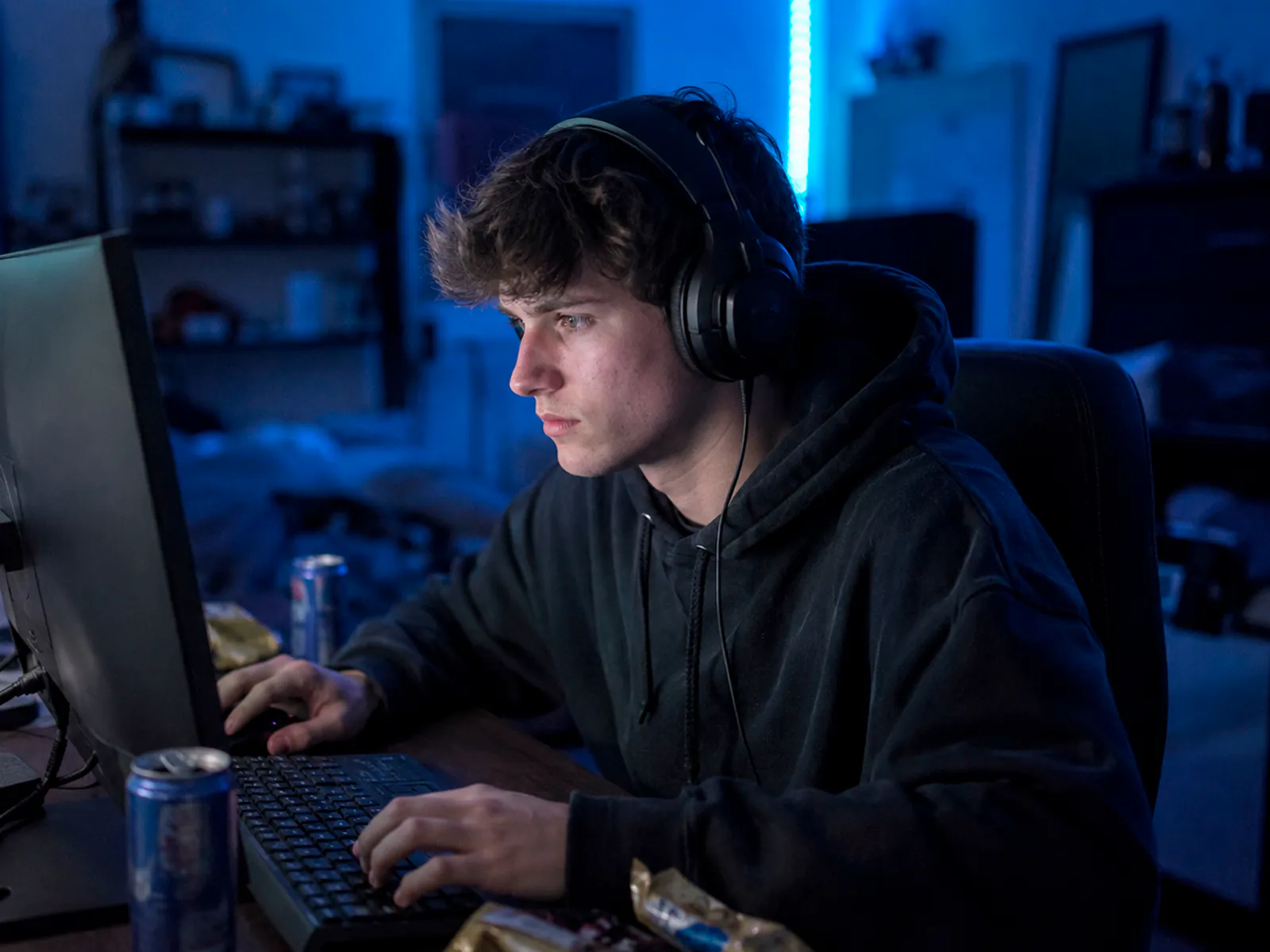
Has been gaming since he was four and has modded his favourite games with moderate success. Skilled, self-taught, and still waiting for anyone to notice.
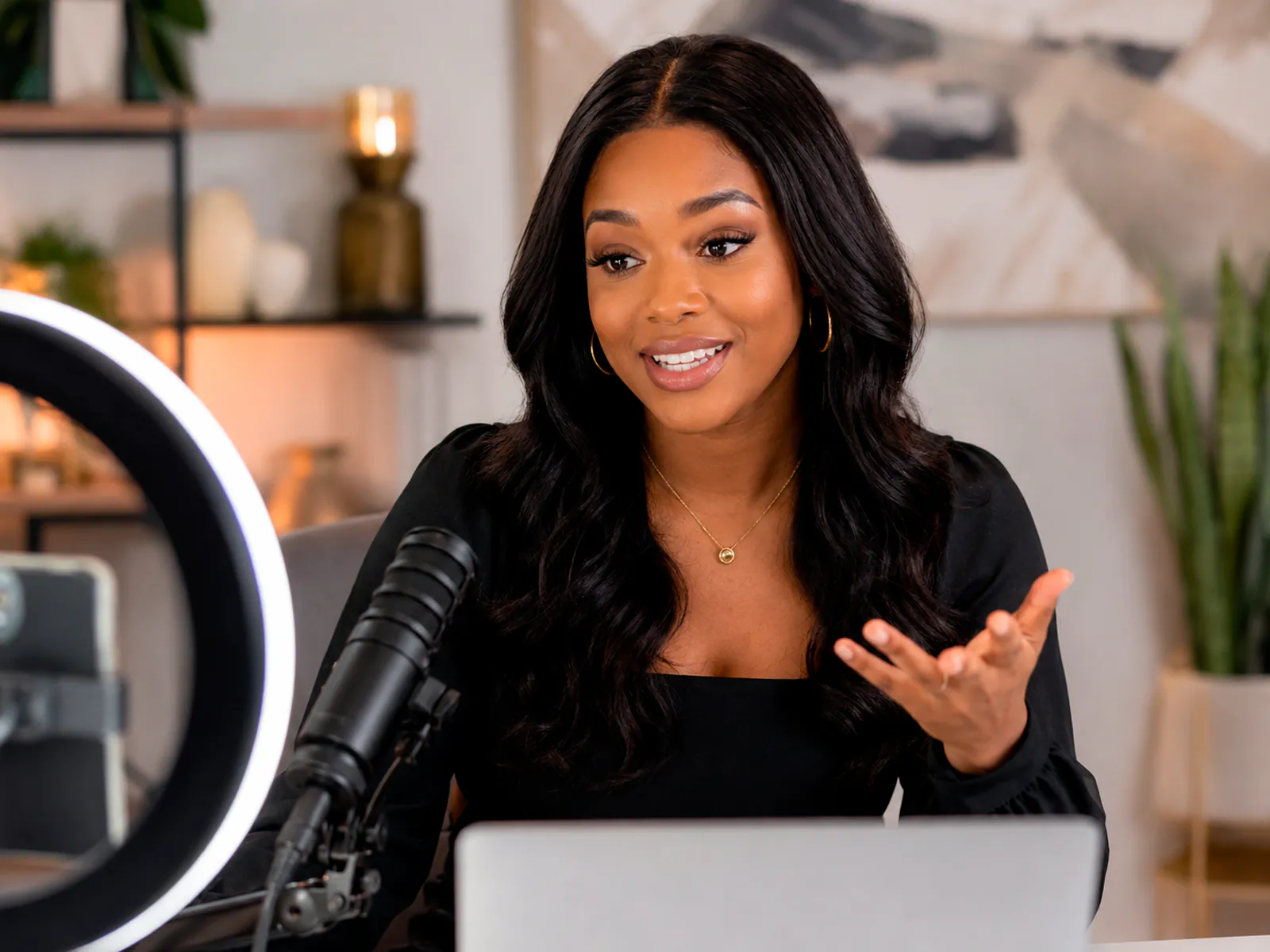
A streamer with a real following who wants to do more than play games online. Looking for a way to teach what she knows, schedule it, and be paid properly for it.

An independent game development studio that wants community challenges to surface talent, sharpen its titles, and put playtesting and UX help within reach.
Gamers sort themselves into communities inside communities, so the product had to let people filter by game, role, and skill tier rather than drop them into a general lobby where nobody is at their level.
Silent observers turned out to be a genuine user type, reading everything and contributing nothing, sometimes because they are introverted and sometimes to avoid the negativity. The concept had to be worth using for someone who never speaks.
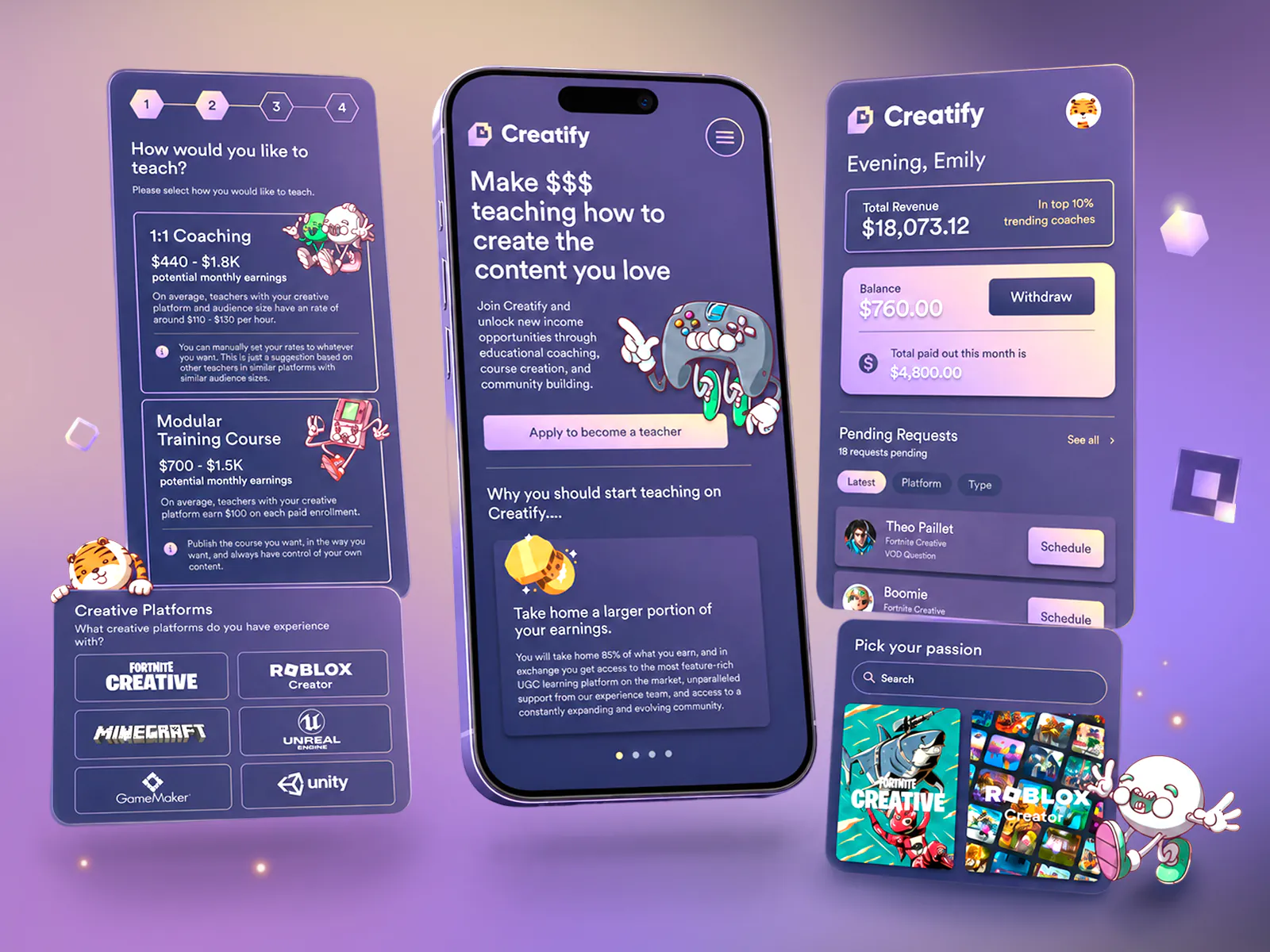
Connection was a by-product of learning, not a product in its own right. Wandr recommended a community built around making things: courses from industry creators, community challenges, and paid mentorship, with connection as the outcome rather than the pitch.
Every attempt to build connection directly ran into the same wall. Gamers already have their people, and they guard the circle. What they opened up for was skill: pro players for tactics, creators for tricks, mentors, and the communities that made them better at the thing they love. Connection was never the product. It was what happened on the way to getting good, and that reframe turned a matchmaking app into an education company.
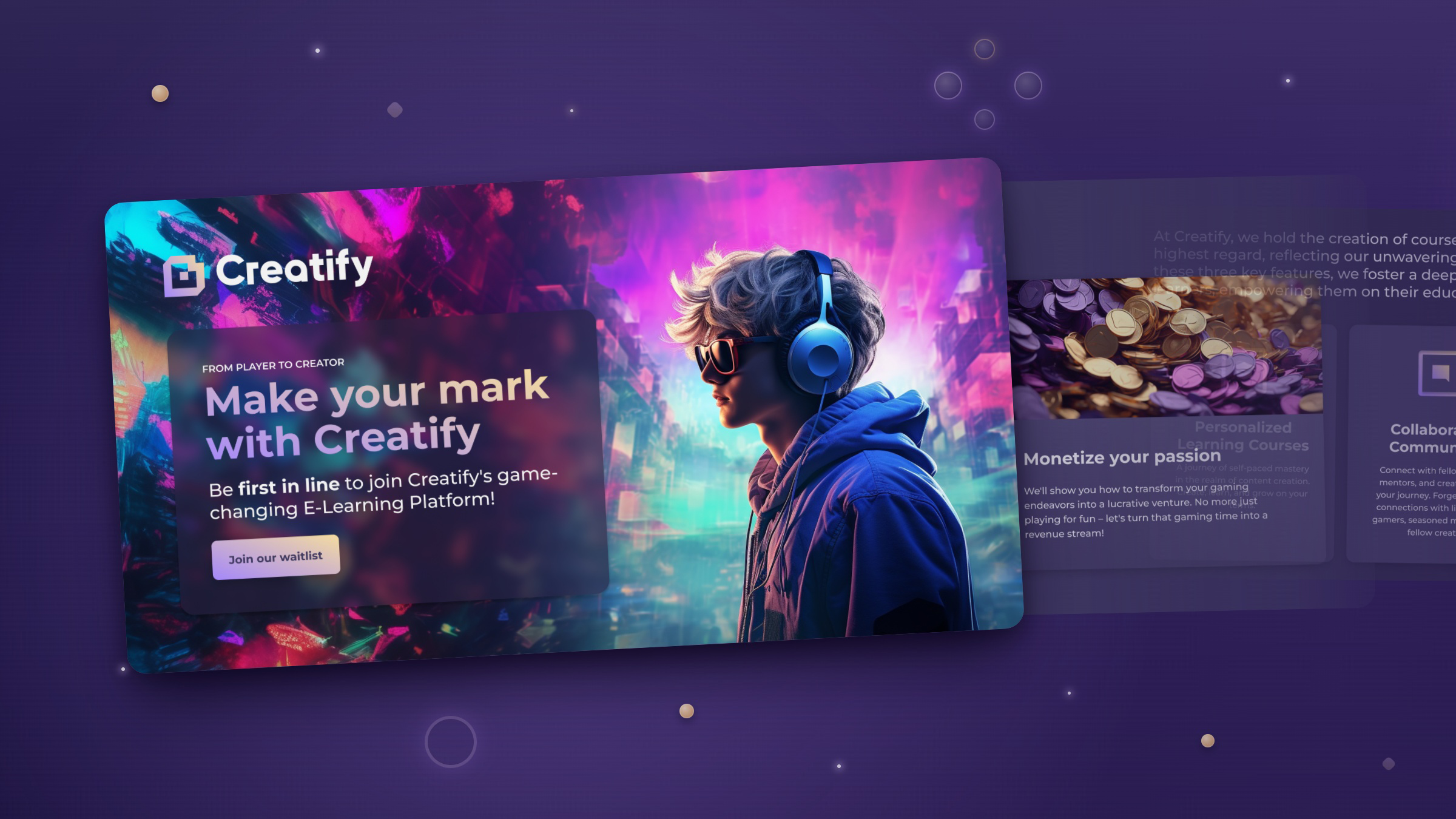
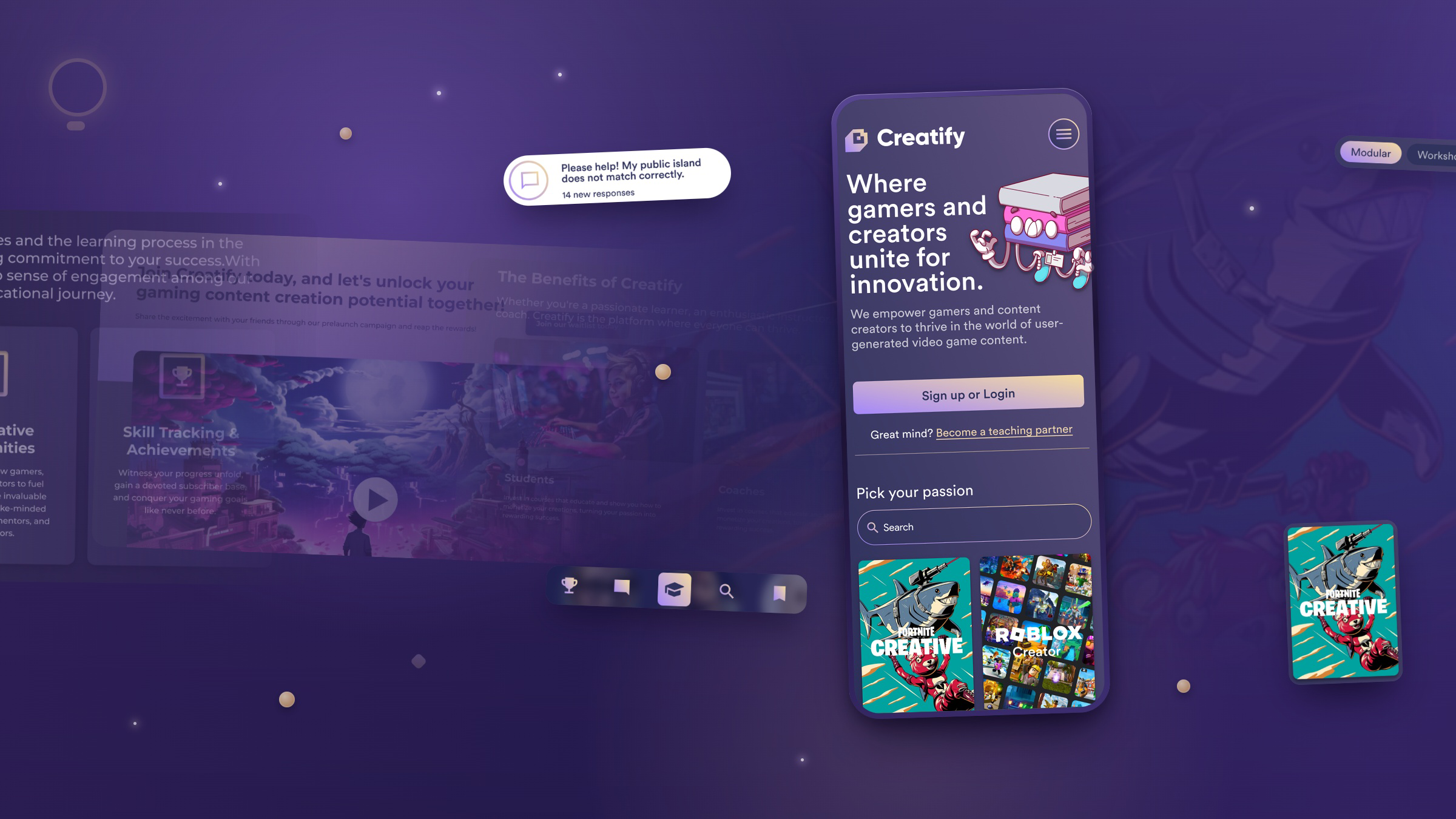
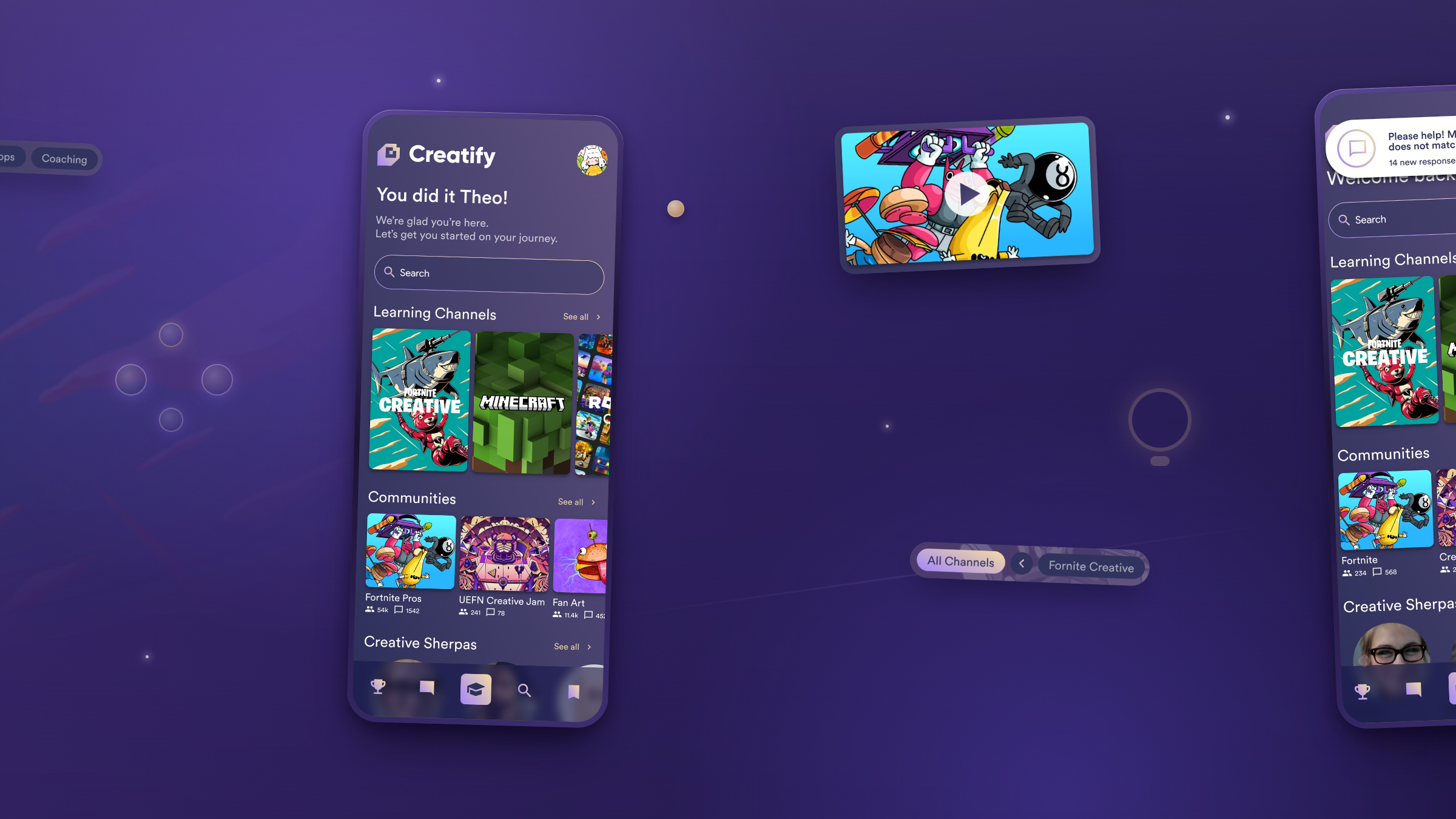
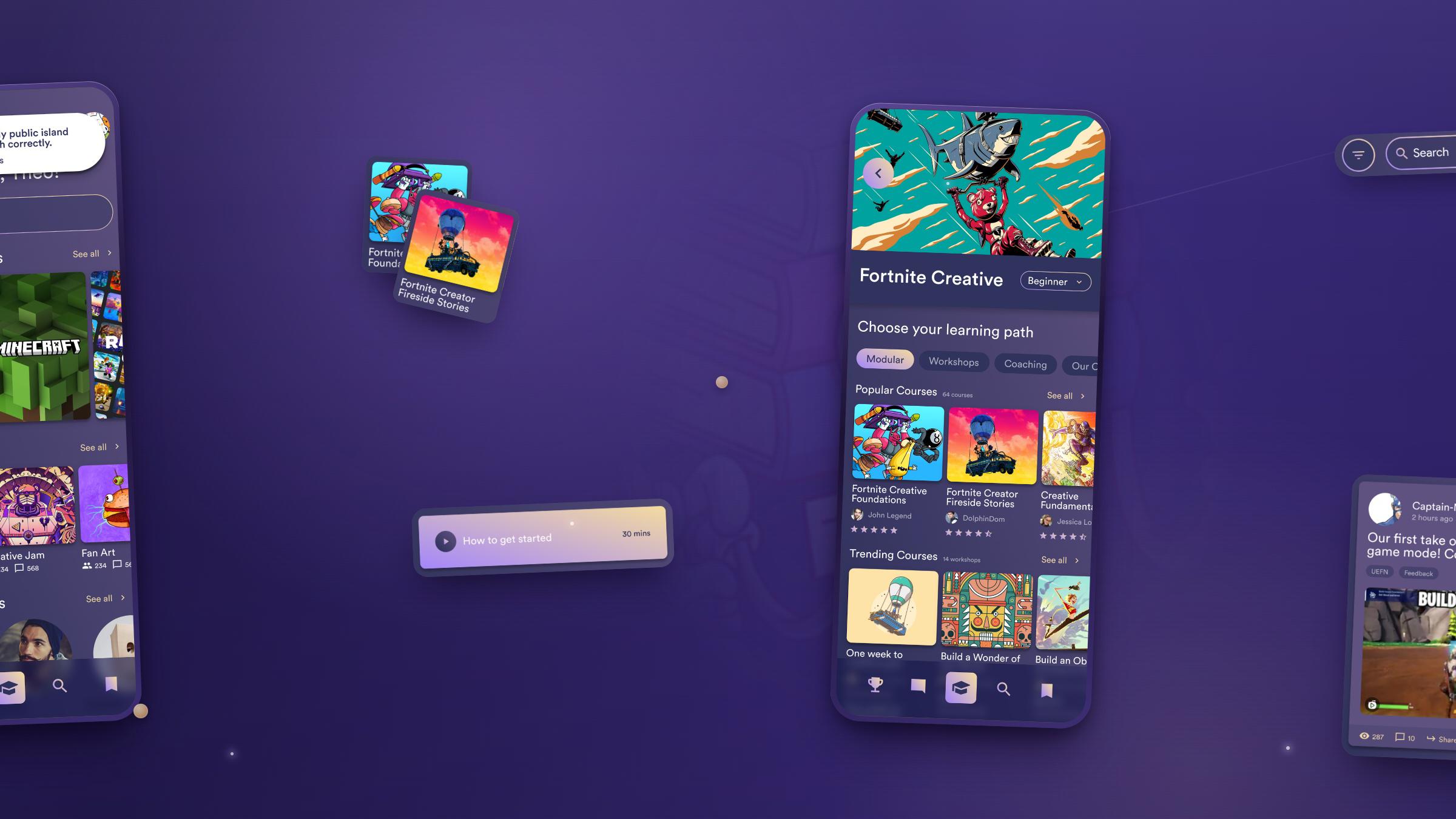
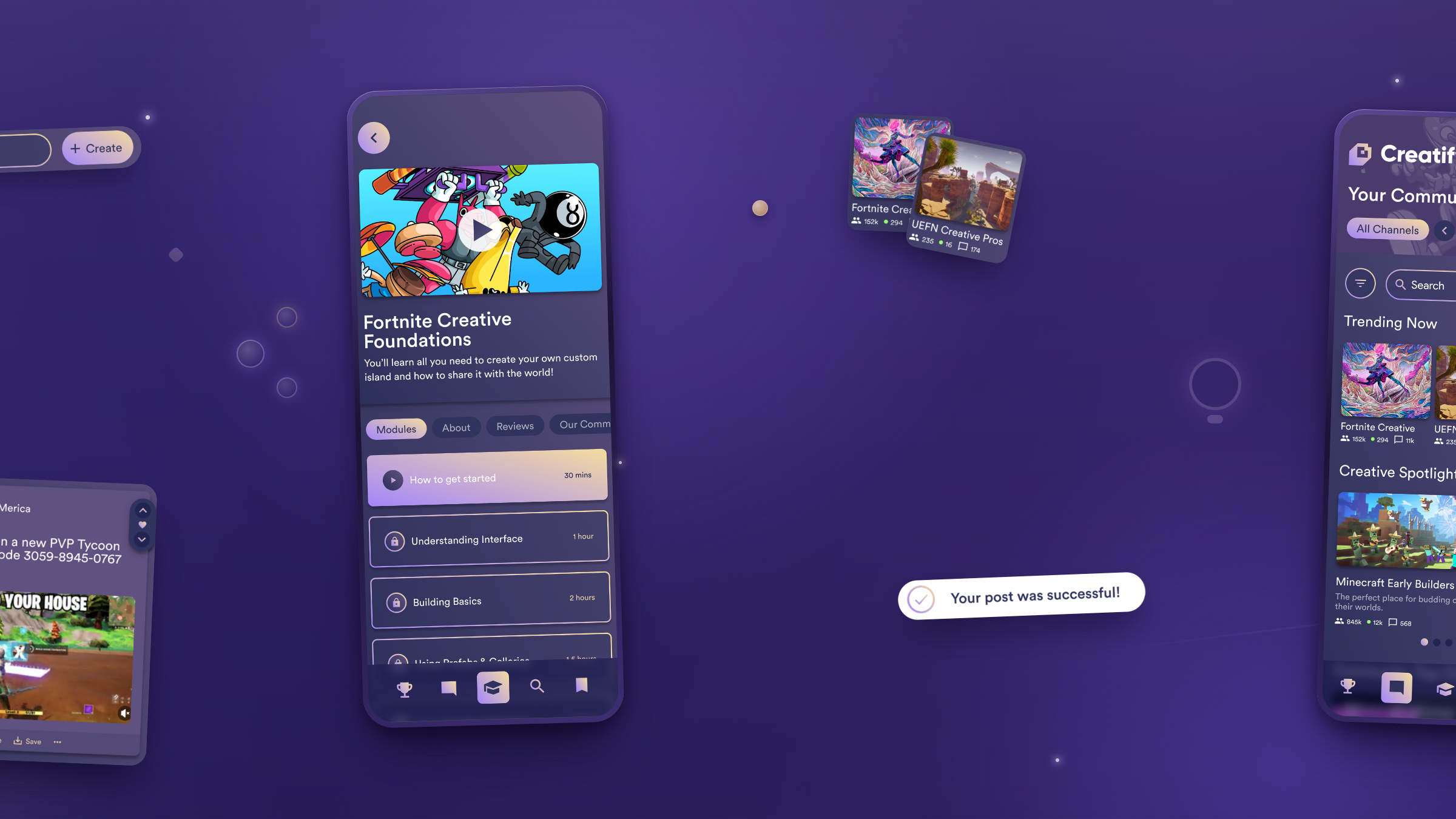
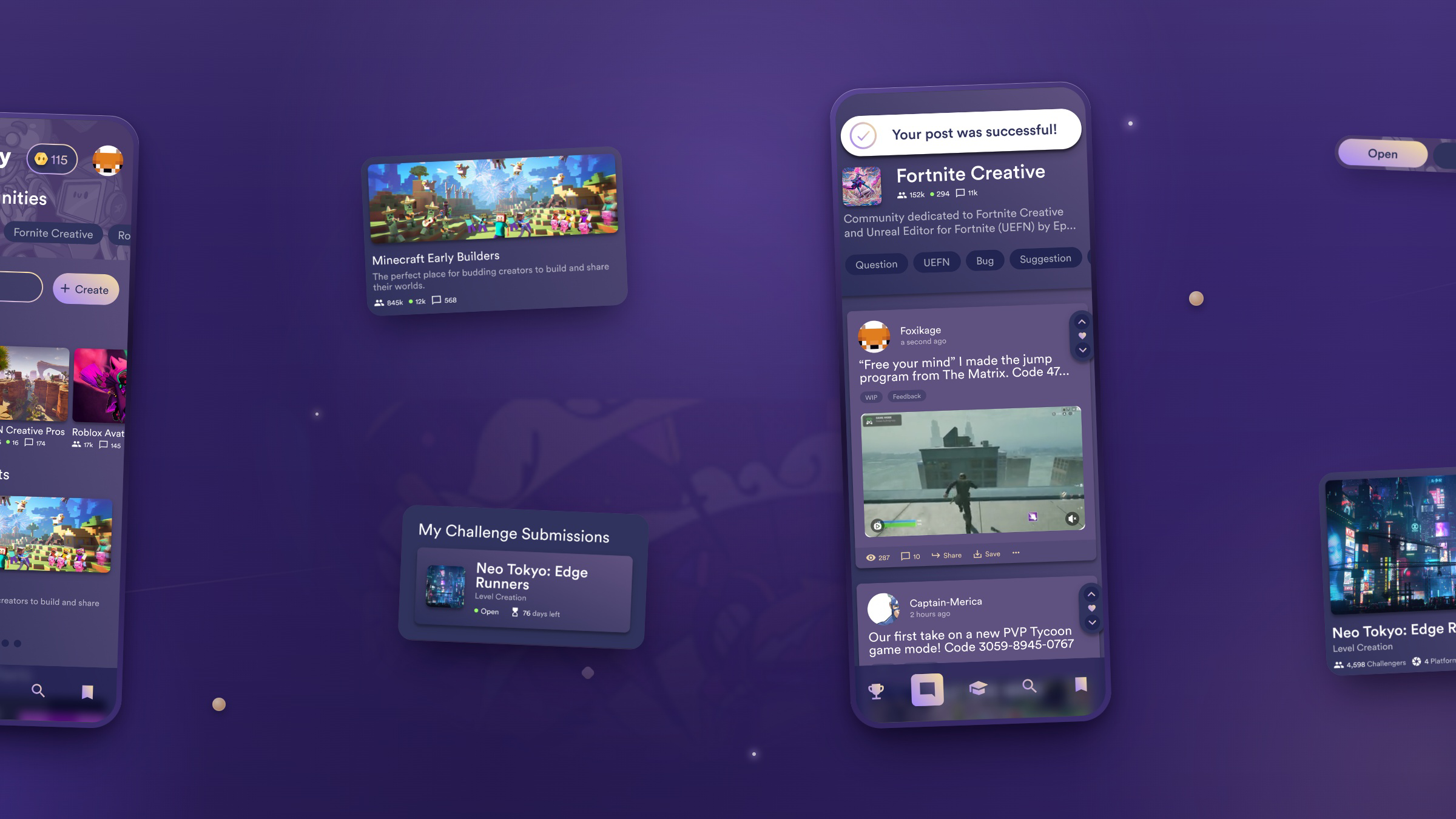
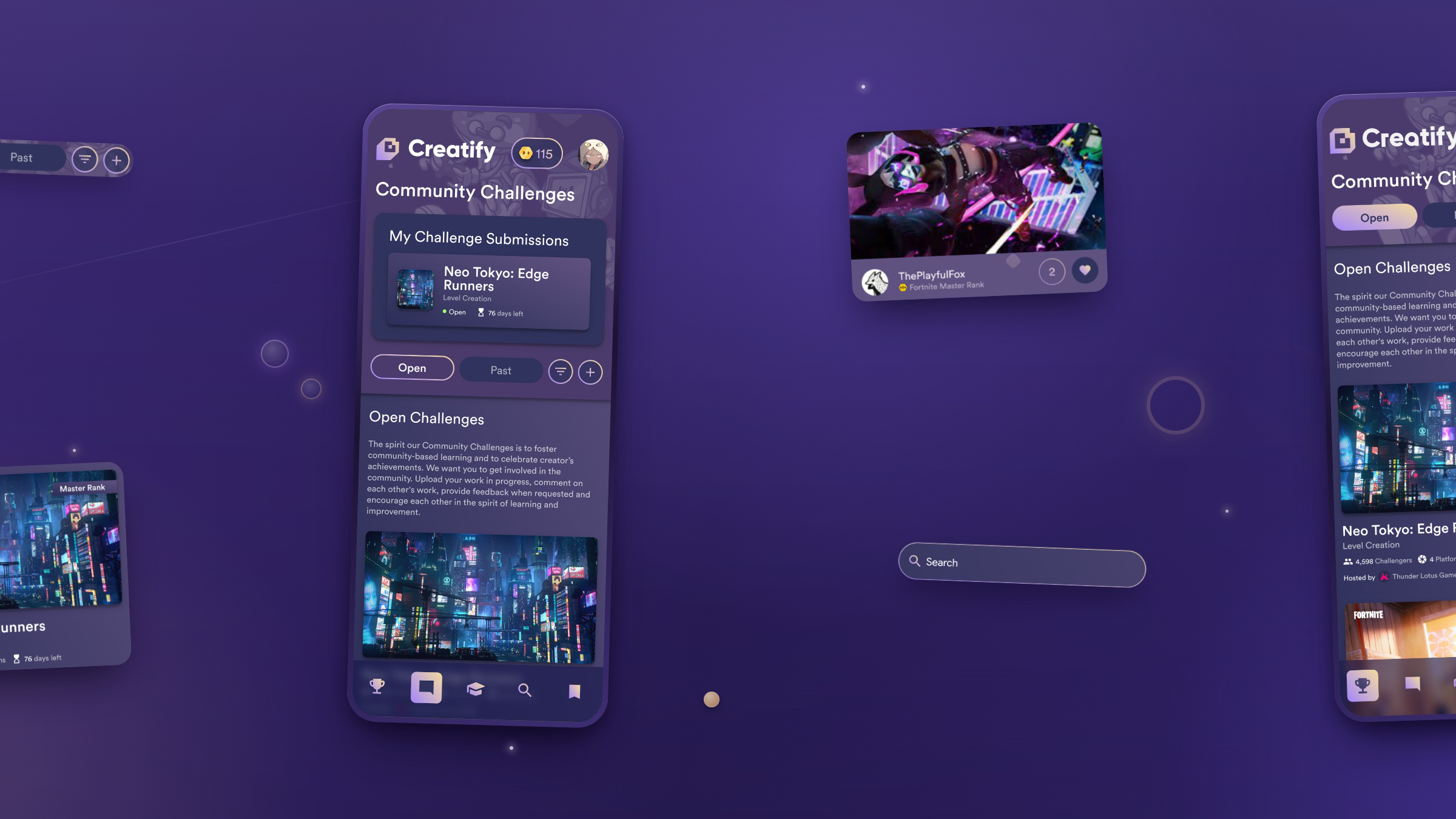
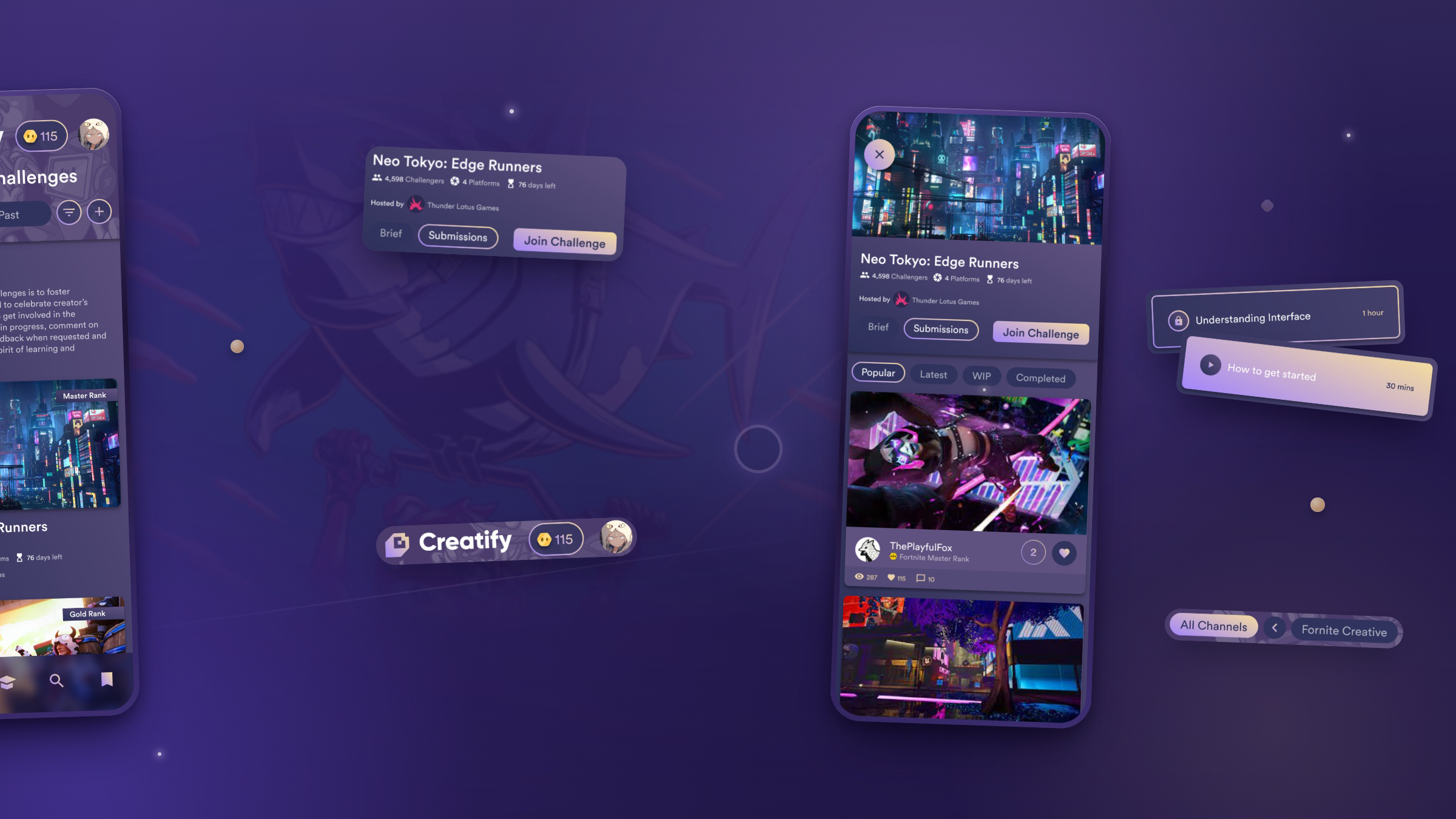
The repositioning did what it was built to do. It gave the company a story investors backed, a product schools would pilot, and a name it still trades under.
Funding and partnership outcomes are client-reported. No engagement-level performance metric, such as revenue or enrolment, was captured. Research figures are drawn from Wandr's nine-participant study and competitive benchmark.
Working with Wandr was a pivotal moment for our company. They helped us uncover an entirely new opportunity in the gaming industry and guided us through a strategic pivot with incredible insight and creativity. Their expertise in research, branding, and product design transformed our vision into a compelling platform that secured investor interest and opened doors to meaningful partnerships. We couldn't have done it without them.