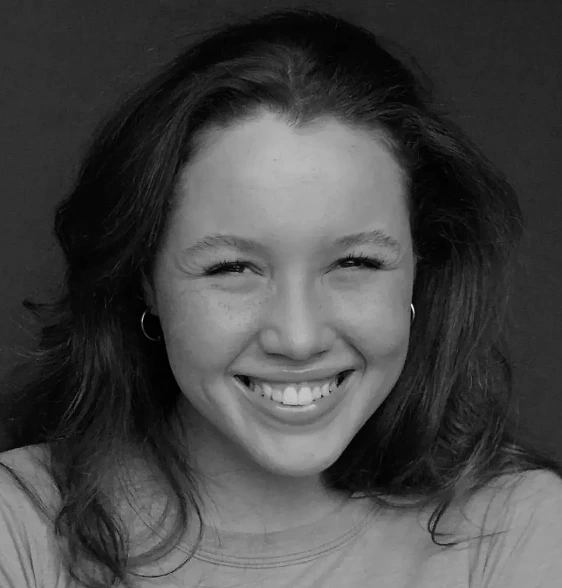

Persona 01

Mia, 17.
High schooler in LA, diagnosed with CF at twelve. Anxiety arrives without warning, and she is not a fan of closing her eyes for long.
CF
ANXIETY
Goal-led
In under five weeks, WANDR took Checkout from an idea to a user-tested prototype and an investor-ready pitch, built on interviews with the teens it was designed for.

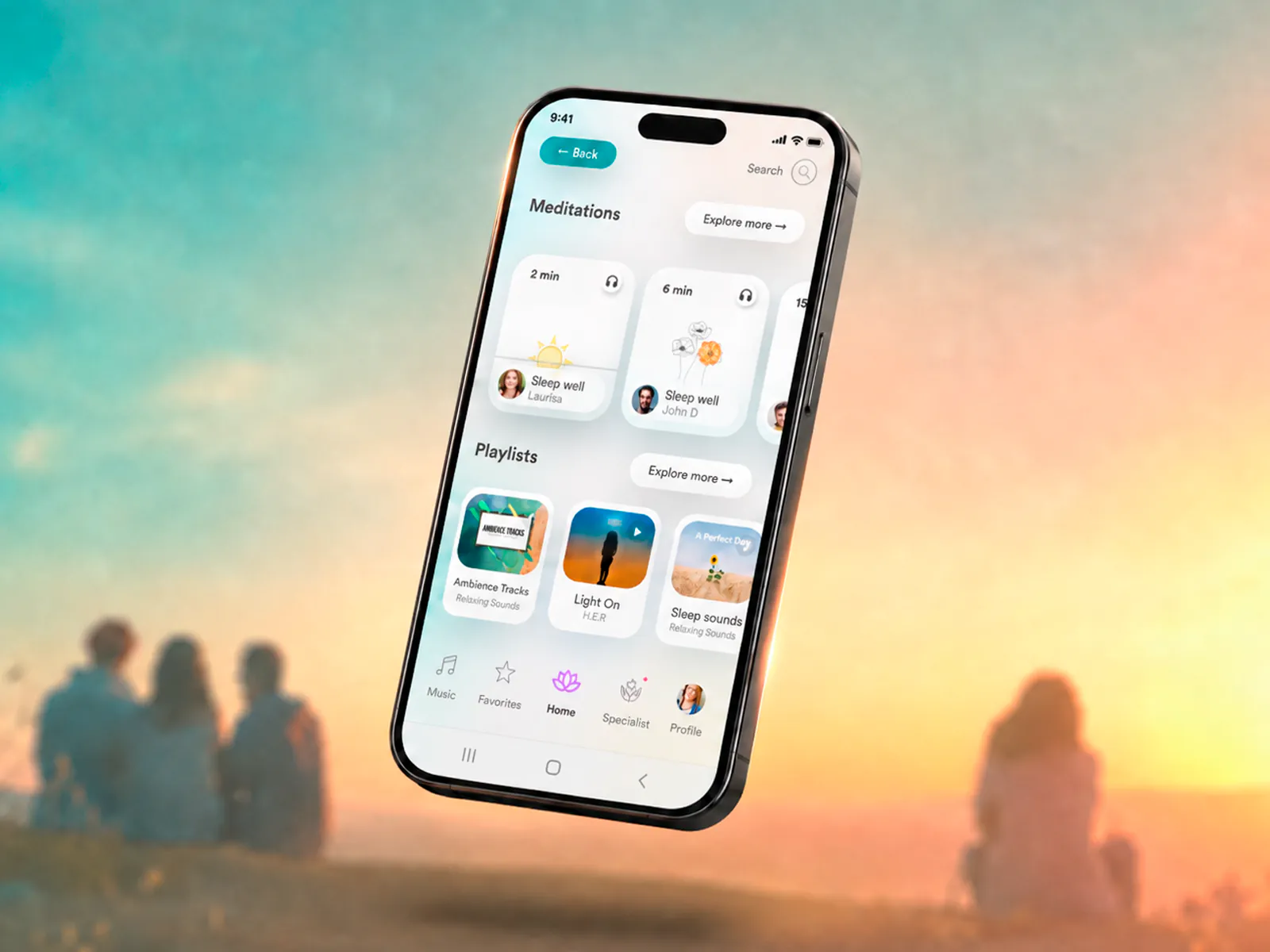
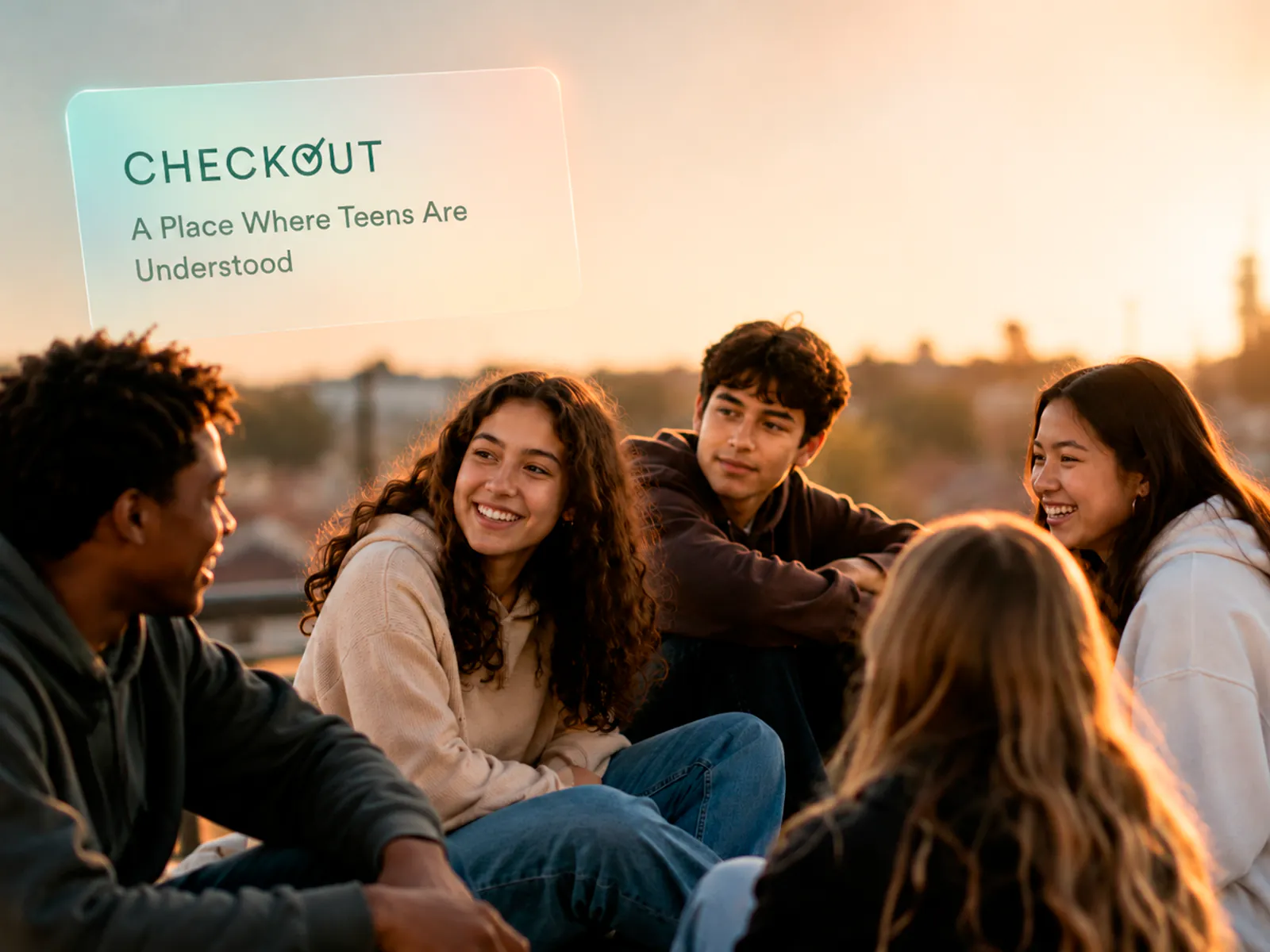
Grace Rose was born with cystic fibrosis, a life-threatening genetic disease that attacks the lungs and internal organs. As a teen coming to understand its progression, she began experiencing heightened anxiety and panic attacks, and found relief in counseling and a daily meditation practice most teens never get access to.
Checkout was her answer: a mobile app and anonymous community for teens facing anxiety, depression, and chronic illness, designed by someone who had lived it. Before founding it, Grace had already raised more than $500,000 for CF research and mental health through her Rosie G fashion brand. She came to WANDR with conviction and a name, and needed it turned into a product.
A heartfelt idea was not yet an Investable Product.
A first-time founder with a powerful story was entering a category owned by well-funded incumbents, and a cause does not raise a software round on its own.
Checkout was a vision and a name. There was no validated audience, no defined feature set, and no evidence of real demand. Conviction is not a product, and passion alone does not de-risk an investment.
Teen mental wellness sits inside the meditation and mindfulness market, already occupied by incumbents like Calm and Headspace. Checkout needed a position those players could not copy.
Grace could rally a room around a cause. Raising capital for a software product is a different language: addressable market, business model, product roadmap, and use of funds. Without it, the app would stay an idea.
Every U.S. state regulates real-money gaming differently. The experience had to flex across jurisdictions, surfacing the right legal, age, and responsible-gaming requirements without burying players in fine print or blocking legitimate signups.
MPL needed a system, not a one-off page. Without a shared design language and component library, every new segment, promotion, or market would mean rebuilding from scratch. The experience had to scale as fast as the roadmap.
Before we designed a screen, we asked the teens it was built for.
We turned the team's beliefs into seven assumptions, then validated them through six interviews (two with teens living with CF), thirty-four prior survey responses, and a benchmark of the leading meditation apps.
Every belief about teens, anonymity, and willingness to pay was written down and checked against real users rather than taken on faith.
Across interviews, the sharpest pain was not a lack of information. It was feeling unseen, which made anonymous community and a private journal core features, not extras.
Participants had tried Calm and Headspace and liked the look, but sessions ran long, few let them set a goal, and some guidance (“take a breath”) ignored bodies like theirs.
High schooler in LA, diagnosed with CF at twelve. Anxiety arrives without warning, and she is not a fan of closing her eyes for long.

Early-career, stressed for time, mood shifting day to day. Dislikes the word “meditation” and wants to move through anxiety fast.
Not another meditation app built for adults. Checkout's authenticity, from its founder to its content, was the position no competitor could copy.
Teens pick a goal based on their mood and get sessions chosen for that moment, instead of an open-ended library to navigate alone.
A supportive space to share thoughts without exposure, answering the isolation the interviews kept surfacing.
The strongest parts of Checkout, anonymous sharing, a password-locked journal, a daily goal that made teens feel empowered, were not designed for users. They were named by them, unprompted, in interviews.
Founder-market fit was the moat: a product built by a teen with CF, for teens like her, could say things Calm and Headspace could not. Our job was to hear it clearly and give it a shape investors could back.


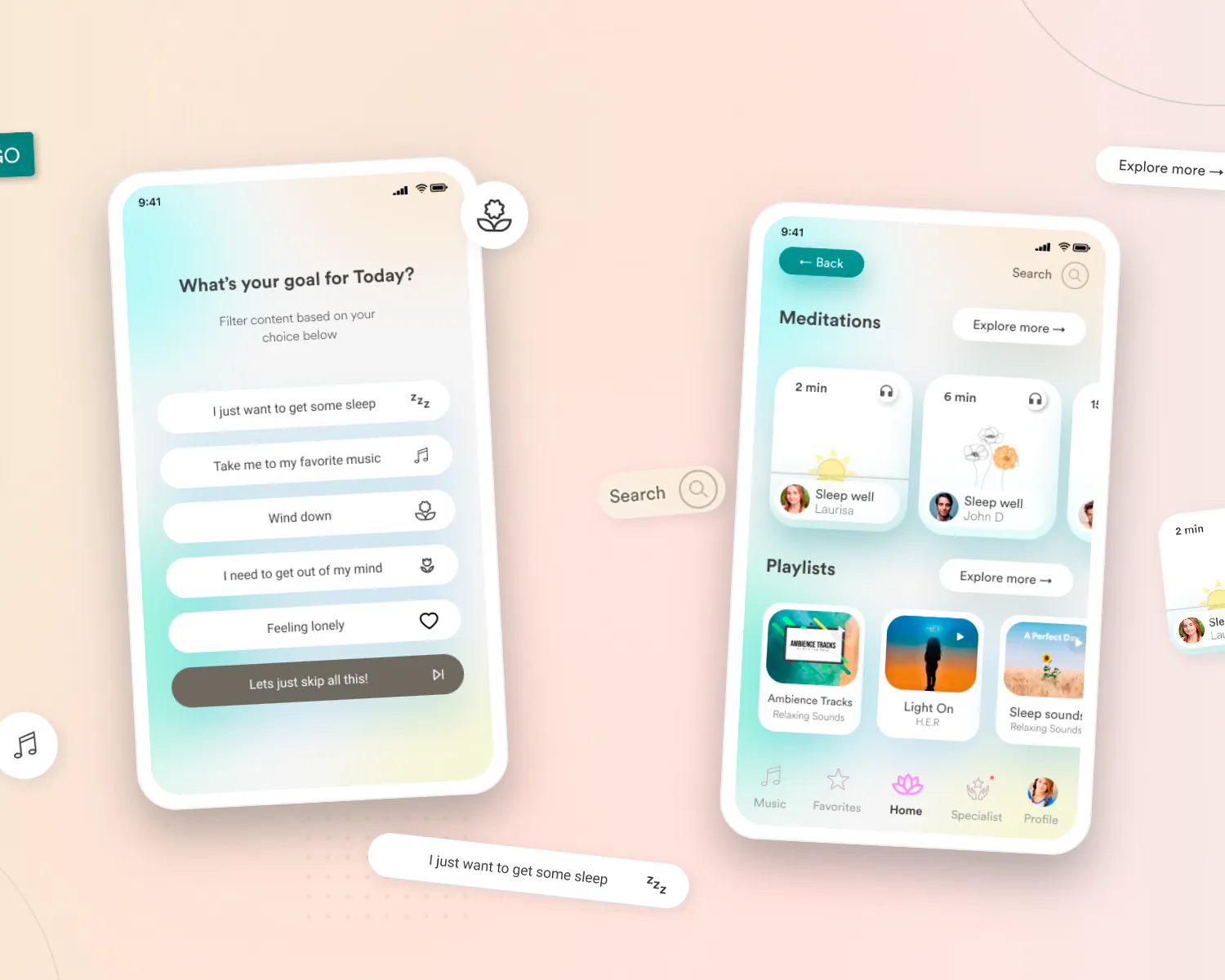
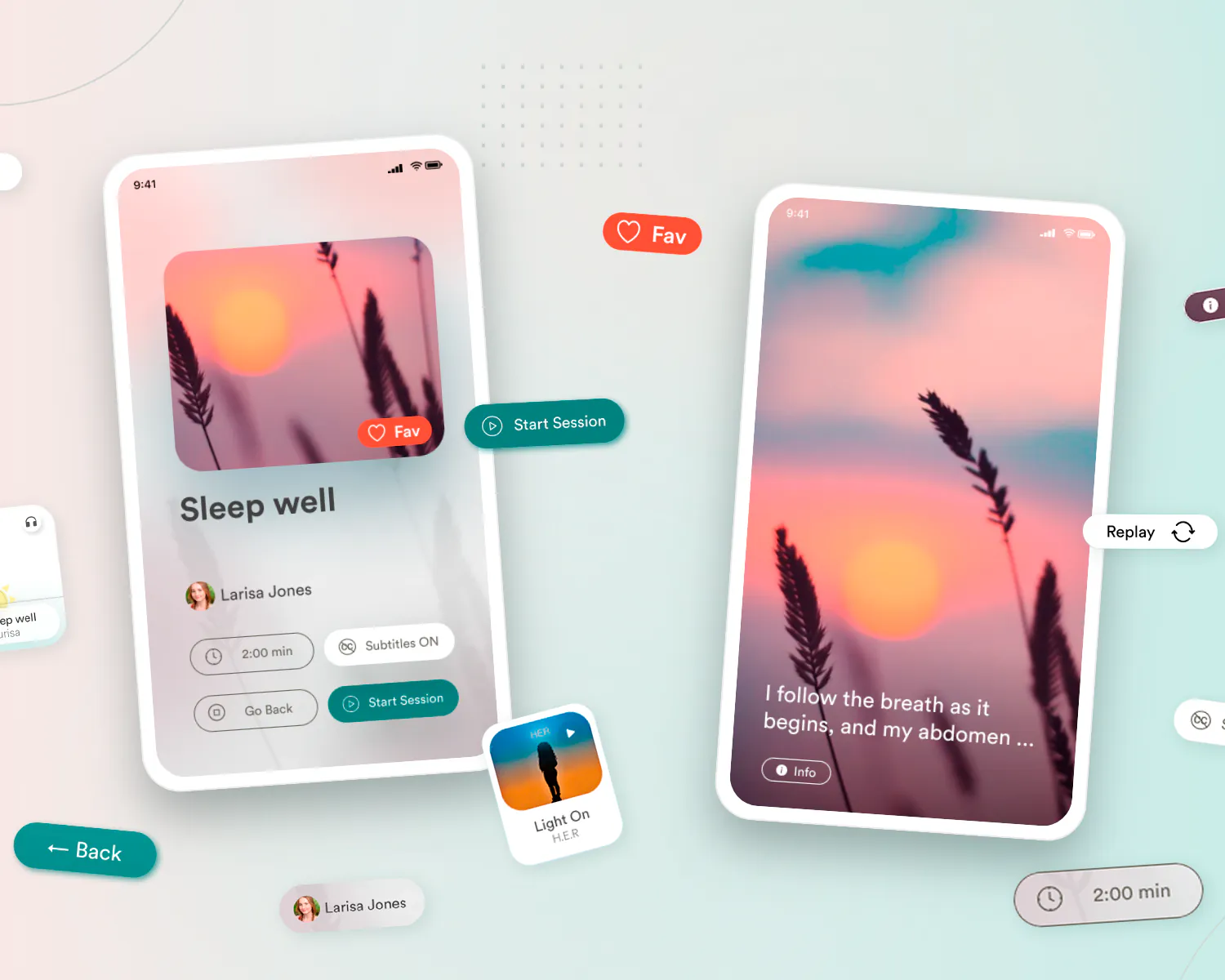


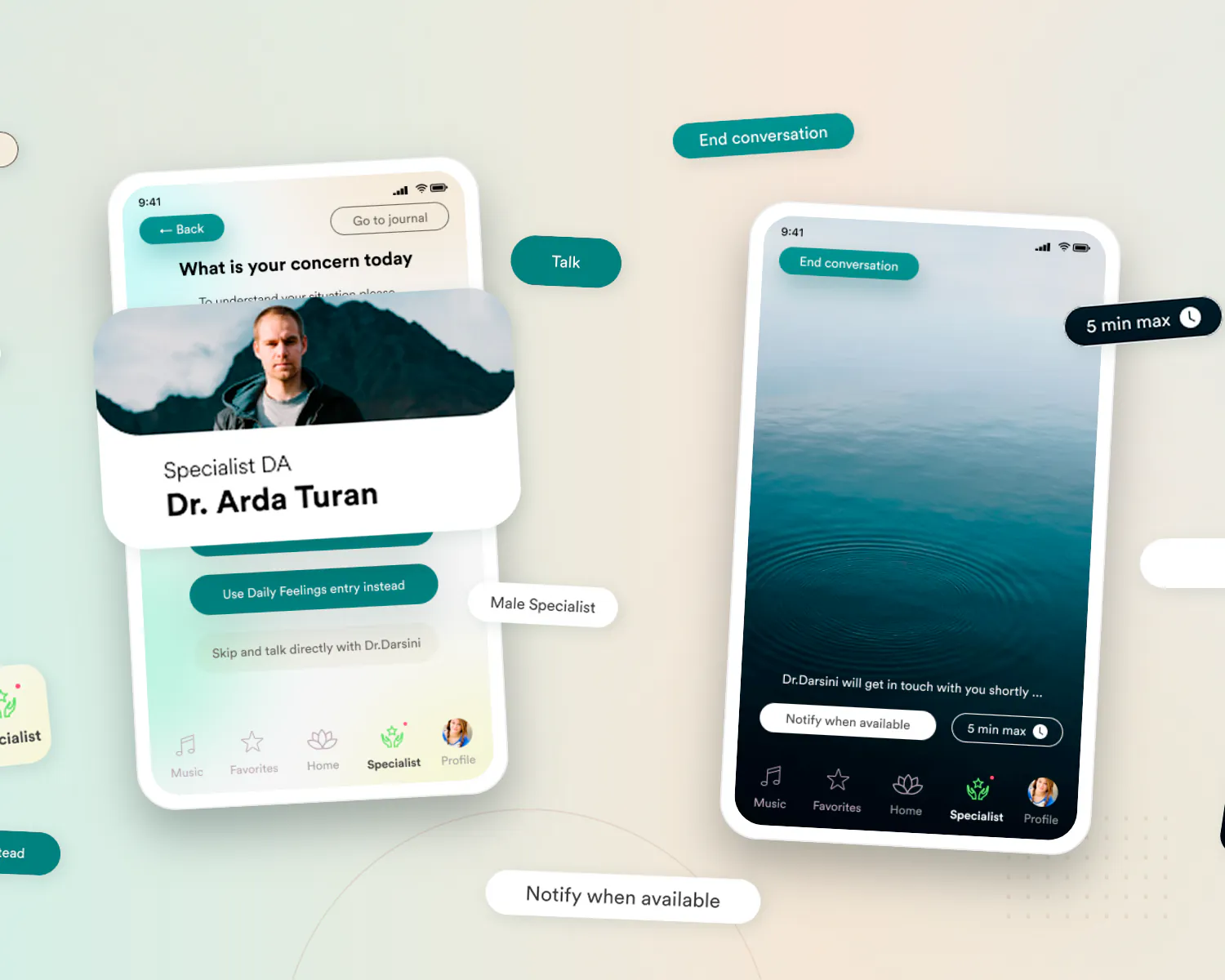
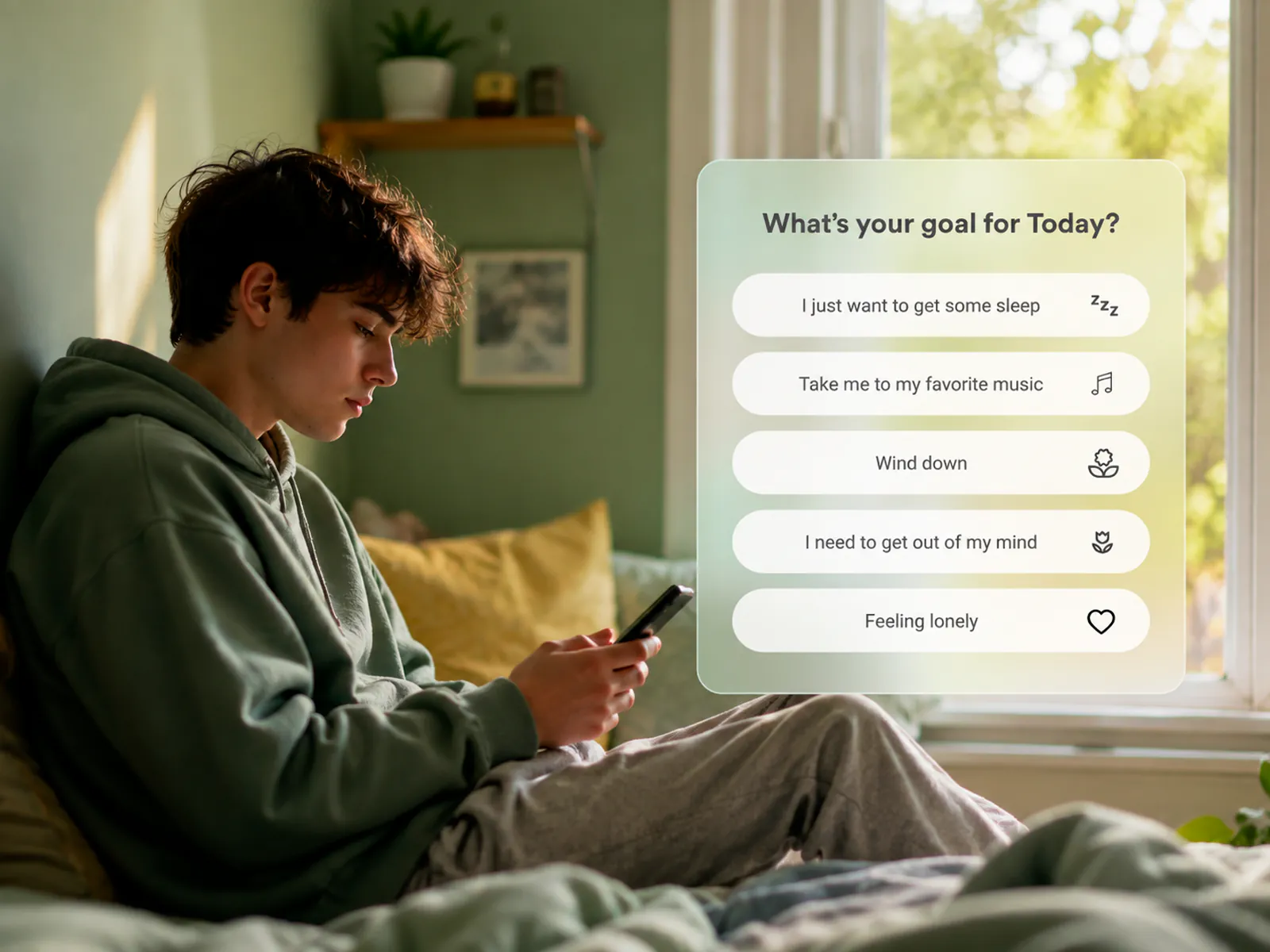
In under five weeks, Checkout went from a name to a validated, tested, fundable product.
I came to WANDR with a cause and a name, and left with a real product I could put in front of investors. They understood what teens like me actually go through, and it showed in every screen.