

Persona 01

The Casual Gamer
"I play in idle moments. If it takes more than 30 seconds to start, I'm out."
Idle play
Low commitment
Mobile-first
Scaling design for a cybersecurity leader
through its
Across two engagements spanning Tenable's pre and post-IPO growth, WANDR embedded inside their product design organization to build the global design system that unified a fast-scaling security platform.
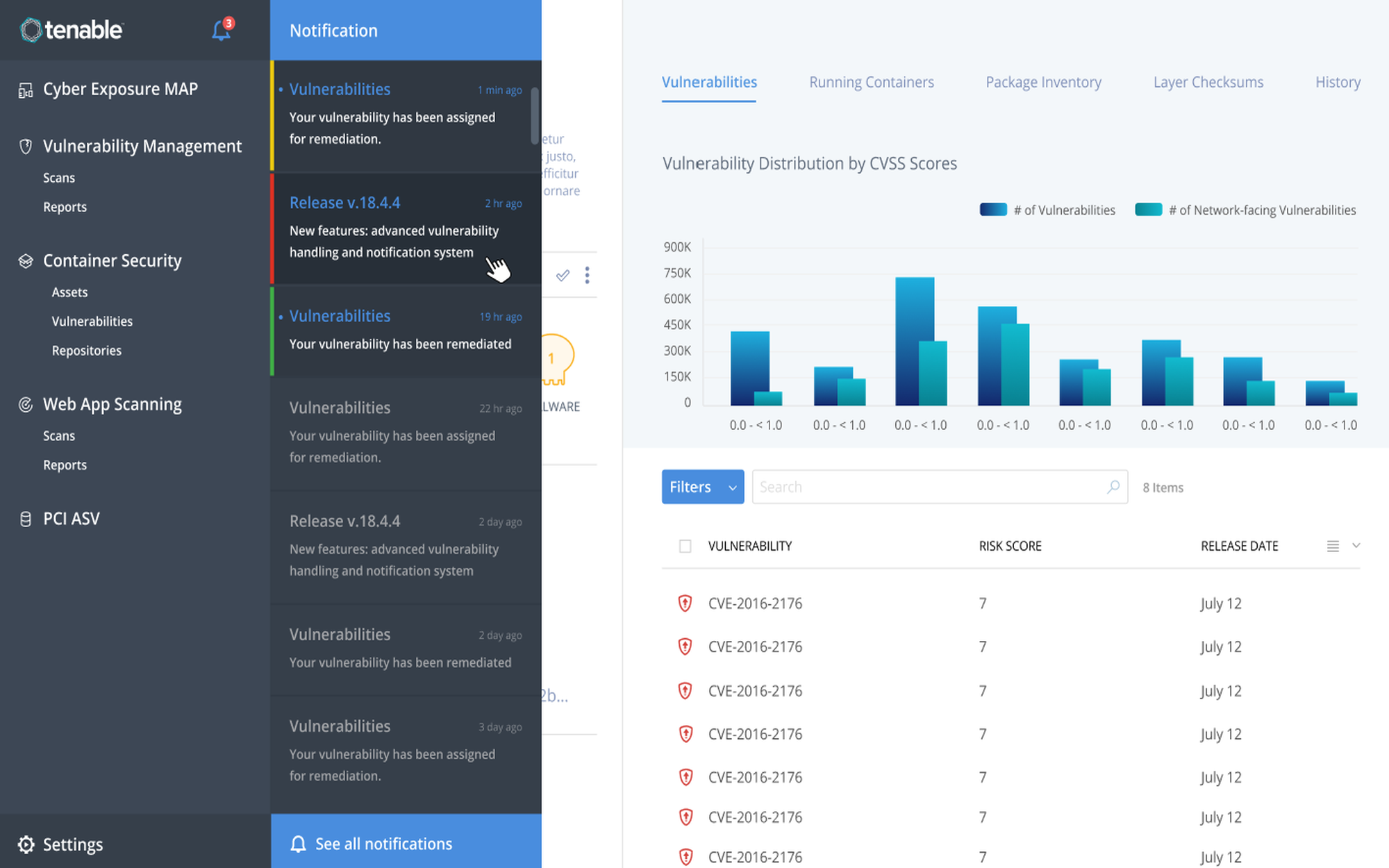

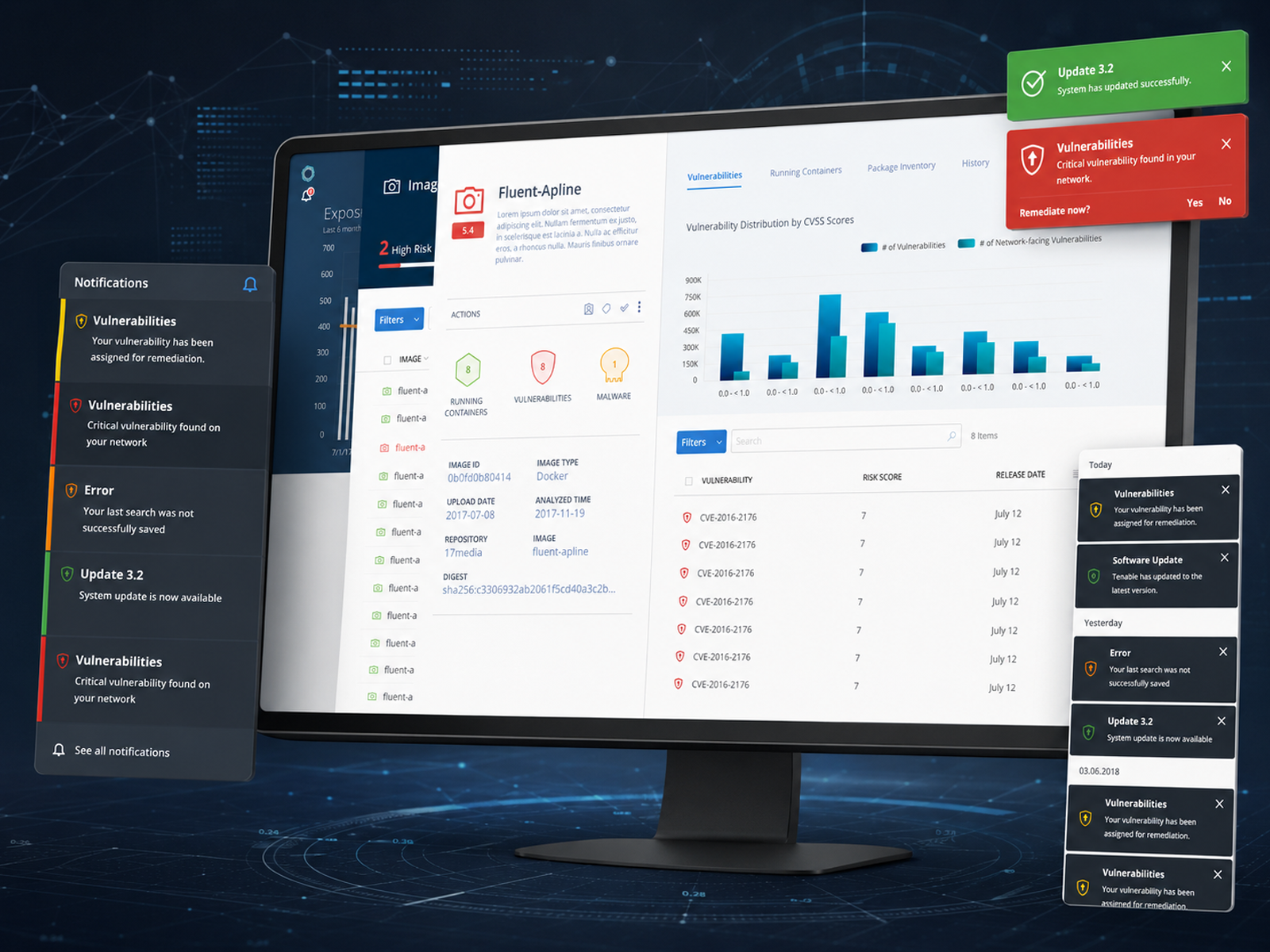
Tenable is the cybersecurity company behind Nessus, one of the most widely deployed vulnerability assessment technologies in the world. Building on that foundation, Tenable created Tenable.io, a platform that lets organizations see and secure any digital asset across any computing environment, and went on to help define the category now known as exposure management.
By the time WANDR came on, more than 27,000 organizations relied on Tenable to understand and reduce cyber risk, including over half of the Fortune 500, more than a quarter of the Global 2000, and large government agencies. The company employed roughly 2,000 people and was scaling quickly toward a public offering. Its product portfolio was expanding just as fast, spanning Nessus, Tenable.io, Tenable.sc, and the analytics platform that would launch as Lumin.
Growth was outpacing
design consistency.
Tenable had the market position and the engineering firepower. What a fast-growing security platform needed next was a design foundation that could keep every product feeling like one product. Three problems surfaced.
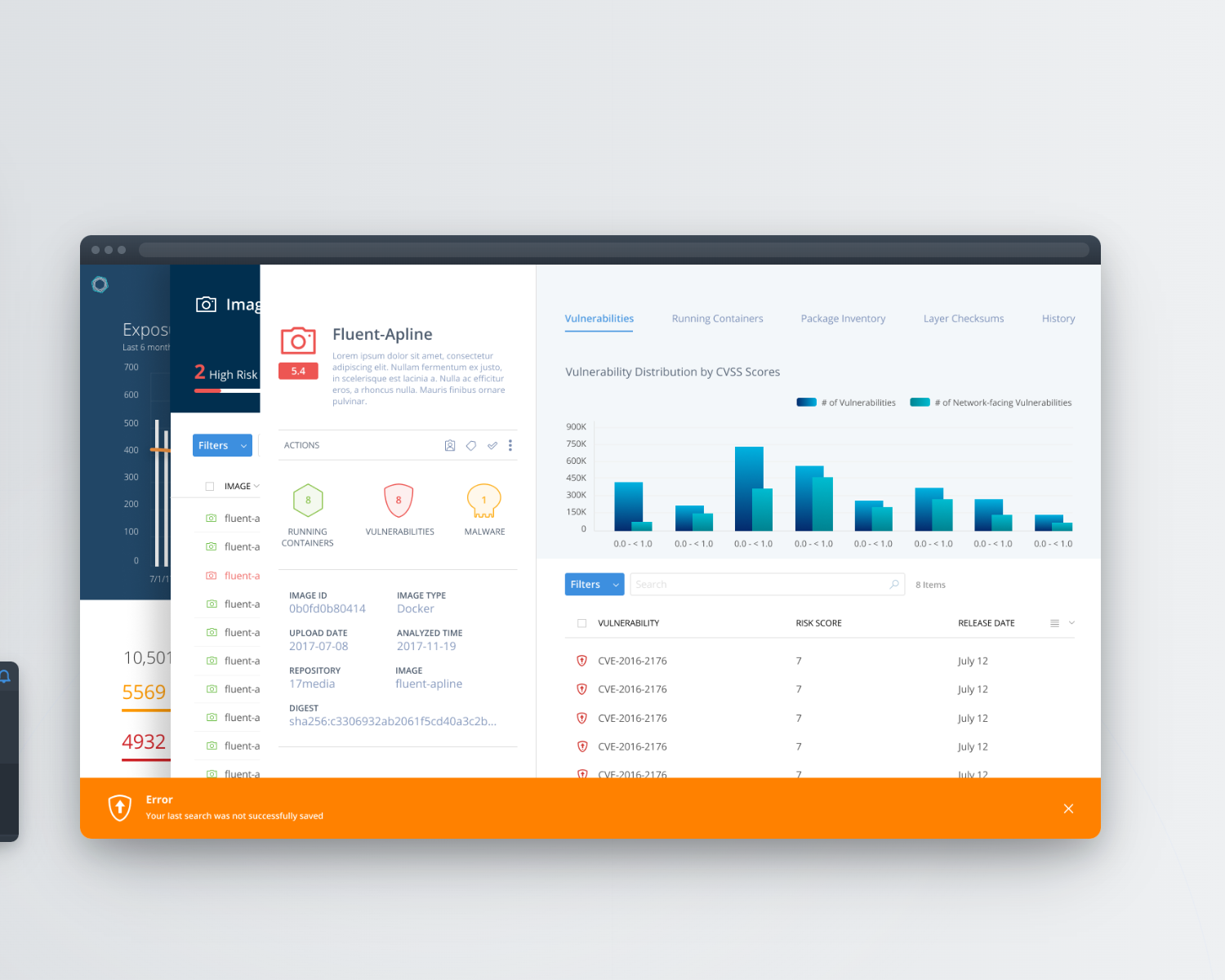
Tenable's portfolio had grown quickly across multiple products and teams. The same interface problems had been solved many times over in different ways, leaving inconsistent patterns and components that engineers frequently rebuilt from scratch. There was no shared source of truth to build against.
Vulnerability management surfaces enormous volumes of information: assets, vulnerabilities, scans, and findings, all at once. The interface had to make that density scannable and actionable for security analysts who work inside it all day, without overwhelming them.
Tenable was preparing to go public and to sell deeper into the enterprise. The product needed the polish, consistency, and trust signals that skeptical security buyers and Fortune 500 stakeholders expect before they commit.Even with more than a dozen designers in-house, the team needed dedicated senior capacity and, more importantly, a system to scale against.
Every U.S. state regulates real-money gaming differently. The experience had to flex across jurisdictions, surfacing the right legal, age, and responsible-gaming requirements without burying players in fine print or blocking legitimate signups.
MPL needed a system, not a one-off page. Without a shared design language and component library, every new segment, promotion, or market would mean rebuilding from scratch. The experience had to scale as fast as the roadmap.
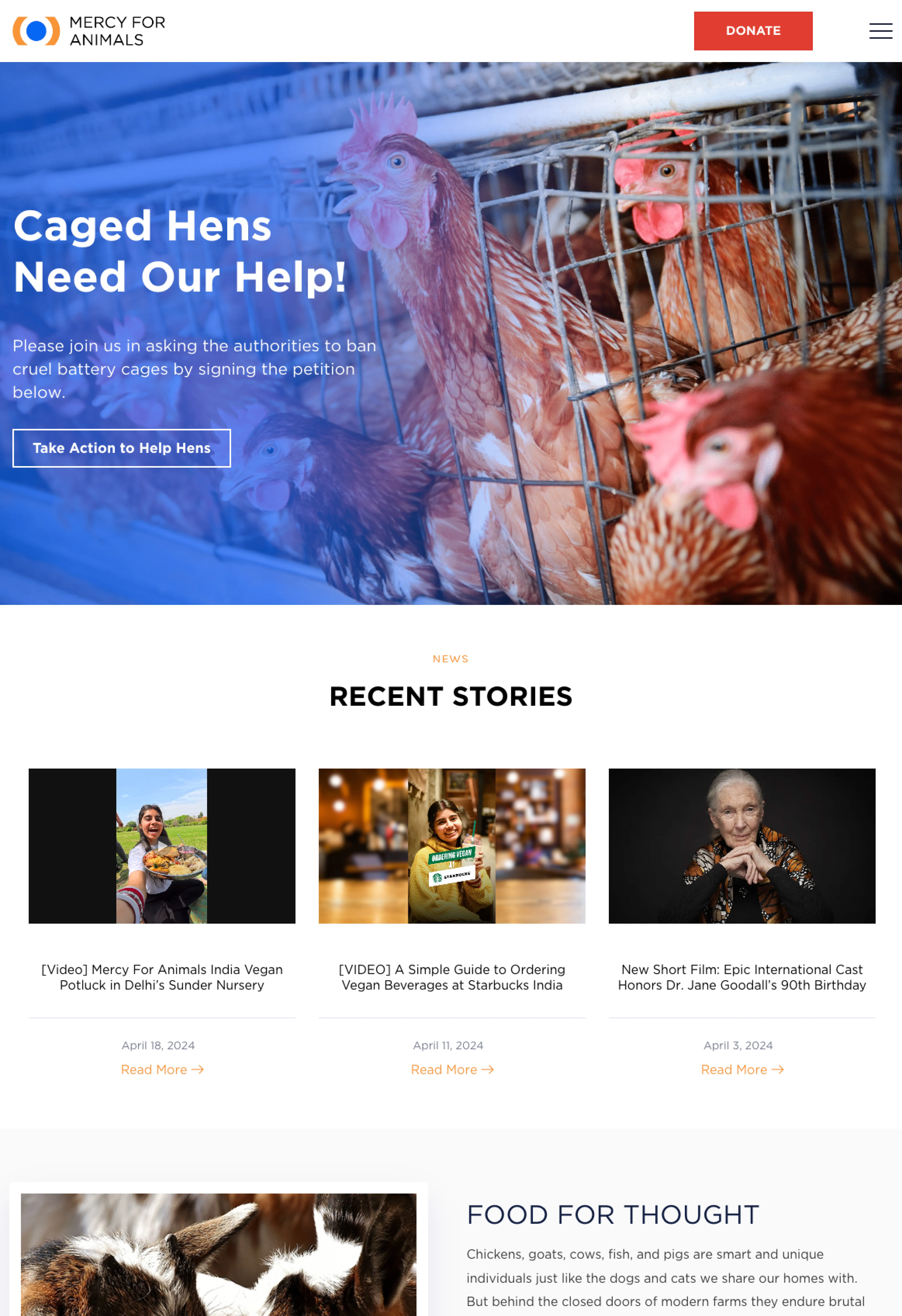
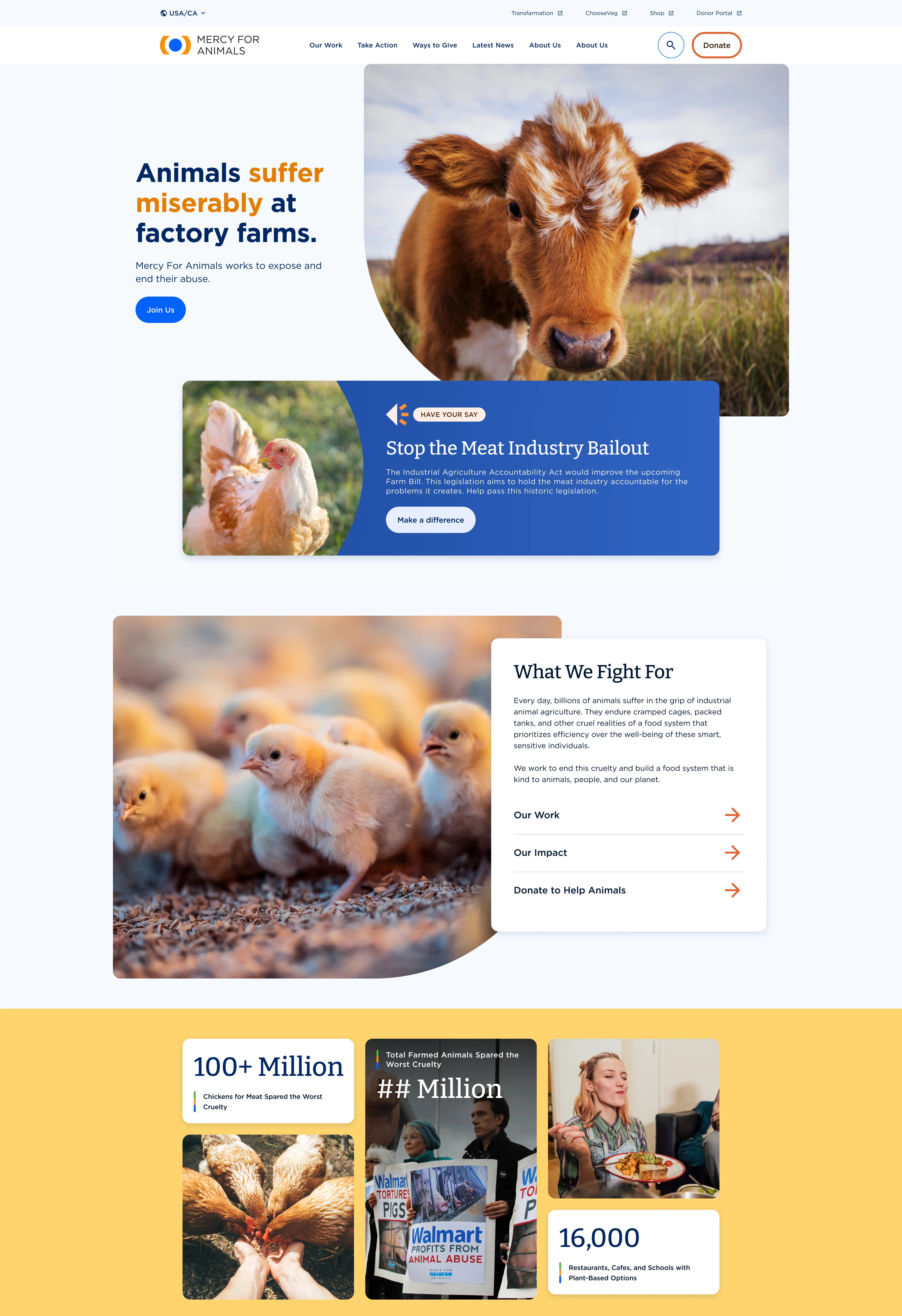
Drag the handle to see how the experience changed, from a generic gaming site into an institution-grade platform built to earn trust with skeptical U.S. players.


We spent the first phase of the engagement doing three things in parallel — user research, competitive benchmarking, and an audit of the current site.
Casual gamer, committed player, office-context player. Each with different trust thresholds and conversion triggers.
Across gaming, real-money gaming, casual entertainment, and bingo. We looked at how they earned trust — not what they said.
Where it was costing conversion, and which assumptions about players the data didn't support.
"I play in idle moments. If it takes more than 30 seconds to start, I'm out."

"This is a regular habit. I need to know my money is safe and the games are fair."
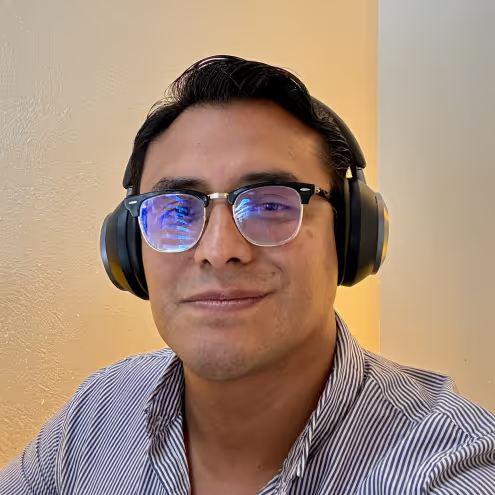
"I play with colleagues. Social proof and community matter as much as the games."

"I play with colleagues. Social proof and community matter as much as the games."
"I play with colleagues. Social proof and community matter as much as the games."
"I play with colleagues. Social proof and community matter as much as the games."
The old site led with breadth. The new site leads with credibility signals — licensing, security, fairness — the barrier to first install in the U.S. market.
Casual, cash-game, and bingo players don't share a funnel. We built differentiated entry paths so each audience sees what matches their motivation.
Bingo has its own demographic, competitive landscape, and purchase behavior. It gets its own landing page strategy — not a shared one.
Tenable's users are not casual visitors. They are analysts making high-stakes decisions across thousands of assets, often under time pressure. For them, consistency is not cosmetic. It is how they move quickly and trust what they are seeing. That reframed the work. Building the system was less about assembling a component library and more about giving a fast-scaling organization a reliable foundation it could keep building on through the most important growth phase in its history.
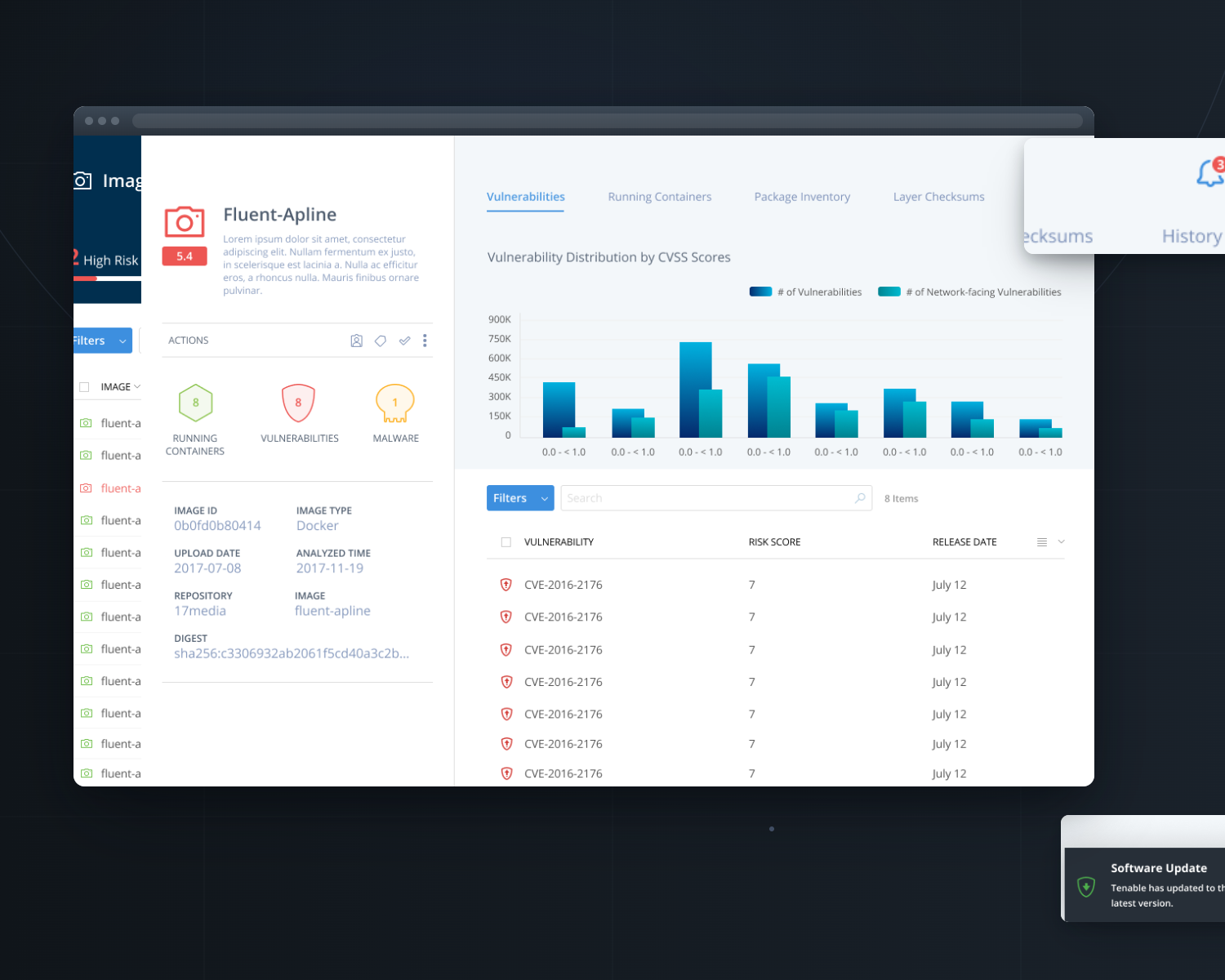
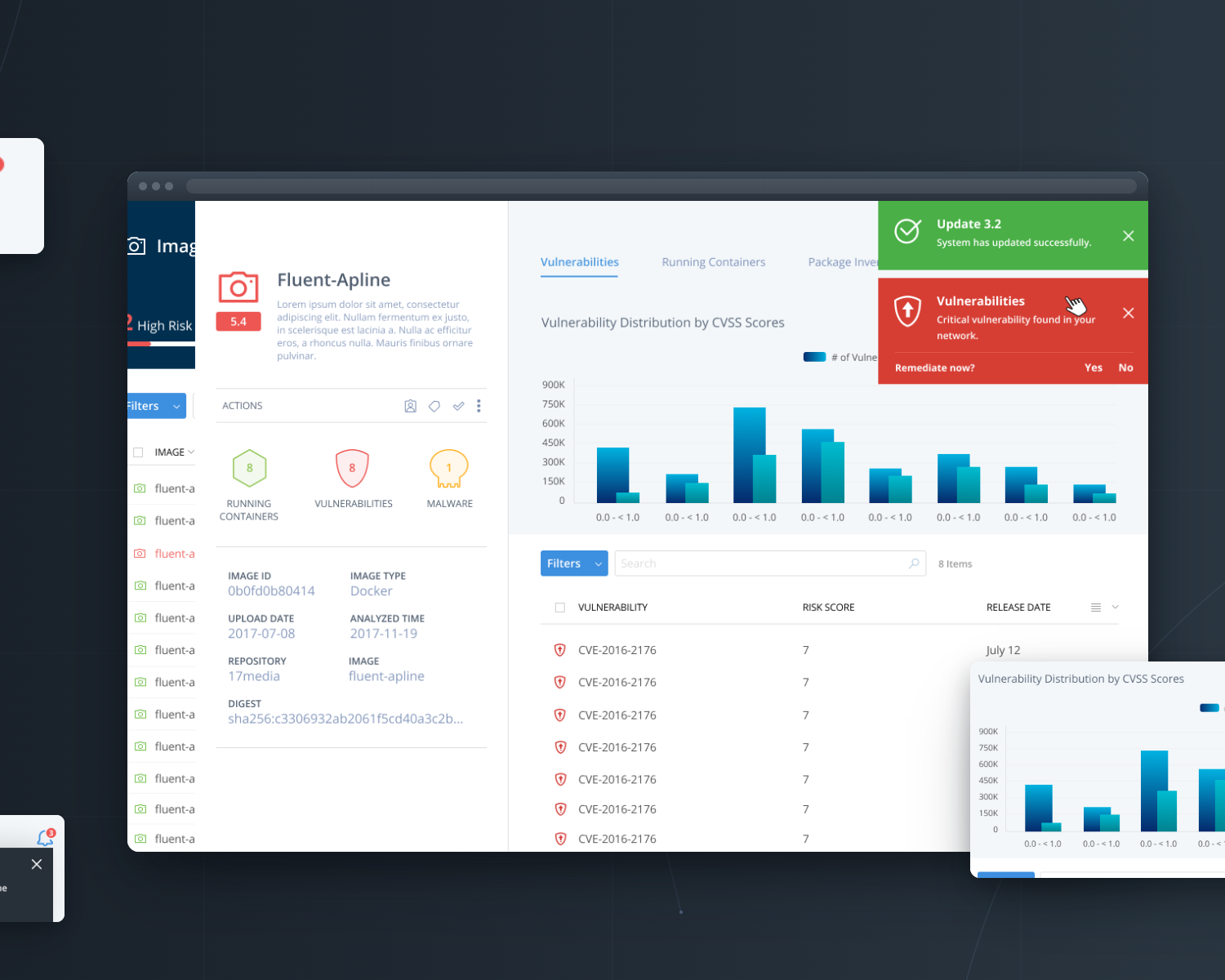
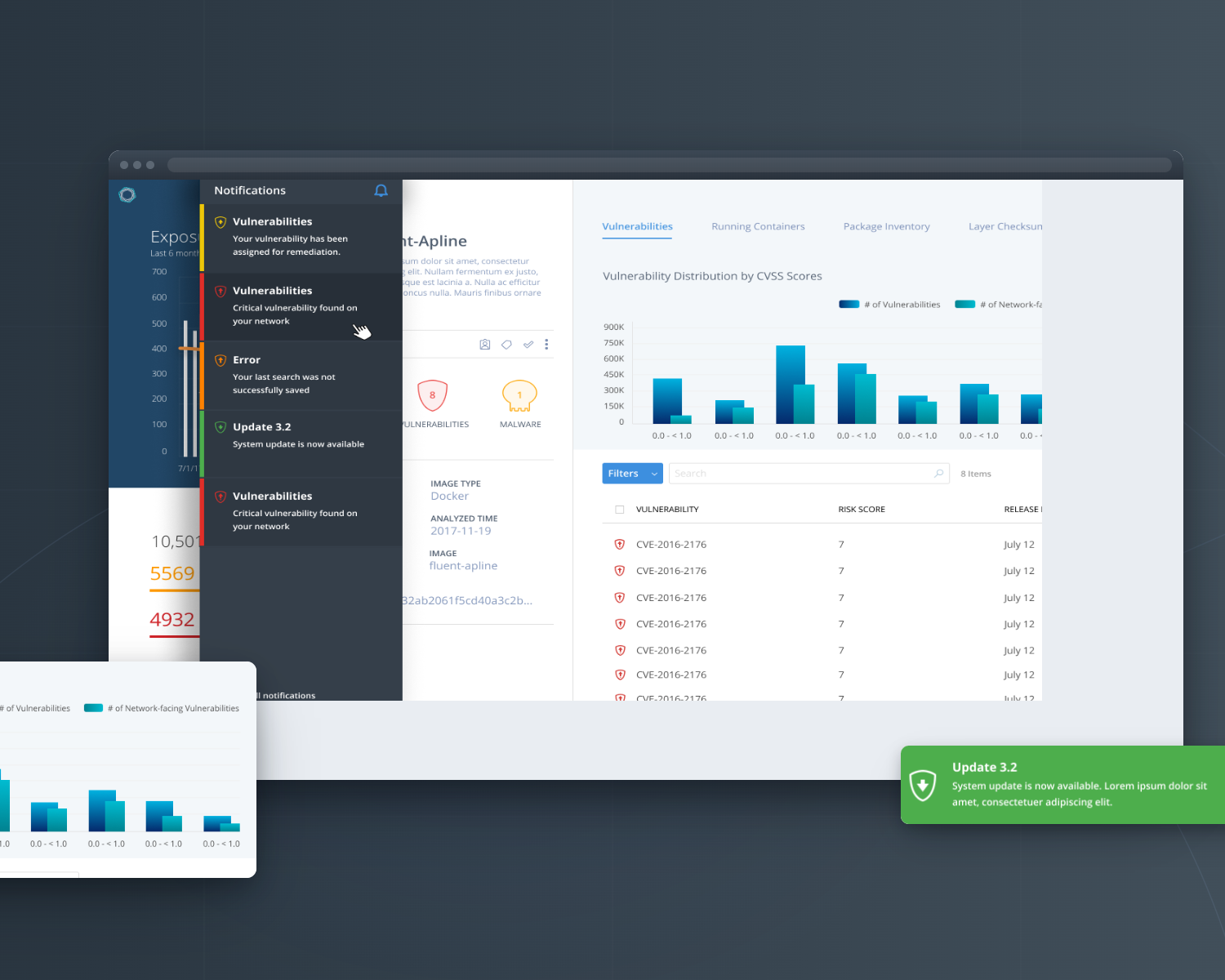
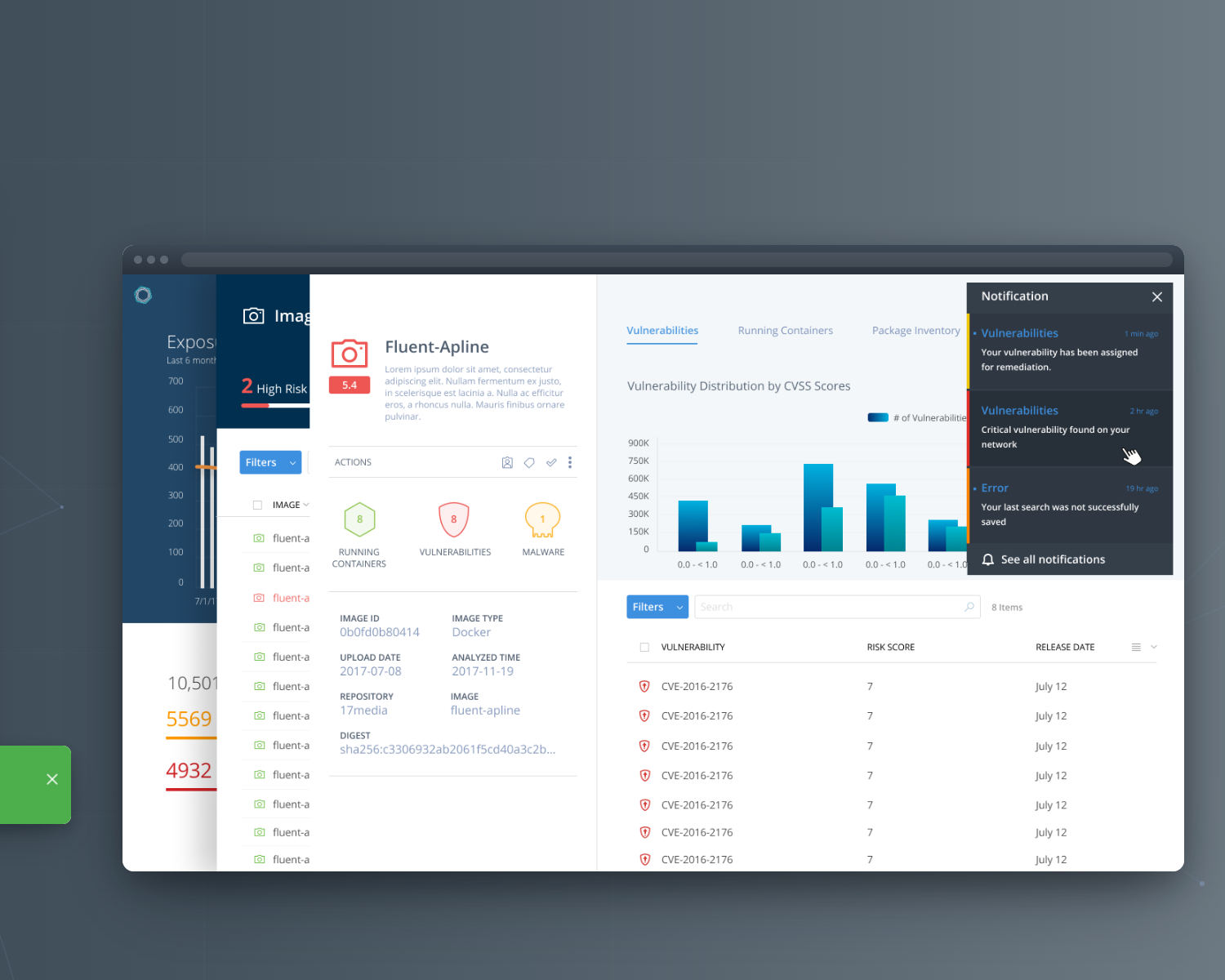
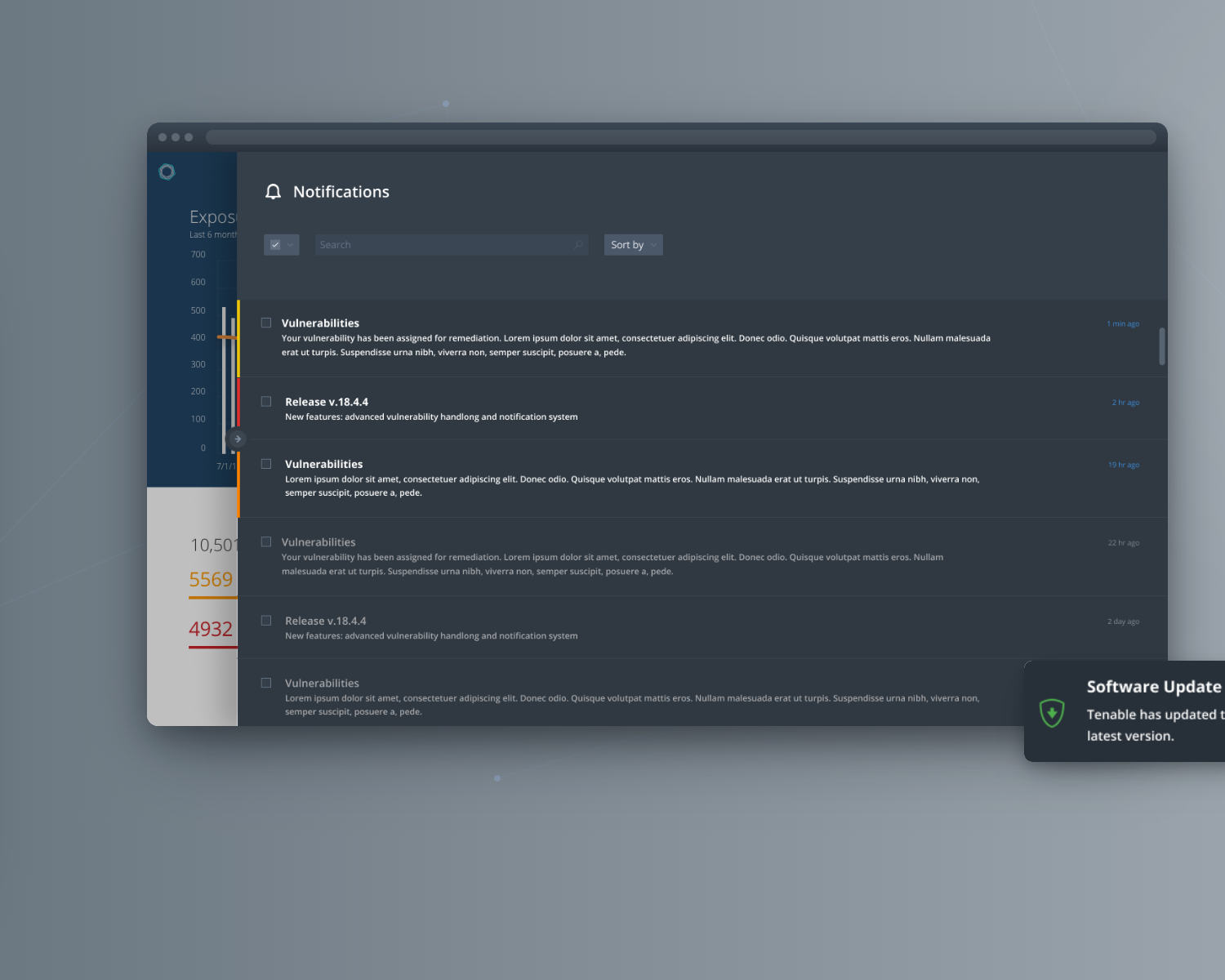
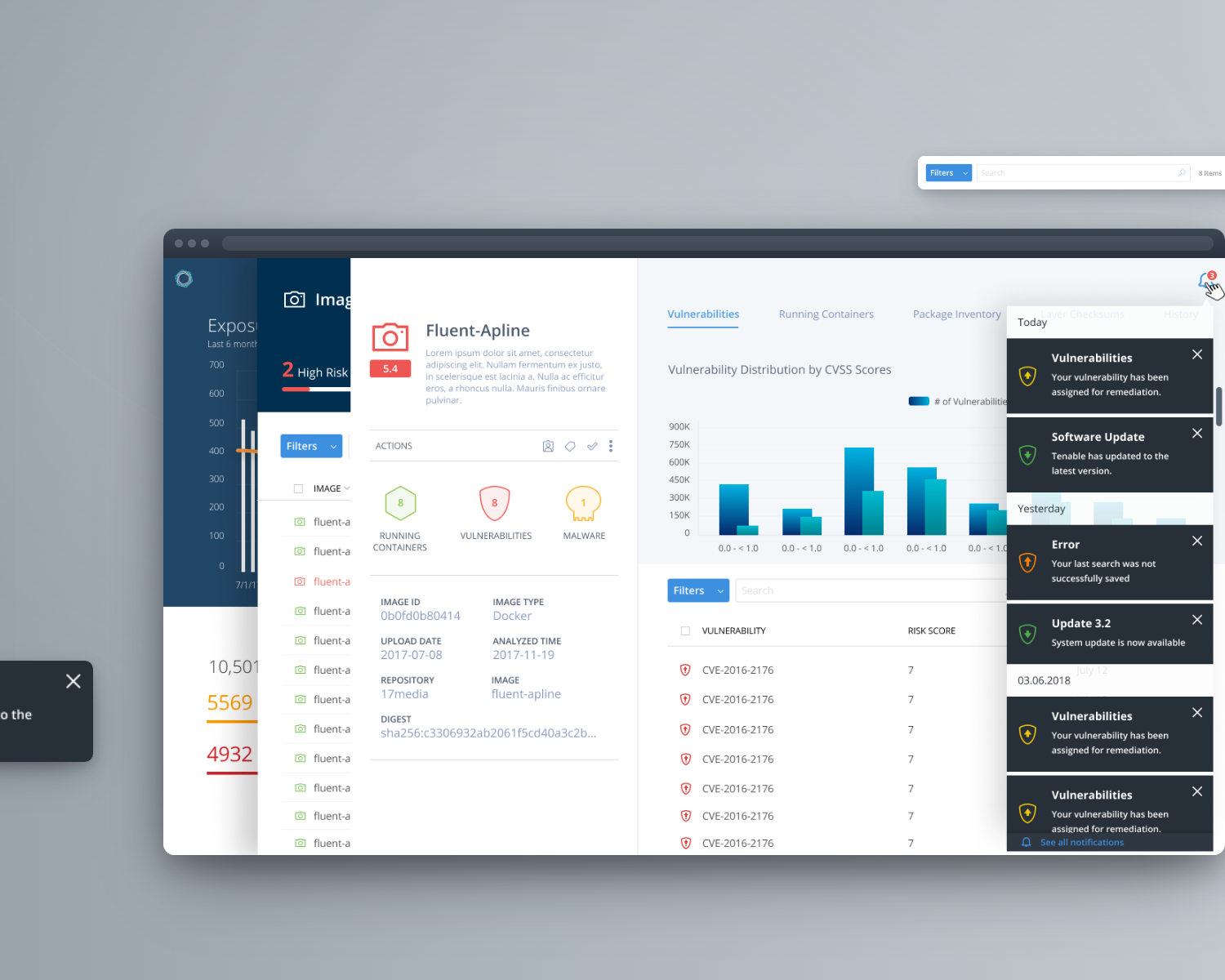
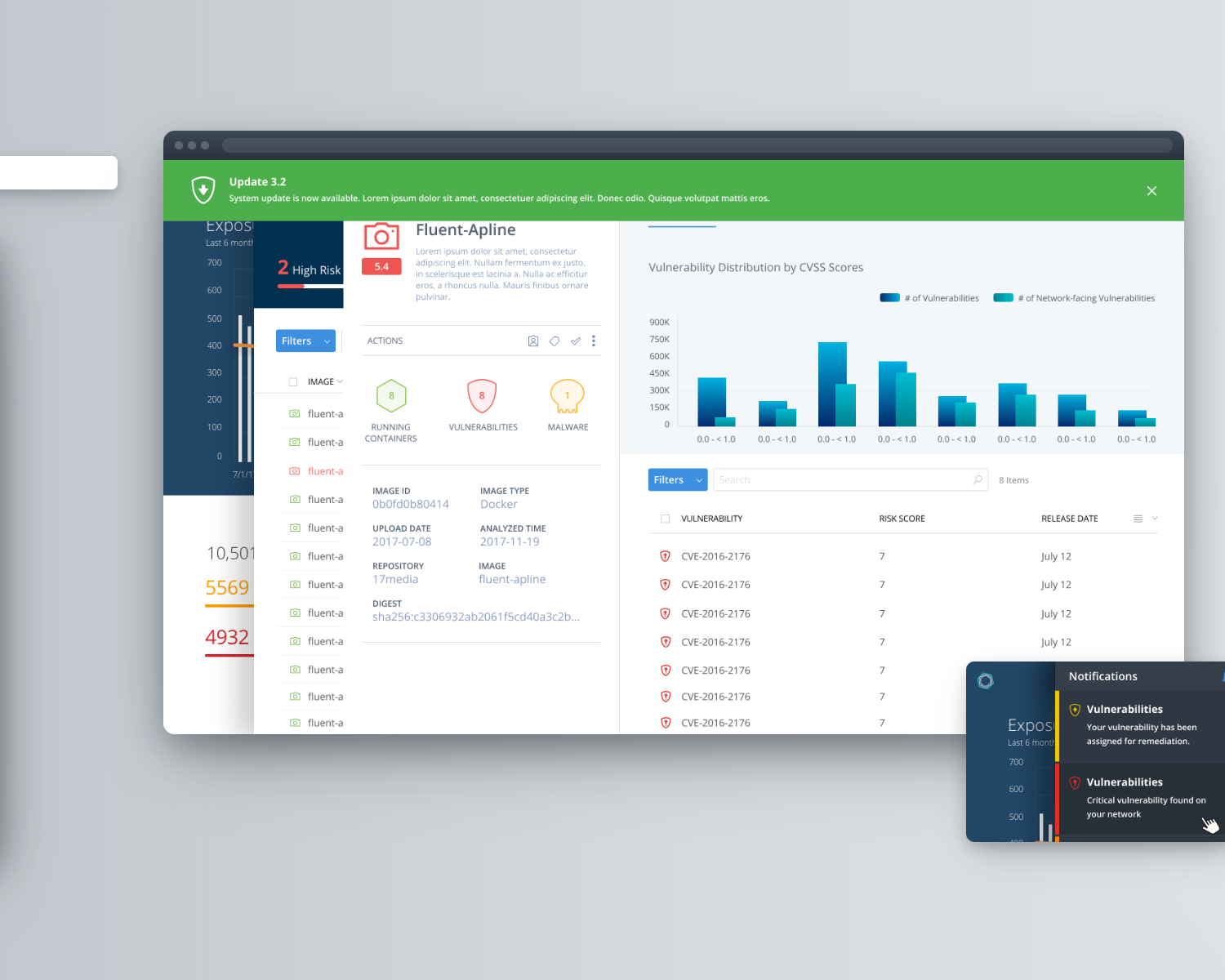
The engagement closed with a complete handoff package: page designs across 20+ unique templates, research documentation, a trust architecture framework, a design system, and an implementation plan ordered by impact.
Figures from qualitative user testing conducted during the engagement. In-market performance validation sits with MPL's internal team post-handoff.
WANDR has been our design partner through our most critical growth phase, including our public offering. They understand what enterprise product teams need to see.